Advertisement
WHO raises alarm over travel-related hybrid mpox strain
Sunday 15th February, 2026 09:09 AM|

The World Health Organisation (WHO) has confirmed the detection of a hybrid strain of an advanced form of mpox virus, which has been linked to international travel.
In a statement on Saturday, February 14, 2026, the United Nations (UN) agency confirmed that two cases have been detected in India and the United Kingdom.
“The first case was detected in the United Kingdom of Great Britain and Northern Ireland (hereafter “United Kingdom”), with travel history to a country in South-East Asia, and the second in India, with travel history to a country in the Arabian Peninsula,” WHO stated.
“Detailed analysis of the virus genomes shows that the two individuals fell ill several weeks apart with the same recombinant strain, suggesting that there may be further cases than are currently reported.”
You Might Also Like



The new strain of the virus emerged as a result of recombinations, which is a natural process that occurs when two related viruses infect an individual and exchange genetic material, resulting in a new virus variant.
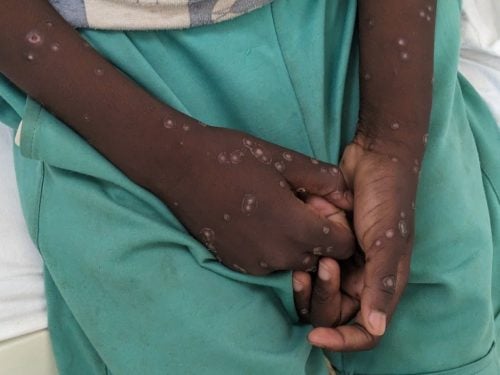
The new virus is not a newly named pathogen but a recombinant strain of the existing mpox virus (MPXV) that emerged following the combination of clade Ib and clade IIb.
However, the agency noted that both individuals presented symptoms similar to those seen in other known clades of mpox and did not experience severe illness.
“Contact tracing for both cases in the reporting countries has been completed; no secondary cases were detected. Based on available information, the overall WHO public health risk assessment for mpox remains unchanged,” WHO stated.
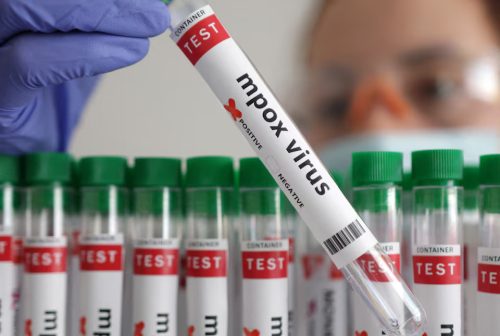
Mpox is an illness caused by the monkeypox virus, previously known as monkeypox, and is classified in the same family as smallpox. The disease is transmitted through close contact with infected individuals, animals, or contaminated materials.
Patients infected with the virus exhibit symptoms such as skin rash or mucosal lesions, fever, headache, generalised aches, and swollen lymph nodes.
The announcement followed two weeks after authorities in India confirmed an outbreak of the Nipah virus, prompting global health organisations to increase monitoring of the disease.
On Saturday, January 31, 2026, WHO Director-General Tedros Adhanom Ghebreyesus reported that two cases had been identified in the West Bengal state of India.

According to the WHO, the Nipah virus is a zoonotic disease, primarily spread to humans through contact with infected animals.
The UN agency emphasised that there is currently no approved vaccine or specific treatment for the Nipah virus, making prevention largely dependent on public awareness of risk factors.
Author
Latest News








Advertisement
More on News