Advertisement
What makes music collaboration a good deal?
Friday 11th February, 2022 12:00 AM|

Collaborating is a symbiotic creative experience where artistes feed off each other’s energy, as they chase the best outcome from the sharing of their skills. And the success of it relies heavily on their ability to be in sync, to bring the best game to the table, writes Mukanzi Musanga
What does it take to create successful musical collaboration? In music, creative relationships have to be nurtured in order to achieve fruitful joint efforts.
A coming together of musicians to create is a harmonising of experiences, skills and ideas that should amount to something. Before seeking a collaboration, artistes have to establish creative relationships first.
“Successful collaborations happen when people gel and feel each other. Not like a lot of collaborations you see these days where one artiste wants a feature because the other seems to be a hit.
Maybe their music doesn’t match. You’ve seen all the bad collaborations where artistes don’t fit,” says creative entrepreneur Buddha Blaze.
Buddha’s rich knowledge and understanding of the music economy ranks him as one of Africa’s greatest contributors to the growth of the industry, especially in hip-hop.
He works with artistes as a talent shaper as well. He says a musician should only make music with someone whose message and vibe aligns with theirs.
“Are you guys in the same vibe and believe in the same things and want to pass the same message to the world? If you are into dancing then do a dance style.
I was there when Nigeria’s Davido and Tanzania’s Diamond Platnumz collaborated in Number One. That collaboration worked out because they were both into dancing and showing off dance styles from their respective countries.
But some people just collaborate for the sake of it. Or you find that one person has paid for a collaboration and the other just pocketed the money; then the ‘bigger’ artiste doesn’t even push the song because they have not invested in it,” he says disapprovingly.
Paid collaborations
Blaze discourages artistes from purely buying features, where more often some musicians go on a collaboration-paying spree that only denies them respect in the eyes of other artistes.
For collaborations, artistes have to meet, be around and understand each other and know their message.
When Blaze brought Burna Boy into the country in 2018, the Nigerian musician was keen on meeting Kenyan boy band Sauti Sol, because he liked their music.
“They like each other. Before they got into the studio, they hanged out together and talked about messages they wanted to pass to the world, but it took a while for them to actually collaborate,” he tells Spice.
He also references the successful collaboration between American rapper Nas and music producer Hit Boy. They took about five years before hitting the studio.
The outcome was the creation of Composure, which bagged a Grammy award for Nas. However, he says some artistes can meet and create a jam right away.
He is not averse to remote musical collaborations either, because sometimes artistes may have never met, but because they like each other, they can create a great hit. In this pandemic, a lot of artistes embraced the creation of music without being in the same room. He says it’s “one of those things where you have to use your gut”.
Musicians Atemi Oyungu and Trabolee agree that authentic connections make grounds for phenomenal music collaborations. In her part, Atemi intimates that if you accept to feature in a song, she brings a top game to it.
“It’s always better to have a more authentic and gelling collaboration with somebody who wants to do it with you even if they didn’t necessarily look for you.
When I say yes, I give it my best,” says the Bebi Bebi hitmaker, adding that she pays special attention to music style when seeking for a collaboration.
“If I’m singing in a certain style, I want to get somebody who is stronger in it. When I started singing Afro-fusion, people credited that music to me, but with one of my Afro-pop collaborations named Usijali, I heard a specific voice in my head.
That voice was Delvin of Sauti Sol. That’s because a lot of the music they made connected with what I wanted in my song,” she says.
Suiting the artistry
Secondly, the singer looks for somebody who will say yes and a lot of times, she tends to hear their voice in her head and pursues them.
Atemi has never been in a collaboration that didn’t suit her artistry. She says that would be impossible because her artistry is up to her. She credits herself as adjustable and when she decides to collaborate, she does it wholly.
Atemi has heard people bemoan what they felt was lacklustre performances from musicians they banded with and strongly feels that one shouldn’t sign up if they aren’t invested in it.
Usijali featuring Delvin, is one of her greatest jams and she enjoys performing it because it branches into the music genre she loves.
Umenibamba with Eric Wainaina also nuzzles in her heart as a sterling duet. “A lot of people actually don’t know that this song was supposed to be on Eric’s album featuring me, but it ended up on my record.
We’ve performed that song several times and it’s one of my favourites. It’s not to say others are not great, but it’s about the experience I have attached to the collaboration,” she states, adding that musicians should be open to new things, learn to adjust and adapt. But most importantly, collaborating is about working with a creative willing to stun as well.
Trabolee chimes in with the sentiment that authentic chemistry is crucial to a music partnership. “You need to have some form of friendship. You have to know each other in a way.
Sometimes, if a song is on the wavelength that I’m on, then I will collaborate with someone. If the person collaborating with me has a clear goal, I can facilitate it with something that is fitting to me,” says the Unkut Hennessy Hiphop Awards 2021 nominee, adding that chemistry and authentic relations dictate the end results.
The rapper has worked with producer Akili Blaq on a lot of successful tracks. They dropped a music project called Sadfa in the midst of the pandemic lockdown and he says the collaboration, which was shot by Monsoons Creative, was a phenomenal hit for him.
“It was a project between an artiste, video director and producer, and to me, that was an amazing collaboration. Everyone came in with something,” he says.
Up-and-coming artistes might want to collaborate with a bigger artiste, perhaps to ride on their fame even when they don’t add value to their work.
Trabolee says this is a bad case of clout chasing, instead of purpose. He adds that clout chasing is only beneficial if an individual has substance.
“A famous artiste can jump on your wave, but their fame won’t sustain the song. You could do a hit and then you are forgotten after that.
The best way is just to do what rings true to you,” he chimes. Silayio, a former Voice of Holland contestant, concurs on the reliability of connecting before getting into the studio.
“I’ve found that chemistry and mutual good will make for the best experience of creating together. Mutual admiration and friendship, if possible, is a really great place to start any collaboration. Trust then comes easy, and you need that to create,” she tells Spice.
The Gimme Your Love singer once found herself in a music partnership that festered with wrangles and mistrust resulting to a mediocre show and an emotionally exhausting experience that compromised her mental health.
The residual feelings were regret for staying in the collaboration and giving in to pressure and fear of losing work. She now knows that it’s important to have a clear vision of what’s to be achieved through the collaboration.
“It’s easy to get lost or swept up into other people’s agendas. Work with people you like and admire. Don’t ever let the industry make you entertain career relationships that are detrimental to your person or vision,” says the singer.
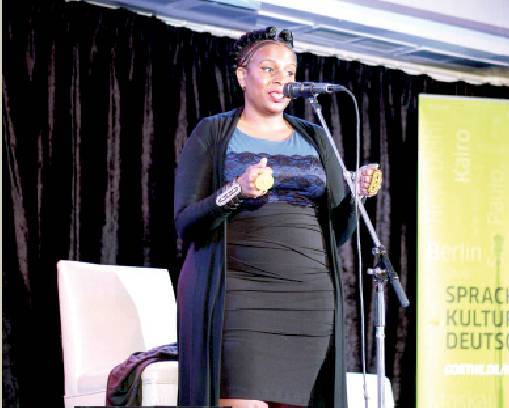
She has also had outstanding experiences and one of this was being part of The Daughters of Africa, an empowering collaboration of female artistes from across Africa touring Europe.
Silayio enjoys collaborating with women musicians and says that could be because she has sisters.
“Another collaboration would be just being part of a church worship team. It’s awesome. Church music is amazing and the shared ideology makes for some uplifting creative work,” she speaks with enthusiasm in conclusion.
Author
People.Reporter
View all posts by People.ReporterLatest News








Advertisement
More on News