US Senators raise alarm over Tanzania’s govt rising threat to neighbouring countries
By Kenneth Mwenda, November 15, 2025U.S. Senators Jim Risch and Jeanne Shaheen have issued a strongly worded statement warning that Tanzania’s escalating post-election violence poses a growing threat not only to its own citizens but also to neighbouring countries, including Kenya and the wider East African region.
The bipartisan statement, released by the U.S. Senate Foreign Relations Committee on November 13, 2025, condemned what it termed state-sponsored political repression, targeted abductions and manipulation during Tanzania’s October 29 general elections.
According to the senators, the election was “decided well before” voting day, with President Samia Suluhu Hassan’s administration presiding over “unprecedented levels of violence”, widespread intimidation and internet shutdowns that crippled communication and isolated millions of Tanzanians.
” Tanzania’s election was decided well before October 29th. In response to these less than credible elections, Tanzanians took to the streets to display their deep frustration and anger,” the press release reads.
“Unfortunately, instead of heeding calls for reforms and electoral transparency, the Government of Tanzania’s heavy handed security response resulted in the death of hundreds and the abduction and imprisonment of many more.”
“Tanzania has experienced an unprecedented level of violence over the course of the election. Internet shutdowns disrupted business operations, limited communications, and left Tanzanian citizens isolated.”
The senators warned that Tanzania’s ruling party has created an environment of fear that challenges the security of the country and neighbouring countries, signalling Washington’s growing concern over the regional ramifications of the crisis.
“Tanzania’s ruling party has created an environment of fear that challenges the security of the country and neighboring countries.”
“For decades, the U.S.-Tanzania relationship has been built on shared democratic values, global security, economic prosperity, and strategic investment. Tanzania’s continued pivot from the rule of law, reform, and good governance demands a genuine assessment of the U.S. bilateral relationship with Tanzania.”
Kenyans caught in the crossfire
The instability spilled across borders. At least 13 Kenyans were caught up in the chaos, according to the Kenyan Ministry of Foreign Affairs. Two-John Ogutu and Albert Kamala, a dual citizen-were killed. Three others remained in custody in Arusha and Dar es Salaam.
Eight Kenyans arrested during the demonstrations were later released without charge. Human rights organisations, including Amnesty International Kenya, VOCAL Africa and Defenders Coalition, condemned the killings and detentions, calling them grave violations of international law.
They also criticised public remarks by Tanzanian officials blaming foreigners-especially Kenyans-for the unrest, warning that such rhetoric puts expatriates at risk.
UN raises alarm
The United Nations Human Rights Chief, Volker Türk, had demanded a transparent investigation into the killing of hundreds of civilians and protesters.
Türk said the UN had received credible reports of bodies being removed from hospitals and streets by security forces, suggesting an attempt to conceal evidence.
The UN also demanded the release of detained opposition leaders, including Chadema leader Tundu Lissu, and warned that over 150 people-including minors-have reportedly been arrested, with some facing treason charges.
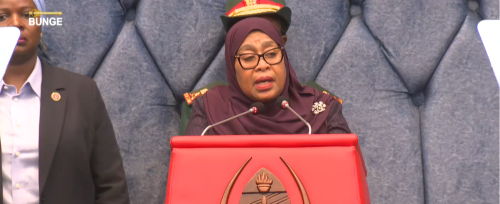
In her address to parliament on November 14, President Suluhu announced that charges against youths and children involved in the protests would be dropped.
She described many as having acted out of ignorance or peer pressure and urged them not to allow themselves to be used to destabilise the nation.