UN: Why Kenya is the silent frontline of East Africa’s next hunger emergency
By Aloys Michael, July 1, 2026Kenya has escaped being listed among the world’s latest hunger hotspots, but a new report by the Food and Agriculture Organisation (FAO) and the World Food Programme (WFP) suggests the country could soon find itself on the frontline of a growing regional food security crisis as conflict, famine risks and shrinking humanitarian funding converge across East Africa.
The FAO-WFP Hunger Hotspots: June to November 2026 Outlook released on Wednesday, July 1, 2026, identifies South Sudan and Somalia among countries facing the gravest food emergencies globally, while the eastern Democratic Republic of the Congo (DRC) continues to grapple with conflict-driven hunger.
Although Kenya does not feature on the hotspot map, its strategic location makes it the main humanitarian, trade and refugee hub for countries sliding deeper into crisis.
“Armed conflict and violence remain the primary drivers of acute food insecurity,” the report states, warning that weather extremes, global economic shocks and declining humanitarian assistance are compounding already fragile situations.
It further notes that humanitarian assistance to food sectors has fallen by an estimated 59 per cent between 2022 and 2025, even as the number of people facing severe hunger has continued to rise.
For Kenya, the implications extend well beyond its borders. The country hosts two of the world’s largest refugee camps, Dadaab in Garissa County and Kakuma in Turkana County, which primarily shelter refugees fleeing conflict in Somalia and South Sudan.
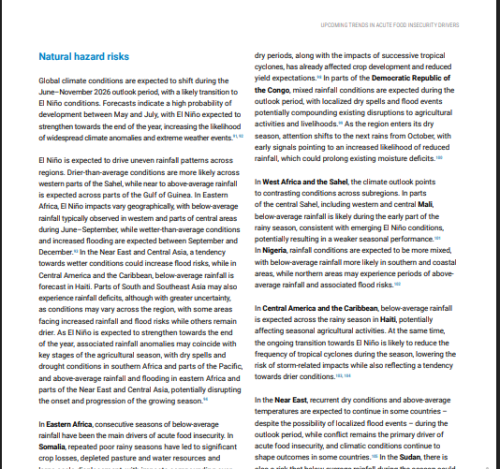
Should food insecurity worsen in neighbouring countries, humanitarian agencies could face fresh pressure to accommodate another influx of displaced families at a time when international aid budgets are shrinking.
The report projects that South Sudan will remain one of the world’s highest-concern hotspots, with 7.8 million people expected to face acute food insecurity and a credible risk of famine persisting in several counties if conflict escalates further.
In Somalia, FAO and WFP warn that populations in Burhakaba District face a risk of famine amid conflict, repeated droughts and rising food prices. Meanwhile, violence in eastern DRC continues to disrupt farming, markets and humanitarian access, driving displacement across the region.
Cost of living
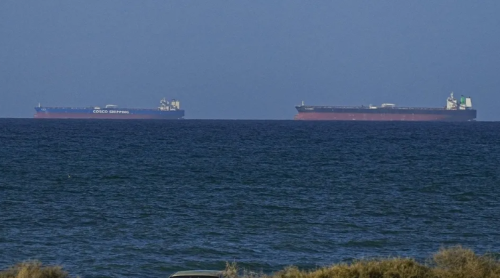
The report also highlights an emerging threat that could directly affect Kenyan households: rising food import costs linked to the conflict in the Middle East. According to FAO and WFP, disruptions to shipping routes through the Strait of Hormuz have increased fuel, freight and fertiliser prices, placing upward pressure on food prices across Eastern Africa.
The agencies warn that countries including South Sudan and Somalia are already feeling the impact through higher transport costs and reduced purchasing power, trends that could spill into Kenya’s food markets given its role as a regional trading and logistics hub.
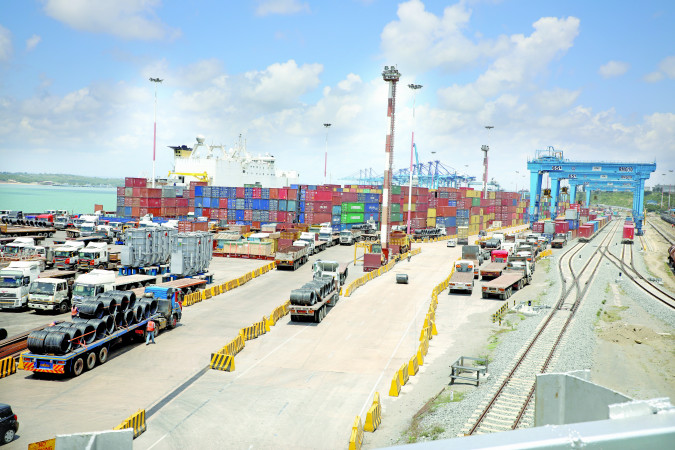
The Port of Mombasa is expected to become even more critical should regional humanitarian needs escalate. The port serves as the principal gateway for relief supplies destined for South Sudan, Uganda, eastern DRC and parts of Somalia. Any increase in humanitarian cargo, coupled with higher global shipping costs, would place additional pressure on logistics systems already coping with rising import expenses.
Kenya’s own preparedness may also come under renewed scrutiny. While the country has strengthened drought monitoring through the National Drought Management Authority (NDMA)and expanded social protection programmes after years of recurring drought, experts say policymakers must now prepare for regional shocks that could strain national resources even if domestic harvests remain relatively stable.
Questions are already emerging over whether the government has budgeted for another large-scale humanitarian emergency, whether strategic grain reserves are sufficient if regional demand surges, and whether refugee infrastructure can absorb new arrivals should conflict intensify across neighbouring states.
The FAO and WFP caution that modern famines are “almost always human-made, foreseeable and preventable,” arguing that early action remains significantly cheaper and more effective than responding after catastrophe unfolds. The agencies urge governments and donors to invest in resilience, strengthen early warning systems and sustain humanitarian operations before conditions deteriorate further.
For Kenya, that warning carries particular weight. While it is absent from the latest hunger hotspot list, its position at the crossroads of East Africa means it will almost certainly bear the economic, humanitarian and security consequences if neighbouring crises deepen.