UN report warns world slashed foreign aid by record 23% as EAC faces a post-aid reality
By Aloys Michael, May 31, 2026A little-noticed statistic buried in the United Nations’ latest reform report may signal the beginning of one of the biggest economic and humanitarian shifts in modern African history.
According to the UN80 Initiative Progress Report, international development assistance fell by 23 per cent between 2024 and 2025, the largest decline ever recorded. Worse still, the United Nations expects aid flows to fall by another 6 per cent in 2026, raising fears that East Africa is entering a new era in which donor-funded development can no longer be taken for granted.
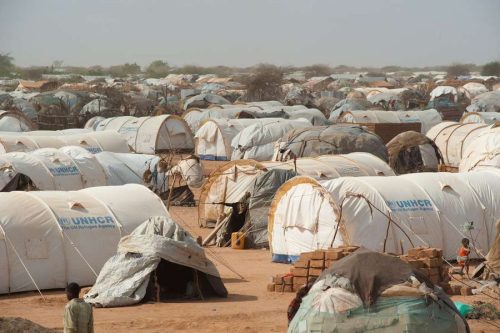
For decades, foreign aid has helped finance refugee camps in Kenya and Uganda, food relief in Somalia and South Sudan, health programmes across the region, and climate adaptation projects aimed at protecting vulnerable communities from droughts and floods.
Now, that model appears to be under unprecedented strain.
“The humanitarian system is being stretched to breaking point as demand for its assistance skyrockets and resources available to it plummet,” the report warns.
F/X
The implications for East Africa could be profound. Kenya hosts hundreds of thousands of refugees, while Uganda remains one of the world’s largest refugee-hosting nations.
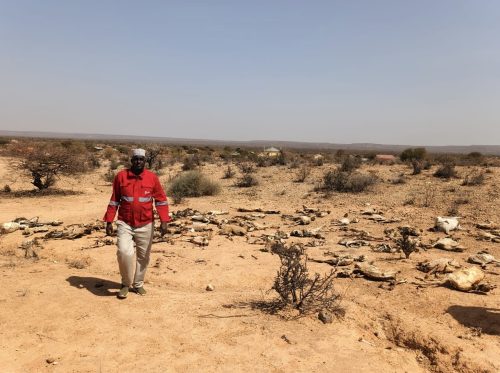
Somalia continues to battle recurring droughts and food insecurity, while South Sudan faces a combination of conflict, displacement and humanitarian emergencies.
Yet at the very moment needs are rising, global assistance is shrinking. The UN report paints a picture of a world where governments are redirecting spending toward domestic priorities, debt pressures are increasing, and traditional donor countries are becoming less willing or less able to finance overseas development programmes.
Recognising the new reality, the United Nations has already begun scaling back its humanitarian ambitions.
Humanitarian crisis
According to the report, humanitarian response plans have been “hyper-prioritised,” shrinking from $33 billion targeting 135 million people to $23 billion targeting 87 million people with the most urgent needs.
In simple terms, fewer people are likely to receive support.
For East Africa, the consequences could extend beyond humanitarian assistance.
Many climate adaptation projects, agricultural resilience programmes, public health interventions and poverty reduction initiatives rely heavily on international funding. A prolonged decline in aid could force governments to either absorb these costs themselves or abandon some programmes altogether.
The emerging question is no longer whether aid is falling.It is whether the post-aid era has already begun.
The UN report suggests that governments must prepare for a future built on efficiency, regional integration and domestic resource mobilisation rather than donor dependency.
One of the report’s key reform priorities is strengthening regional cooperation and knowledge-sharing mechanisms. New UN “Joint Knowledge Hubs” are being developed to focus on trade, regional integration and productive transformation, reflecting a growing belief that economic integration may offer a more sustainable path to development than reliance on aid.
For the East African Community (EAC), this raises uncomfortable but necessary questions.
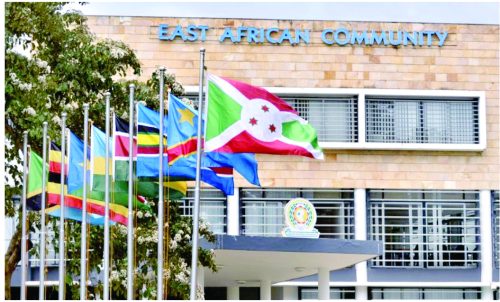
Can Kenya, Uganda, Tanzania, Rwanda, Burundi, South Sudan, Somalia and the Democratic Republic of Congo generate enough economic growth and tax revenue to finance their own development priorities?
Can regional trade become a substitute for shrinking aid flows?
And are governments politically prepared for a future in which donor support becomes the exception rather than the norm?
The report stops short of offering definitive answers. Instead, it delivers a warning. With humanitarian needs increasing worldwide and resources declining, difficult choices are becoming unavoidable.
“The real choice is between planned reform and externally imposed change, rather than between reform and the status quo,” the report states.

For East Africa, that message may be more relevant than anywhere else.
The region remains one of the world’s fastest-growing economic zones, yet it also remains heavily exposed to external funding shocks.
As aid budgets shrink in Washington, Brussels and other donor capitals, governments across the EAC may soon discover that the greatest development challenge of the next decade is not attracting aid, but learning how to thrive without it.
If the UN’s projections prove accurate, the age of donor dependence may be ending. What comes next could define East Africa’s future for a generation.