Trump scraps Strait of Hormuz shipping fee plan, replaces it with Gulf investment deals
By Kenneth Mwenda, July 14, 2026US President says Gulf states will invest heavily in America as Washington keeps blockade on Iranian-linked ships
US President Donald Trump has abandoned plans to impose a 20 per cent fee on cargo passing through the Strait of Hormuz, replacing the proposed charge with investment and trade agreements from Gulf countries.
Trump announced the change on Tuesday, saying the United States would instead pursue major economic deals with Gulf states, which he said would bring large investments into the American economy.
The reversal came hours after Trump had threatened to restore a US blockade targeting Iranian ports and impose charges on vessels using the strategic waterway, which is a key route for global oil and gas shipments.
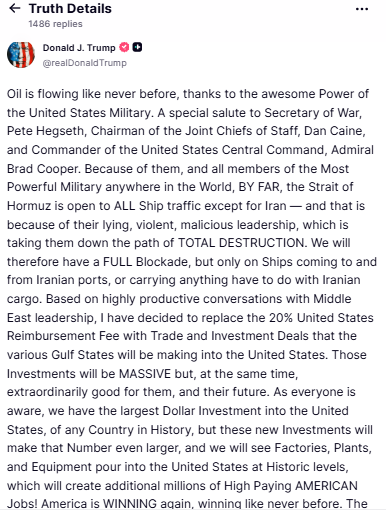
In a post on his Truth Social platform, Trump said the proposed “20% United States Reimbursement Fee” would be replaced by “Trade and Investment Deals” involving Gulf countries.
“Those investments will be MASSIVE but, at the same time, extraordinarily good for them, and their future,” Trump wrote.
He added that the deals would bring factories, plants and equipment into the United States, creating what he described as millions of high-paying American jobs.
Strait remains open
Trump said the Strait of Hormuz was open to all shipping except vessels linked to Iran, after the US military increased operations in the region.
“Because of them, and all members of the Most Powerful Military anywhere in the World, BY FAR, the Strait of Hormuz is open to ALL Ship traffic except for Iran,” Trump said, referring to US military officials.
He said Washington would maintain a “full blockade” only on ships travelling to and from Iranian ports or carrying Iranian cargo.
The Strait of Hormuz, located between Iran and Oman, is one of the world’s most important shipping routes. A significant share of global crude oil and natural gas exports passes through the narrow waterway, making any disruption a threat to energy markets and international trade.
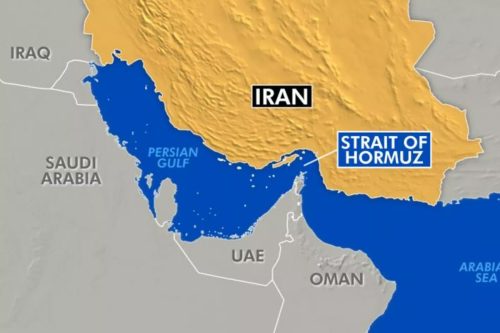
Tensions around the strait have increased as the United States and Iran continue a military confrontation that has affected commercial shipping in the Gulf region.
Trump’s decision followed a sharp rise in hostilities between Washington and Tehran.
The US launched strikes against Iranian targets after Trump warned that American forces would reintroduce a blockade of Iranian ports. Iran responded with attacks targeting US allies and interests in the region.
The confrontation has raised concerns over the security of commercial shipping and the possible impact on global energy prices.
The proposed 20 per cent shipping fee had sparked questions over its impact on Gulf economies, including Saudi Arabia, the United Arab Emirates, Qatar, Bahrain and Kuwait, which rely heavily on maritime trade through the region.
Trump had argued that the United States deserved compensation for protecting shipping routes, saying Washington had acted as a security guarantor for the Strait of Hormuz.
However, instead of collecting the fee, the president said Gulf countries would deepen economic ties with the US through investment commitments.
Economic deals replace shipping toll
The White House has not provided details on the size or timeline of the new investment agreements.
Trump said the investments would increase the already large flow of foreign capital into the United States.
“We have the largest Dollar Investment into the United States, of any Country in History, but these new Investments will make that Number even larger,” he said.
The announcement suggests the administration is shifting from a direct financial charge on shipping companies and Gulf allies to a broader economic strategy focused on attracting foreign investment.
Gulf countries have previously announced major investments in the US economy, particularly in sectors such as technology, energy, infrastructure and manufacturing.
The Strait of Hormuz crisis has placed global markets on alert because disruptions in the waterway can quickly affect fuel supplies, transport costs and inflation.
Oil prices, fertiliser costs and shipping expenses have historically risen during periods of instability in the Gulf.
The tensions around the Strait of Hormuz have already affected energy markets, with Kenya moving to protect consumers from possible fuel price increases.
The government has extended the reduced 8 per cent VAT on petroleum products for three months and announced a Ksh945 million subsidy through the Petroleum Development Levy to help maintain stable prices.
Energy Cabinet Secretary Opiyo Wandayi said renewed fighting in the Middle East had created uncertainty in global oil markets, warning that rising international crude prices could affect future fuel reviews.
However, he assured Kenyans that fuel supplies remained stable, saying the Government-to-Government fuel import arrangement had helped protect the country from disruptions and rising shipping costs.