Advertisement
Trump appeals for restraint following Israeli airstrikes on Beirut
Sunday 14th June, 2026 08:53 PM|

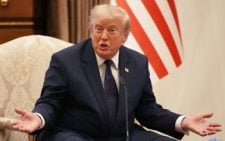
US President Donald Trump was forced to call for restraint on Sunday, June 14, 2026, after Israel launched fresh airstrikes on Beirut as mediators sought to conclude negotiations on a preliminary peace deal between Iran and the US that would bring the three-month war in the Middle East to a definitive end.
Trump played down new Israeli strikes but said, “All sides should stand down.”
“We are very close to a deal that will bring peace to the region, including to Lebanon … There should be no more attacks by Israel anywhere in Lebanon, but there should also be no more attacks by any other party, including Hezbollah, against Israel. This could be the beginning of a long and beautiful peace – let’s not blow it!” the US president posted to his social media site.
Trump had previously suggested the US could sign an agreement with Iran on Sunday, June 14, but as the evening came in the Middle East, there was no sign of a breakthrough.
You Might Also Like
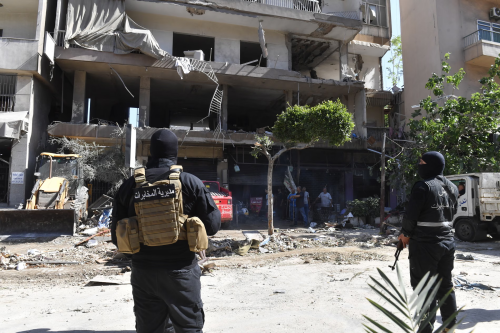
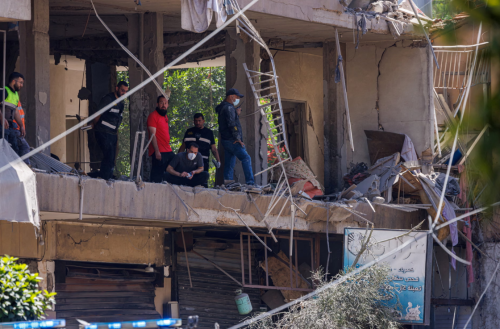
Instead, Iranian officials threatened a military response to the Israeli attack on Beirut, which destroyed a building in the Lebanese capital’s southern suburbs, killing three and injuring six.
Israeli target
Israel said it had targeted senior Hezbollah commanders after the militant Islamist organisation – which has close links with Tehran – launched three projectiles into northern Israel.
A strike on Beirut by Israeli forces a week ago triggered a short but intense new round of fighting between Iran and Israel, momentarily destabilising negotiations between Tehran and Washington.
Mohammad-Bagher Ghalibaf, a lead negotiator for Tehran and Iran’s parliamentary speaker, wrote on X on Sunday that Israel’s strikes on Beirut showed “America either lacks the will to fulfil its commitments or the ability to do so”, warning that the strikes could imperil the final stage of talks.
Gen Mohammad Jafar Asadi, the deputy commander of Iran’s joint command headquarters, said: “These crimes will not go unanswered,” according to the official Mizan news agency.
Tehran has insisted that any peace agreement must cover “all fronts” and so include the fighting in Lebanon, where Israel has launched a broad offensive and occupied a swath of the south.
“The Iranians do not trust the Americans and are not convinced that the Americans will hold the Israelis in check. I don’t think the Iranians care about Lebanon, but they do care about Hezbollah … and they have spoilers on their own side who don’t want a deal,” HA Hellyer, a regional expert at the Royal United Services Institute think tank in London, said.
Regional officials said Qatari mediators travelled to Tehran on Sunday to finalise terms of a memorandum of understanding, which is expected to be signed electronically.
Unconfirmed reports suggest this preliminary agreement will oblige Iran to reopen to all shipping the Strait of Hormuz, which, before the war, carried about a fifth of the world’s oil and liquid gas supplies.
At the same time, the US would lift its own blockade of Iran and allow Tehran to sell oil, providing some relief for Iran’s fast-deteriorating economy.
Author
Latest News






Advertisement
More on News