Advertisement
To what end? Former Supreme Court judge questions Uganda’s decision to shut down internet during polls
Thursday 15th January, 2026 08:40 AM|

Ugandans go to the polls on Thursday, January 15, 2026, to elect a new president, members of parliament, and district leaders. The vote, however, took place amid claims of unfair practices and government repression.
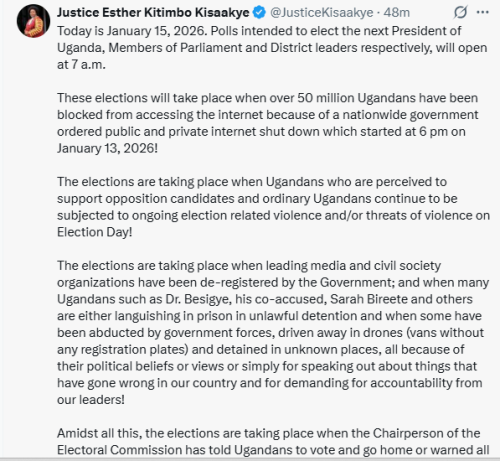
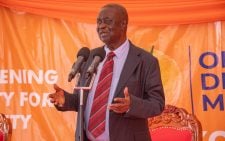
Former Supreme Court Justice Esther Kitimbo Kisaakye criticised the process on X, describing it as deeply flawed. She highlighted that over 50 million people had no internet access after the Uganda Communications Commission ordered a shutdown starting at 6 pm on January 13.
“These elections will take place when over 50 million Ugandans have been blocked from accessing the internet because of a nationwide government-ordered public and private internet shutdown which started at 6 pm on January 13, 2026!” she posted.
The commission instructed internet service providers to halt public access, citing risks of misinformation, electoral fraud, and violence. Critics argue that the blackout silences opposition voices and prevents real-time monitoring of the vote, making it hard to hold authorities accountable.
You Might Also Like
Security concerns overshadowed the campaign. Authorities arrested opposition figures, including veteran leader Kizza Besigye and activist Sarah Bireete. Amnesty International documented beatings, torture, and arbitrary arrests of supporters of Bobi Wine, President Yoweri Museveni’s main challenger.
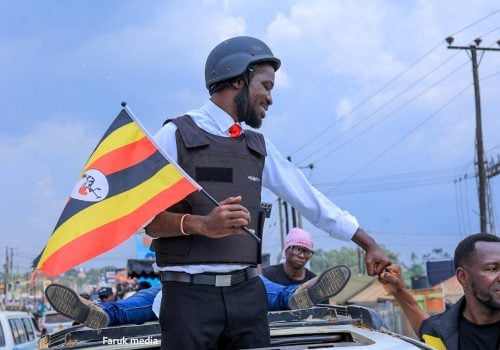
Bobi Wine, 43, a former pop star and Museveni’s main challenger, is running again alongside six other candidates.
Museveni, in power since 1986, is seeking a seventh term. concluded his nationwide campaign on 13 January, holding 143 rallies across all districts. Museveni described the events as celebrations and urged Ugandans not to be intimidated by opposition threats.
“I have heard threats of violence from the opposition. I urge Ugandans not to be intimidated. Go out and vote. Anyone who attempts to disrupt our peace will be dealt with firmly. Peace is guaranteed,” Museveni wrote on his X account.
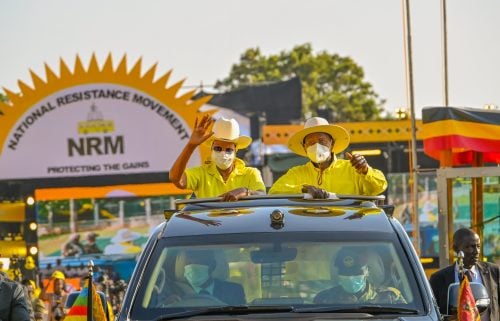
His son, General Muhoozi Kainerugaba, leads the defence forces.
‘Vote and go home’
The chairperson of the Electoral Commission urged voters to “vote and go home” and warned observers that those who stayed too close would be “picked up like grasshoppers”. Security officials repeated similar warnings across the country, particularly in northern Uganda, where some threats included arrests or shootings.
“Amidst all this, the elections are taking place when the Chairperson of the Electoral Commission has told Ugandans to vote and go home or warned all those who stay close to polling stations at distances permitted by law to observe the elections in progress that they will be ‘picked up like grasshoppers’!” Esther Kitimbo stated.
Opposition rallies faced roadblocks, teargas, and gunfire. Authorities de-registered several media outlets and civil society groups, accusing them of threatening security. At least seven NGOs were suspended by January 14.
Justice Kisaakye questioned how Uganda could claim a free and fair election under these conditions. She demanded that Museveni and the Electoral Commission provide answers, asking what they hoped to hide and how they could justify spending public funds on a flawed vote.
International observers closely monitored the elections. Human Rights Watch condemned the internet shutdown as a violation of fundamental rights, warning that it undermines transparency. Bobi Wine’s team encouraged citizens to counter blackouts with peaceful resistance and to stay engaged despite the restrictions.
Author
Kenneth Mwenda
Kenneth Mwenda is a business, sports, and politics digital writer with over seven years of experience in journalism, covering breaking news, feature stories, and in-depth analysis across a range of beats.
For inquiries, he can be reached at [email protected]
View all posts by Kenneth MwendaLatest News


Advertisement
More on News