Stephen Mule challenges fuel policy, urges VAT reduction to 4%
By Faith Lagat, May 26, 2026Matungulu Member of Parliament Stephen Mule has criticised Kenya’s fuel importation framework, questioning the Government-to-Government (G-to-G) model and calling for the reopening of the open market for fuel imports.
He also proposed reducing VAT on fuel from 8 per cent to 4 per cent to ease pressure on consumers.
Speaking during an interview on a local TV station on Monday, May 25, 2026, Mule said the current system has limited competition and affects fuel pricing.
“The questions Kenyans are asking are: why did you close the open market for fuel imports?” he posed.
He cited various companies, stating they are unable to import fuel directly and are instead forced to rely on the existing arrangement. “If we are serious as a country, the first thing we need to do is reduce VAT from 8 per cent to 4 per cent,” Mule argued.
He further argued that the system restricts free market participation and called for greater transparency in the structure of fuel procurement.
Debate over Government-to-Government fuel model
The G-to-G fuel import system introduced in 2023 continues to attract debate among political and industry players.
President William Ruto has defended the arrangement, saying it has helped stabilise fuel supply, shield the country from global price shocks, and support the stability of the Kenyan shilling. He made the remarks on May 22, 2026, during an event at State House, Mombasa.
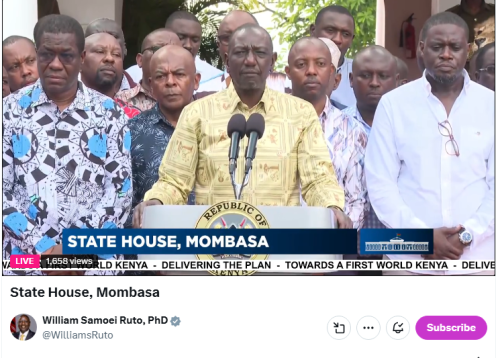
Energy Cabinet Secretary Opiyo Wandayi has also defended the system, stating it was introduced during the previous administration and has contributed to consistent fuel availability.
However, critics argue that the model has reduced market competition and may have contributed to higher pump prices compared to neighbouring countries.
Political reactions and economic concerns
Former Deputy President Rigathi Gachagua has previously criticised the arrangement, describing it as ineffective in lowering consumer prices and claiming that it benefits select private players.
Mule also used the platform to dismiss government messaging on the policy, arguing that Kenyans are being misled about its structure and impact. He urged reforms in the sector and stronger accountability in fuel procurement systems.
He further called on citizens to remain politically engaged ahead of the 2027 General Election, saying voters should demand accountability from leaders.
The ongoing debate highlights wider concerns over fuel pricing, taxation, and transparency in Kenya’s energy sector, with stakeholders divided over whether the current model stabilises the market or restricts competition.