Advertisement
State to roll out new malaria vaccine
Thursday 16th February, 2023 10:40 AM|

The government will deploy the new malaria vaccine to areas where it has not been administered to children amid rising cases in parts of the country.
An evaluation that has been done since the World Health Organisation (WHO) recommended the vaccine for wider use shows that when it is administered in routine immunisation programmes, it is able to reduce hospital admissions because of severe malaria up to 32 per cent.
Kenya Medical Research Institute (Kemri) scientists revealed in the evaluation survey yesterday that about 79 percent of children in 46 sub-counties drawn from eight counties in Western Kenya had been given the vaccine.
“From these findings, the Ministry of Health is planning to introduce the vaccine in areas that were not covered during the pilot programme,” said Dr Sam Aketch from KEMRi-Wellcome Trust Research Programme in Nairobi during a side event; Accelerating Towards a Malaria Free Kenya through Innovations in Prevention, Therapeutics and Surveillance.
Counties in the Coast region where the disease is endemic are also targeted besides the eight in Western Kenya. They include; Migori, Homabay, Kisumu, Siaya, Vihiga, Busia, Kakamega and Bungoma.
Within the eight counties, Aketch said the survey was also done in six sentinel hospitals, where cases of severe malaria and meningitis were being monitored.
“A community mortality surveillance was also done throughout the 8 counties, and a system was set to monitor all under 5 deaths. In the findings, it is reported that children who didn’t get the vaccine, even if they slept under a bednet, contracted malaria,” he noted, pointing out that this informs the decision to introduce the vaccine in malaria endemic areas where it had not been given to children. We are still doing other studies to assess how many doses will be required to be given to children in the long term in the next one and half years,” Aketch added, even as the government renewed commitment to finance health research, and innovations.
Pilot programme
One in every five deaths of Kenyan children below the age of five is caused by malaria, a disease that is deadly yet effectively preventable and treatable. Each minute, a child dies of malaria which translates to 1,300 children dying every day. WHO recommended the widespread use of the RTS,S/AS01 (RTS,S) malaria vaccine among children in sub-Saharan Africa and in other regions with moderate to high P. falciparum malaria transmission. The recommendation on October 6, 2021was based on results from pilot programmes in Ghana, Kenya and Malawi that reached more than 900,000 children since 2019.
“This is a historic moment. The long-awaited malaria vaccine for children is a breakthrough for science, child health and malaria control,” said WHO Director-General Dr Tedros Adhanom Ghebreyesus. “Using this vaccine on top of existing tools to prevent malaria could save tens of thousands of young lives each year.”
Malaria remains a primary cause of childhood illnesses and death in sub-Saharan Africa. More than 260 000 African children under the age of five die from malaria annually.
Health Cabinet Secretary Susan Nakhumicha said the government will scale up financial support towards research, technologies and innovations that would strengthen public health security in an emerging disease burden threat.
Research and innovations
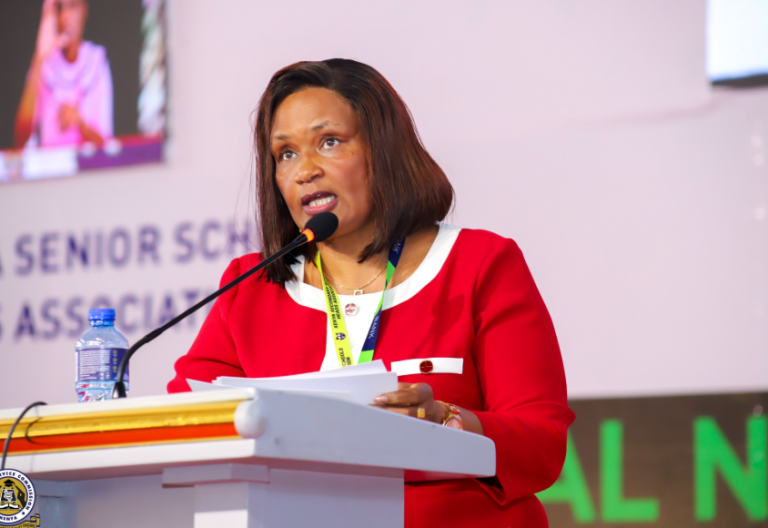
In a speech read by Dr Patrick Amoth, Ministry of Health Director General she said that adequate funding towards medical research and innovations will be key to eliminating killer ailments including malaria, cancer, tuberculosis and HIV/Aids.
Nakhumicha urged more partners to come on board and support the country’s efforts to bridge financing bottlenecks that have derailed research.
“Human health research if adequately funded will strengthen our national disease surveillance and response to major outbreaks. We require evidence-based research to inform policies on responding to health emergencies,” said the CS.
The 13th Kenya Medical Research Institute(KEMRI) annual scientific and health conference enters its second day today. Over 600 delegates including policymakers, researchers, innovators and donors are attending.
Daniel Mbinda, the Chairman of Kemri Board of Directors said that robust health research financing will inform designing of policies that seeks to reinvigorate detection, treatment and management of infectious and non-communicable diseases like cancer and diabetes.
Author
George.Kebaso
View all posts by George.KebasoLatest News




Advertisement
More on News