Siaya reports 47% rise HIV infections despite injectable therapy
By Eric Juma, July 1, 2026New HIV infections in Siaya County have risen to 47 per cent despite the rollout of long-acting injectable HIV prevention therapy, prompting health officials to call for increased uptake of the intervention and strengthened prevention efforts.
Siaya County HIV Coordinator Silvia Imbuye said the latest HIV estimates show the county has not recorded the expected improvement despite introducing injectable pre-exposure prophylaxis (PrEP) in the community.
“As per 2026 HIV estimates, we have not realised a positive improvement. Previously we had new HIV infections at 40 percent and the latest report puts it at 47 percent,” Imbuye said.
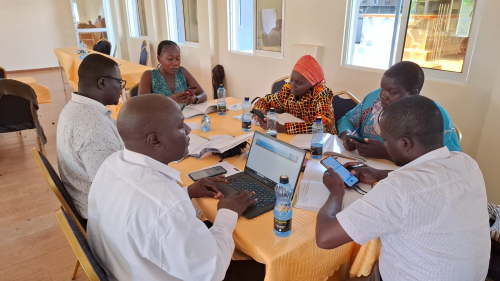
She spoke in Siaya Town on July 1, 2026, during the training of supervisors on the health services integration model.
Low uptake concerns health officials
Imbuye attributed part of the challenge to the low uptake of long-acting injectable HIV therapy among residents.
The injectable therapy, which combines cabotegravir and rilpivirine, is administered through injections and provides an alternative to daily oral antiretroviral medication. It is intended to benefit people who face challenges with daily adherence, stigma or limited access to health services.
“This strategic initiative marks a significant step toward our goal of ending HIV/AIDS by 2030,” Imbuye said.
She urged residents to embrace injectable PrEP, noting that it complements existing HIV prevention measures such as oral PrEP, post-exposure prophylaxis (PEP), voluntary medical male circumcision and condom use.
Imbuye also raised concern over mother-to-child transmission of HIV, saying the rate had increased from 6.2 per cent to 6.7 per cent.
She encouraged expectant mothers to attend antenatal clinics early to allow screening for HIV, syphilis and hepatitis.
“Upon testing for these conditions, we shall initiate early prevention and treatment to tame spread of the diseases to the baby,” she said.
The county HIV coordinator added that health officials would continue engaging adolescents through public forums to increase awareness and reduce new infections.
“We won’t tire till the new HIV infections are reduced significantly and we are ready to meet the targeted audiences in any gathering,” she said.
County strengthens HIV response
Imbuye also called on government departments to implement the public service workplace HIV policy to promote prevention and protect employees’ health and productivity.
Meanwhile, Siaya County has launched a capacity-building programme for health workers as part of plans to integrate HIV, sexually transmitted diseases and viral hepatitis services into routine healthcare.
According to Imbuye, the training is intended to prepare sub-county health officers to deliver services previously supported through donor-funded programmes.
“We are doing training to sub-County health officers on integrated service delivery manuals for prevention management and treatment of HIV, STDs and viral Hepatitis,” she said.
“Siaya is on a high gear towards integrations of services and the aim of the training is to ensure the integrations is implemented and service delivery is improved.”
She said the move has been informed by declining donor funding, which has affected standalone HIV clinics.
Nationally, Kenya has made progress in the HIV response, with 98 per cent of people diagnosed with HIV linked to care. The country has also recorded an 83 per cent reduction in new HIV infections and a 65 per cent decline in AIDS-related deaths over the past decade, according to health sector data.