Advertisement
Ruto’s Affordable Housing plan faces threat amid Ksh800M budget slash
Thursday 19th March, 2026 10:24 AM|

President William Ruto’s affordable housing programme could face delays as the Ministry of Housing cautions that funding constraints threaten its progress.
“Currently we have 1,700 ongoing housing projects. We also have a personnel shortage, some officers are working up to three shifts due to understaffing,” he said.
“Under the proposed FY 2025/2026 Supplementary Budget, a reduction of Ksh800 million has been made to the programme’s donor funding allocation, lowering the total budget from Ksh 13.341 billion to Ksh12.541 billion.”
You Might Also Like
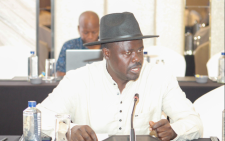


During the meeting, the parliamentary committee, chaired by Vice Chairperson Mugambi Rindikiri, asked whether the Department had anticipated the funding gap and why additional staff had not been recruited.
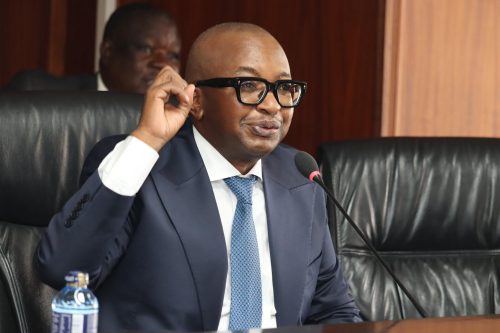
Hinga confirmed that the shortfall was anticipated, with 80 per cent of the allocated budget already utilised. He added that while some funds had been invested in Treasury Bills, the National Treasury had denied access to them for housing projects.
“The department had anticipated the funding inadequacy, having already utilised 80 per cent of the allocated budget. Although the Department had saved some funds in Treasury Bills, the National Treasury has declined to allow access to the funds,” he stated.
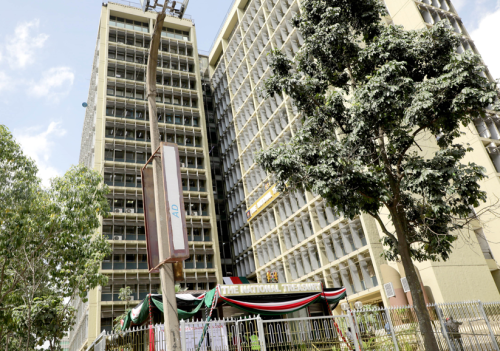
Audit query
The funding concerns coincide with revelations that at least 6,390 companies have failed to deduct and remit the mandatory 1.5 per cent Housing Levy, according to a recent report by the Auditor General Nancy Gathungu.
The report noted that while the Kenya Revenue Authority (KRA) collects the levy, it cannot enforce compliance due to a legal loophole in the Affordable Housing Act of 2024. Enforcement responsibility rests with the Affordable Housing Board, which lacks access to taxpayer data.
As a result, non-compliance has been widespread, with some firms failing to deduct the levy or concealing deductions.
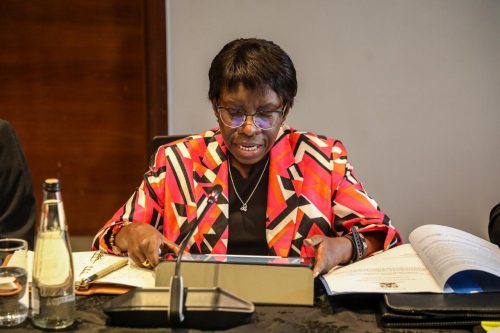
Despite collecting Ksh73.19 billion by June 2025, the Fund has delivered only 3,611 housing units against a target of 200,000 annually, while Ksh45.48 billion remains tied up in Treasury Bills, raising concerns about the programme’s effectiveness.
Further, in February 2026, the government suffered a major blow after the World Bank reduced the amount of commercial financing it had planned to help Kenya mobilise for its housing and reform programme, trimming the figure by nearly two-thirds.
The development, which came less than a month ahead of the international lender’s initially planned board approval, shows commercial lenders are now expected to contribute Ksh46.45 billion, down from an earlier target of Ksh116.12 billion under the proposed financing structure.
Author
Latest News







Advertisement
More on News