Ruto pledges to eradicate Kibera slum under housing plan
By Cynthia Lodite, April 9, 2026President William Ruto has declared that his administration is committed to eradicating, not merely upgrading, the Kibra informal settlement in Nairobi in an effort to transform the area.
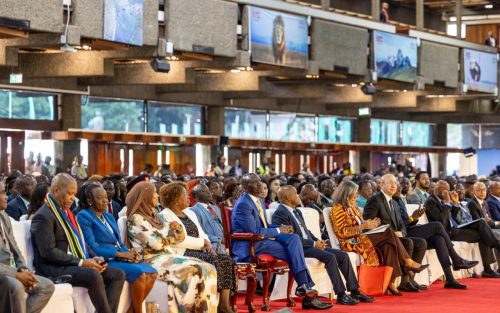
Speaking during an interactive session at the second African Urban Forum, Kenyatta International Convention Centre, Nairobi on Thursday, April 9, 2026, Ruto explained that the government is on a course to eradicate Kibera slums.
According to Ruto, the plan to eradicate the informal settlement is set to transform the place into an estate through the affordable housing initiative.
“Unlike in the past when we used to showcase the Kibera informal settlements, once the largest informal settlement in the region, which is now on course to be eradicated,” Ruto said.
The President further explained that his administration is building more than 270,000 affordable housing units in over 200 sites nationwide.
Also, these projects have created over 640,000 jobs, expanded access to home ownership, restored dignity by addressing informal settlements, and curbed land fragmentation to protect agricultural land.
“We are proud to be among the leading African nations implementing the Affordable Housing Programme, one of the most consequential programmes in our country,” Ruto stated.
The event brought together representatives from over 40 countries at the ministerial level. The government is expected to showcase on the sidelines of the event some of Kenya’s affordable housing projects in Nairobi County.
Fate of Kibera slums
His remarks come a year after he said the government’s approach aims to provide residents with dignified living conditions and sustainable solutions to urban poverty, rather than temporary fixes.
At the time, Ruto criticised individuals doubting the affordable housing project.
“We will not be upgrading this slum (Kibra), instead we will be eradicating it so that it is no more. And for those who doubted the government’s affordable housing initiative, haven’t we built the houses? Aren’t they progressing well?” he stated.
“And to change the face of the slum to an estate, you can see the changes evidently before you.”
He noted that the Soweto housing project had created employment opportunities for many youth.
The President stated that the enumeration process in Kibra’s Soweto C and D areas is in its final stages, with the aim of listing at least 11,000 residents.
He explained that those enlisted will receive a card as proof of residency, which will serve as a ticket to secure a house once the planned housing project is completed.
This move is part of the government’s broader plan to eradicate the Kibra slum and replace it with modern housing, ensuring that genuine residents are prioritised in the allocation of the new homes.