Advertisement
Ruto orders NTSA to rollout smart cameras, instant fine system in all cities
Monday 02nd March, 2026 12:18 PM|

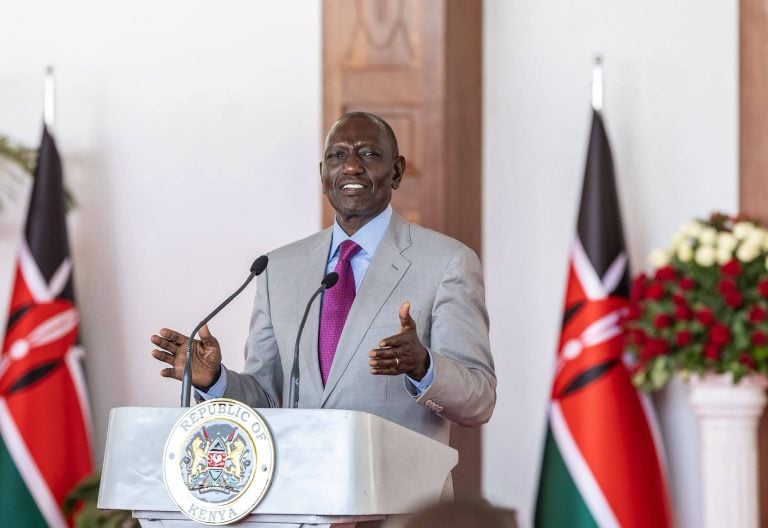
President William Ruto has directed the National Transport and Safety Authority (NTSA), alongside the Ministry of Transport, to implement smart traffic camera systems across all major cities within the next month.
The initiative aims to enhance road safety, improve traffic management, and strengthen enforcement of traffic regulations nationwide.
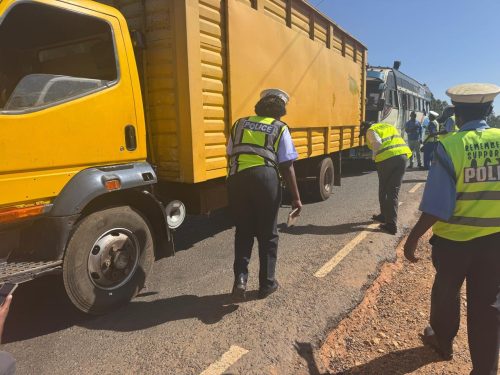
“We have taken forever, the Ministry of Transport. Why don’t we enforce the instant fines programme? Why haven’t we rolled out the cameras on our roads?” the president posed.
You Might Also Like
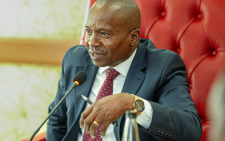
The Head of State has set a firm one-month timeline for the installation of the cameras and their integration into the instant fines framework.
“Rolling out cameras is not rocket science. Let us roll out the cameras in the five or six major towns within one month. Those cameras should be connected to the whole framework of instant fines,” Ruto directed.

The proposals
At the same time, Ruto emphasised that road safety reforms must go beyond technology and enforcement, calling for a coordinated national effort to address systemic weaknesses, stressing the need for dedicated financing mechanisms, including the operationalisation of the national road safety fund.
“Indispensable road safety must be pursued through a whole-of-government and a whole-of-society approach. Rising fatalities, systemic corruption, infrastructure gaps and weak digital integration make it clear that road safety reform must now move from pilot phase to full national transformation,” he said.
Referring to the Chief Justice Martha Koome’s report, the President supported moving some traffic offences away from the courts into administrative processes to improve efficiency and reduce corruption.
“From weak enforcement to bribery to court attendance and backlog in our courts, I agree with the report and with the Chief Justice that some of these traffic offences need to be moved to the realm of administrative interventions,” the President stated.

“Part of the reason why it is easy to pay a bribe rather than go to court is because it takes so long to pay a legitimate fine. We must make it much more painful to pay the bribe and make it much more easy to pay the legal fine.”
The Head of State also highlighted that delays in paying minor traffic penalties discourage compliance, while officers sometimes join traffic units for personal gain rather than public service.
“If the fine for a traffic offence is 1,000 shillings and it means you spend a whole day in a courtroom waiting to pay the 1,000, you know that’s how we end up with the challenges that we have,” Ruto said.
“Not many people even come to court; some want to join the traffic department, not because they are hard-working officers who want to assist us, but because of what is going on there.”
Author
Latest News



Advertisement
More on News