Advertisement
Ruto directs new policy reforms for basic education
Monday 01st June, 2026 02:22 PM|

President William Ruto has directed Education Cabinet Secretary Julius Ogamba to initiate reforms in the basic education system aimed at integrating informal and religious learning programmes into Kenya’s recognised education framework.
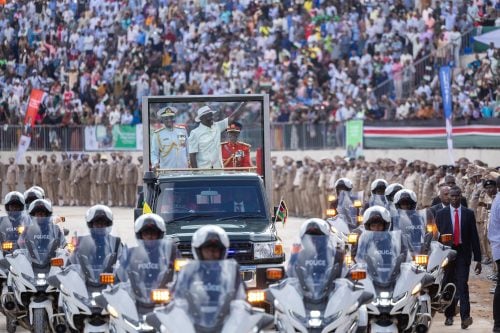
Speaking on Monday, June 1, 2026, during the Madaraka Day celebrations in Wajir, Ruto said the reforms would ensure that learners enrolled in alternative education pathways are formally recognised within the country’s education system.
The President specifically ordered the Education Ministry to develop measures that will integrate madrasa education, Tuksi learning systems, and pastoral instruction programmes into the formal education structure.
According to Ruto, the move is intended to ensure that no child is excluded from education because of geographical location, historical marginalisation, or the lack of recognition of alternative learning methods.
You Might Also Like

“Some children in northern Kenya and other marginalised regions remain outside the formal education system because of certain alternative learning pathways that have not been adequately recognised and accommodated within our education framework,” Ruto stated.
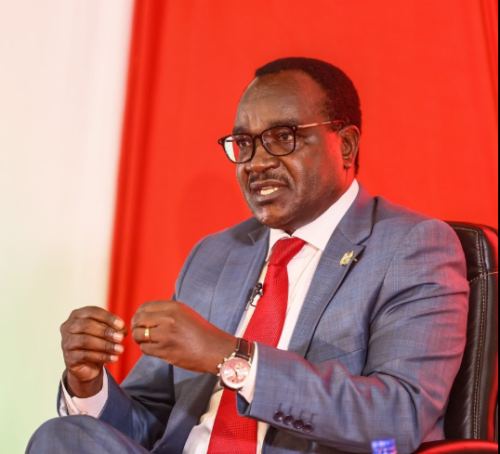
He directed the Education CS to engage stakeholders and begin consultations under the Basic Education Act to develop proposals for the formal recognition and integration of these learning pathways.
“Today I direct Education CS to engage all relevant stakeholders and take the necessary measures under the Basic Education Act to consult widely and recommend appropriate measures for the formal integration of the same,” Ruto ordered.
The Head of State noted that despite government investments in school infrastructure, teacher deployment, and digital connectivity, particularly in arid and semi-arid regions, some children continue to miss out on formal education because their learning systems are not adequately accommodated within the national framework.
“This challenge is particularly evident in the absence of a clear framework to recognise and integrate Tuksi, Madrassa, and the programme for pastoral instruction into the national education system,” he said.
The proposal
The President said the proposed reforms should create a recognised pathway for all children to access education, skills development, and future opportunities regardless of their background.
If implemented, the reforms will see Tuksi and Madrassa programmes formally recognised under the Basic Education Act and integrated into Kenya’s education system.
A madrasa is an Islamic educational institution that provides religious instruction but has traditionally operated outside the country’s formal education framework.
Following the directive, CS Ogamba is expected to convene consultations with education stakeholders, religious leaders, and community representatives, particularly from Northern Kenya, to determine how the proposed reforms will be implemented.
Author
Latest News
Advertisement
More on News
