Passaris pushes for strong filters to shield minors from harmful digital content
By Faith Lagat, August 14, 2025Nairobi County Woman Representative Esther Passaris has urged Parliament to adopt tough safeguards in the digital space to protect children from harmful online material.
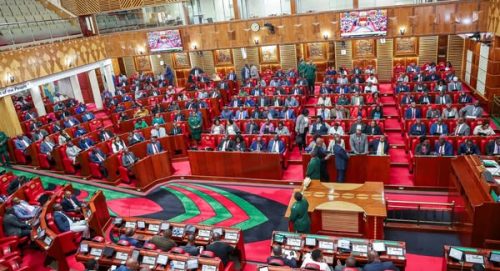
Speaking during the second reading of the Computer Misuse and Cybercrimes (Amendment) Bill, 2024, on Thursday, August 14, 2025, Passaris said the legislation should compel popular platforms to install robust filtering systems that prevent minors from exposure to predators, extremist propaganda, and explicit content.
“This bill is not about silencing Kenyans; it’s about protecting them, especially our children, from the dangers that unregulated online content brings into our homes,” she told MPs.
“A child can sit in the comfort of their living room, phone or tablet in hand, and in a matter of seconds be exposed to predators, extremists, recruiters, or explicit pornographic material.”
Strong enforcement measures
Passaris proposed that platforms refusing to comply with such safeguards should face restrictions or even be blocked in the interest of public safety.
“We must stand firm,” she said. “If they refuse to comply, we must be ready to restrict or block them.”
The 2024 amendment bill, introduced on August 9 last year, seeks to tackle evolving cyber threats, including unauthorised SIM swap fraud and online exploitation. The Centre for Intellectual Property and Information Technology Law (CIPIT) notes the law aims to strengthen Kenya’s capacity to respond to new and emerging digital risks.
Passaris’s push comes as the country grapples with a heated debate triggered by a BBC Africa Eye documentary aired earlier this month. Titled “Madams: Exposing Kenya’s Child Sex Trade”, the programme alleged that girls as young as 13 in Maai Mahiu were being trafficked into prostitution.
Interior Cabinet Secretary Kipchumba Murkomen on Wednesday dismissed the documentary as a “planned hoax”, insisting that investigations found no minors were involved.
“That report was fake because the people interviewed were not underage. I went the whole length to read their names, pseudonyms, and what they do,” he said, further claiming that witnesses alleged BBC journalists promised substantial payments and lifestyle benefits to fabricate the stories.
The BBC has defended its reporting, saying none of the contributors were paid, offered payment, or coached. It stressed that interviewees were adults recounting abuse they endured as children and raised concern that some survivors were questioned without legal counsel.
Widespread exposure
Passaris’s stance is supported by research from the 2023 Journal of Cybersecurity, which found that 68 per cent of Kenyan youth encounter harmful online content each year.
As Parliament weighs the bill, the discussion has become a balancing act between safeguarding children and upholding freedom of expression, with Passaris making clear that, for her, protecting the nation’s youngest citizens must take priority.