Advertisement
Now traditionists, churches split on male ‘cut’ goodies
Monday 19th December, 2022 05:32 AM|
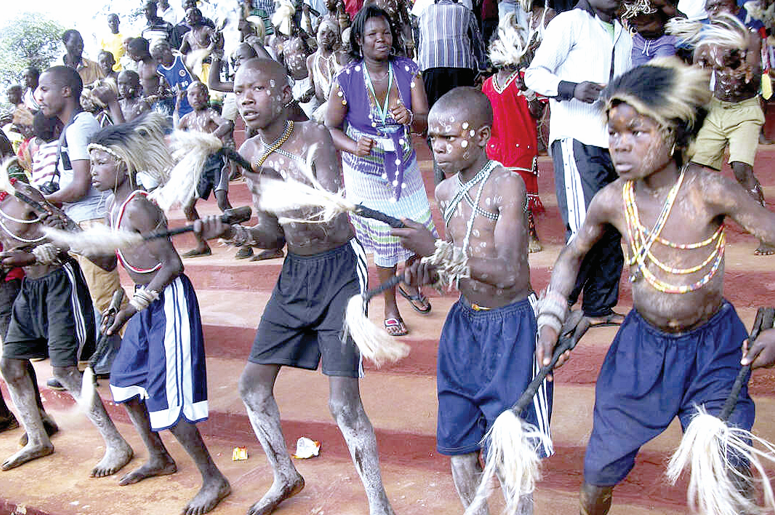
Many churches are engulfed in a major tussle with community elders across the country over control of circumcision of young boys that signifies a rite of passage.
The feud now threatens to sully a cordial relationship between community elders and churches. Good ties between the two have existed for almost 30 years since the introduction of inculturation theology. Male circumcision is rampant in various parts of the country as a traditional norm.
But now community elders are becoming uneasy and suspicious of churches, particularly mainstream ones like Anglican Church of Kenya, Catholic, Presbyterian Church of East Africa (PCEA), African Inland Church (AIC) and several evangelical churches that want to phase out traditional circumcision of boys in favour of a regulated ritual.
The elders also accuse churches of overstepping their societal roles and using the rite as a cash cow.
In most African communities, the ritual is a sacred stage in a boy’s life, marking the transition from childhood to adulthood.
With the current long school break that is scheduled to run until January 23, 2023, thousands of boys are already checking into different camps, organised by various churches, to undergo the cut. Annually, about one million boys are circumcised in Kenya.
Elders are also troubled that churches have been conducting the exercise that involves shedding of blood inside their holy institutions. They insist that churches should leave circumcision ceremonies to them and concentrate on spreading the gospel.
In counties like Bungoma, Busia, Vihiga, Kakamega and Trans Nzoia from western Kenya, circumcisers, known locally as “bashebi”, are complaining that churches are taking over their age-old tradition.
They also say that the churches are diluting the rite’s main purpose of instilling discipline and teaching culture and local traditions to initiates.
But the churches say they are giving parents alternative rites of passage for their sons to steer them from negative cultural and traditional practices.
They argue that traditional initiations are no longer attractive to many modern parents, while many youths are easily influenced by social media, television and other outlets that are heavy conveyors of western lifestyles.
Traditional circumcisers also accuse churches of not only interfering with local traditions but also of extorting parents by charging huge sums of money.
They say some churches demand between Sh10,000 and Sh20,000 per initiate.
“They detain the boys in their churches in the name of spiritual nourishment while bypassing elders who have always played a critical role in the rite,” says Alexander Lunalo, a revered circumciser in Ikolomani constituency.
Disregard culture
Mzee Lunalo, popularly known locally as Dr Mutooni, says he is afraid that boys initiated by churches could disregard local culture and traditions.
“We have always worked with churches and hospitals in this process, but it is now becoming clear that we are at war because they are overlooking us. They are now our competitors instead of our partners,” he said at his home in Kakamega county.
He adds that their biggest challenge is that local traditions prohibit them from advertising their services, but churches and medical facilities are doing this.
“I have circumcised thousands of boys and none has ever fallen sick or turned into an undisciplined member of society. This is due to the morals we imparted on them. Ironically, some of the people who passed through our hands are the current church leaders who are now opposed to the practice,” he says.
A section of clerics, however, denied that they were inciting their members against traditional rites. “We respect our traditional circumcisers, some of whom made us who we are today. It is actually the parents who are opting for hospitals with the help of their respective churches,” says Fr Edward Mulama of Holy Rosary Shiseso Catholic Church.
He adds: “I think the trend is due to the many infectious diseases in the country. Some parents also feel that the church process is less demanding.”
Pastor Obadiah Isalia of Mutaho Calvary Church says they are involved in initiation ceremonies to assist the parents rear God-fearing children, devoid of retrogressive practices.
Something small
He denied claims that they charge exorbitant fees. “The parents foot the hospital bills and only give us something small to cater for the boys’ upkeep as they heal,” he adds. However, he declined to give the figure. He says they never incite the boys against their traditions and they expect their elders to mentor the boys at home.
In Central Kenya, circumcision of Gikuyu boys was a traditional role primarily left to councils of elders. The initiates would usually be placed in seclusion for a fortnight.
During this period, they would be circumcised and tutored on discipline, culture and social responsibilities. Elders in the region are now accusing churches of taking over a traditional domain.
Simon Wachira Kiago, chairman of the Kikuyu Council of Elders observes that churches should restrict themselves to offering spiritual nourishment.
“The boundary is very clear on whose responsibility it is to instill traditional and cultural practices to the youth.
In the Kikuyu setup, the elders council, known as Kĩama Kĩa Ma, was the one responsible for mentoring and guiding newly-circumcised youths on culture, traditions and taboos.
After the circumcision, the elders would urge the parents to keep off their boys’ healing process until they fully recovered.
Indeed, Wamikori Wakaburu, a notable elder in the Kikuyu council from Mang’u village in Gatundu North, has been moving around training initiates. He says Kikuyu elders should be responsible for the rite.
“Boys are supposed to undergo the ‘cut’ supervised by elders for various reasons, among them training on local cultures. Circumcision is a traditional covenant. The blood should touch the ground to provide a linkage between initiates, God and our forefathers,” he explains.
Wakaburu says the exercise should happen at Itiiriini (the point of circumcision) and never in churches, which are holy places. “We go to churches for spiritual nourishment and not to oversee shedding of blood. Churches should rethink this. They should go back to the roots,” he adds.
But churches in Mt Kenya region are adamant that nothing is wrong with their actions. Many are now offering seven-day session, after which they issue participation certificates.
In most cases, church committees identify topics that are relevant to the growth and development of youths. A doctor visits the initiates twice a day.
On the tenth day, a graduation ceremony is held, with relatives of the initiates present. Certificates are then issued.
Most churches are also teach the boys various topics like sexuality and HIV-Aids. They say young people need guidance on the transition from childhood to adulthood.
The elders are said to have been overtaken by events, with gaps emerging in their training programmes.
Pastor John Kigotho of Revival Church says the Kikuyu Council of Elders lost the grip they had on the community, and that churches stepped in to tutor youngsters.
Njau accuses the elders of introducing illegal substances and doctrines.
“The elders were overtaken by churches in supervision of circumcision after gaps emerged in their training programmes. The churches will not allow children to be led astray,” states Kigotho.
It is a view shared by Bishop Joseph Kagunda of ACK Mt Kenya West, who blames the elders of abdicating their responsibilities. “We are only filling a void left by elders – offering the youth good guidance”, says Bishop Kagunda.
On his part, Bishop John Njau of Blessing Revival Church says circumcision ceremonies should not be conducted in churches owing to the shedding of blood, which is against Christian beliefs.
He says the blood of Jesus is enough atonement. “Jesus is our last sacrifice,” says Njau.
Latest News




Advertisement
More on News
