Advertisement
Musembi Nthenge explains why he would legalise corruption and tribalism if he were in office
Sunday 27th July, 2025 11:17 AM|

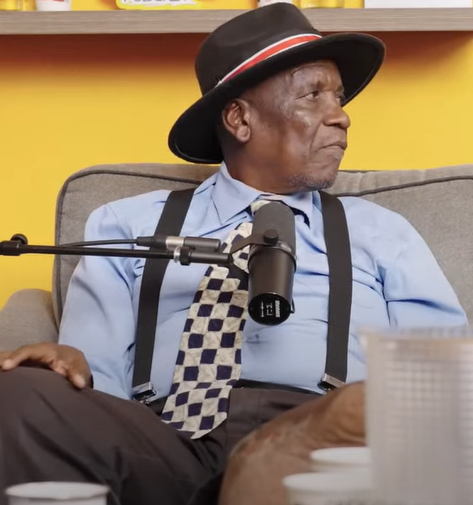
Son of the late veteran politician and now viral social media sensation Musembi Nthenge, widely known for his grasp of current trends and fluent use of Sheng, has given a deeper explanation of why he would legalise corruption, tribalism, bhang, and local brews if given the opportunity to lead.
Speaking on a podcast on Sunday, July 27, 2025, Nthenge said corruption has reached a level where it is part of daily life for many Kenyans. He argued that by legalising it, the government could regulate it and reduce its negative effects. According to him, the fight against corruption has been ineffective because the practice is deeply rooted in all levels of society.
“Corruption is worsening day by day; we have reached a point where it must be legalised for it to reduce. Many people think that corruption is something that is strange; it’s an everyday thing. Since it’s an everyday thing, let it be legalised because everybody is corrupt,” Nthenge said.
Nthenge also defended his inclusion of tribalism in his past manifesto, saying that tribal affiliations play a major role in Kenya’s politics and social structures. He explained that instead of condemning it, tribalism could be recognised, regulated, and used positively to promote unity and development.
You Might Also Like


On local brews, he maintained that there is no reason for Kenyans to rely on foreign liquors when the country has its own traditional brews. He said these should be legalised, standardised, and taxed to support the economy.
Manifesto
Nthenge pointed out that his experience during the 2021 Machakos by-election, where he spent significant resources without success, shaped his perspective. He emphasised that his ideas were not meant to glorify vices but to approach them realistically by legalising and regulating them instead of fighting battles that have historically yielded little change.
“In 2021, I tried vying for an elective seat during a by-election, and it ate my money. My manifesto was to legalise tribalism, legalise corruption, legalise bhang, and legalise local brews. He defended his manifesto, saying that local brews must be legalised since there is no need for the consumption of foreign liquors when we have our own liquor, saying that the problem is that Kenyans do not love embracing their own things”.
Author
Latest News




Advertisement
More on News