Advertisement
Much ado about Xinjiang cotton
Tuesday 20th April, 2021 12:00 AM|
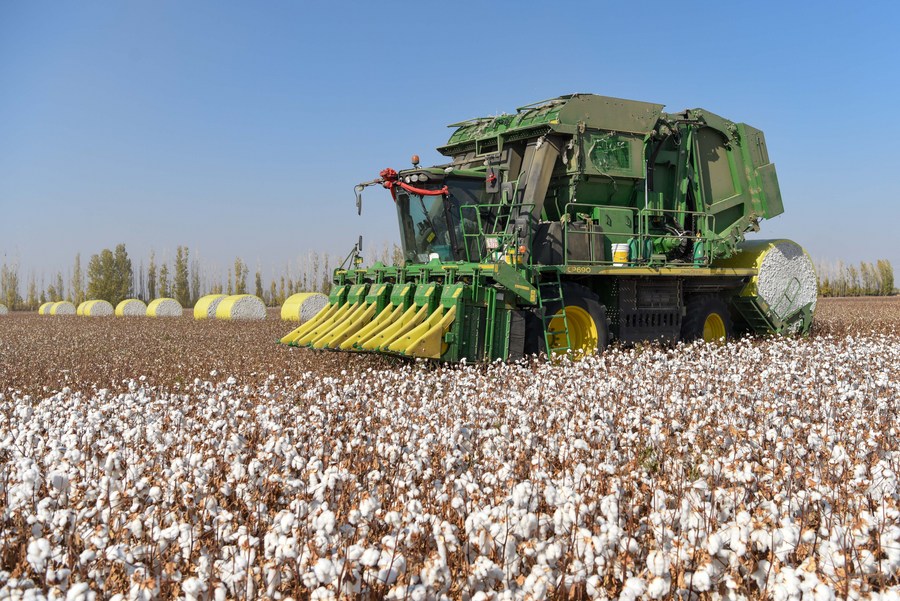
The push and pull by the West on the issue of northwest China’s Xinjiang Uygur Autonomous Region human rights took a twist on April 15 when the Better Cotton Initiative (BCI) pulled down the statement it had put up on its website in October 2020 ceasing all operations amid accusations of “forced labor”.
Apparently, the stratagem of crippling cotton production in the area did not work as envisaged. China has reiterated with sanctions of its own by isolating those that have unjustifiably called for or supported the boycott of Xinjiang’s cotton. That BCI has rescinded its statement and subsequent action shows that the pressure being exerted by the Chinese side is real.
In any case, the BCI statement really made no sense, citing the major reason for the boycott of Xinjiang cotton as a response to sanctions order issued by the U.S. Treasury Office of Foreign Assets that banned transactions with the Xinjiang Production and Construction Corps. The hand of Western-based human rights organizations was also cited by the BCI Shanghai office project manager, Liu Haoran, in an interview on the unbanning.
Ironically, the Switzerland and UK based body rated its work with cotton farmers in Xinjiang very highly. Cotton growing in Xinjiang and many other major cotton producing areas in developing countries is labour intensive, a fact that BCI conveniently refused to take into consideration when alleging forced labor. Its statement never cited any specific incidents of forced labor or other forms of human rights abuse. Most probably, BCI used the evident Chinese work ethic to make claims of hard labor.
The Initiative registered a representative office in Shanghai in May 2012 under the Swiss Trade Association, which means it should have raised a red flag much earlier for any wrongdoing by Xinjiang authorities. In any case, as the office recently alluded, there was no documentation of labor malpractices that would have been used as evidence.
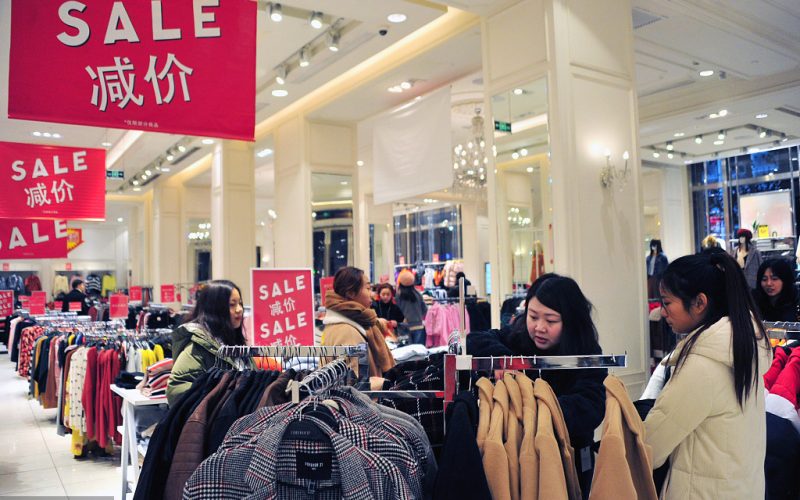
It must have realized, rather late in the day, that it cannot do without China, which closely follows India as the largest cotton producing country in the world at 24.4 and 26.1 percent, respectively. Importantly, Xinjiang produces 87.3 percent of all cotton grown in the country. BCI’s action, according to the Shanghai office, would have prevented an estimated half a million tonnes from entering the global supply chain of cotton textile production. The ripple effect of this void in the market goes beyond the cotton growing farms would have been felt in the brand houses of the U.S. and Europe.
In order to create employment for millions of farmers in developing countries, a lot of farm work is still done manually. Unlike the developed North, the South cannot afford the human cost of mechanization in some sectors that are a source of livelihoods of millions of families. Sometimes, particularly during peak season, the work requires all hands on deck in order to benefit from speed and quantity.
But who is fooling who? African countries can just laugh at the utter hypocrisy of Western nations in decrying alleged human rights against the laborers of Xinjiang cotton farms. For decades, if not centuries, the continent has suffered atrocities as Western corporations scrambled for its resources dating back to slavery and colonialism.
In modern times, one of the best examples is trade in the so called blood diamonds between African warlords and Western companies like the UK-based De Beers Group. These “conflict diamonds” were mined in war zones using hard labor and used to finance long running violent conflicts that have resulted to the death of millions of people. In mid-2020, a Human Rights Watch report “found that many companies do not know where their diamonds come from and do not do enough to ensure that human violations did not occur in the mining process.
Western oil companies have also been cited for pollution of vast areas of habitable land through leakages caused by negligence. For instance, on January 29, a Dutch appeals court ordered the Netherlands oil giant Royal Dutch Shell to compensate Nigerian farmers in the Niger Delta for environmentally damaging oil spills between 2004 and 2007.
Clearly, the Western human rights brigade and its anti-China political caucus are in an unholy alliance of weaponizing the quest for universal human dignity. But it is really sad and the height of hypocrisy for the U.S. and allies to turn a blind eye on real human rights abuses going on in other countries, particularly where it has various interests.
In any case, it should start by cleaning its own house first where tens of Americans have died already this year from civil unrest, police brutality and spiralling gun violence. It should also allow both the United Nations and the Hague based International Criminal Court to complete investigations and prosecute some of its soldiers who have been accused of gross human rights violations during wars in several countries.
Author
Stephen Ndegwa
View all posts by Stephen NdegwaLatest News




Advertisement
More on News
