Advertisement
MPs push for sweeping police reforms to restore public trust
Tuesday 05th May, 2026 08:55 PM|

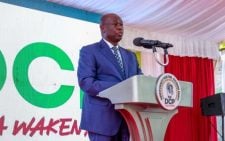
Members of the National Assembly Committee on Administration and Internal Security have called for sweeping reforms within the National Police Service, urging stronger accountability systems, improved training, and the adoption of modern technology to rebuild public confidence in policing.
The concerns were raised during a meeting between the committee and the Independent Policing Oversight Authority (IPOA) board held in Mombasa on May, 5 2026, where lawmakers warned that deep-rooted systemic weaknesses continue to undermine effective law enforcement.
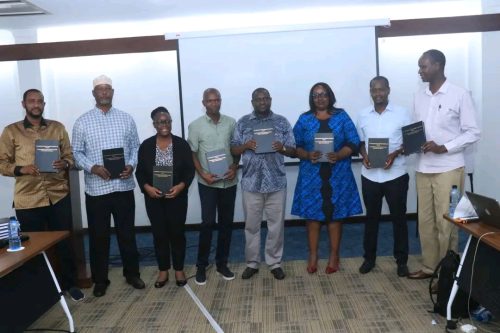
Committee Chairperson Gabriel Tongoyo said many of the challenges affecting the police service stem from administrative and policy gaps rather than legislation alone.
“Most of the issues raised are policy or administrative in nature. Training, for instance, is not entirely a legislative matter. We need clarity on the specific legal gaps that require addressing, especially in enhancing accountability for senior officers,” he said.
Spontaneous protests
You Might Also Like
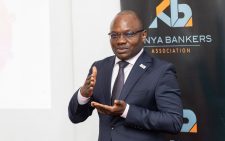
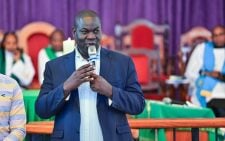
Mburu Kahangara cautioned against proposals to allow spontaneous protests without prior police notification, warning that such provisions could be exploited to escalate unrest.
“If we allow spontaneous assemblies without notification, organisers may deliberately avoid informing police and later claim protests were spontaneous, worsening the situation,” he said.
MP Peter Masara (Suna West) urged IPOA to address deeper structural and cultural issues within the police service beyond legal reforms.
“Is it only gaps in the law that make officers behave the way they do? Training systems remain outdated despite the shift to a police service. Some officers clearly should not be in service,” he said.
IPOA response
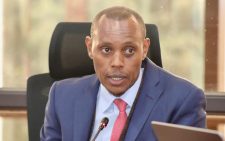
Responding, IPOA Commissioner Kenwilliam Nyakomitah attributed misconduct to poor training, weak command structures, and lack of accountability during operations.
“Officers are often deployed without clear command structures, leading to confusion and lack of accountability,” he said, adding that inadequate supervision allows unfit officers to participate in operations.
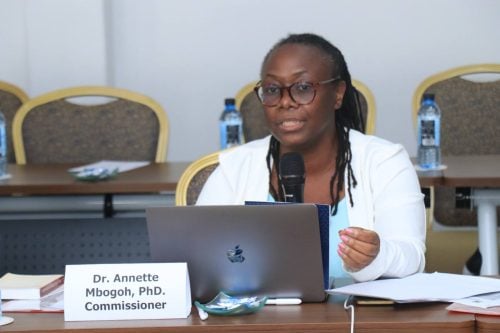
IPOA Commissioner Annette Mudola Mbogo said reforms must address both legal and institutional gaps, including welfare issues.
“We have proposed integrating oversight into police training and addressing welfare concerns such as mental health and working conditions,” she said, noting that implementation of IPOA recommendations stands at 45.2 per cent.
Deputy Director of Legal Services Festus Kinoti highlighted difficulties in investigations due to internal cover-ups, noting that the “blue code of silence” has been recognised in court findings.
Introduction of responsibility laws
He proposed introducing command responsibility laws to hold senior officers accountable where misconduct occurs under their watch.
“If a superior officer has knowledge and fails to act, there must be accountability,” Kinoti said.
Francis Sigei of Sotik also expressed concern over the slow adoption of technology such as body-worn cameras and CCTV systems, saying resistance within the service continues to delay reforms.
Author
Emmanuel Rono
Rono is a digital journalist with a proven track record in newsroom leadership and content creation. Currently a Digital Writer for People Daily Digital, Emmanuel’s career is rooted in a lifelong passion for storytelling. Let's talk here: [email protected] or [email protected]
View all posts by Emmanuel RonoLatest News

Advertisement
More on News