Media Council trains journalists on ethical mental health reporting ahead of 2027 polls
By Viola Kosome, July 7, 2026Journalists from Kakamega, Busia, Siaya and Kisumu counties have undergone training on ethical reporting of mental health issues in a move aimed at improving media coverage while promoting the wellbeing of journalists ahead of the 2027 General Election.
The workshop, held in Kakamega on June 7, 2026, brought together the Media Council of Kenya, Basic Needs Basic Rights Kenya and mental health practitioners to equip journalists with skills on responsible reporting, self-care, and adherence to the Code of Conduct for the Practice of Journalism in Kenya.
Speaking during the training, Media Council of Kenya Kisumu Regional Coordinator Evans Teddy said the programme was designed to deepen journalists’ understanding of mental health while helping them appreciate their own wellbeing as professionals constantly exposed to traumatic events.
He said journalists are not only responsible for informing the public on mental health matters but are also vulnerable to mental health challenges because of the nature of their work.
“Our responsibility is to sharpen journalists’ skills on reporting mental health issues while ensuring they understand the best practices and ethical standards required under the Code of Conduct for Media Practice in Kenya,” he said.
Teddy said the Media Council is collaborating with other stakeholders to mainstream mental wellness programmes in newsrooms across the country.
He added that as the country approaches the 2027 General Election, more capacity-building sessions will be conducted to enable journalists to assess their mental wellbeing and seek professional help whenever necessary.
He noted that the initiative will involve psychologists and mental health experts who will provide support to journalists identified as needing counselling and other interventions.
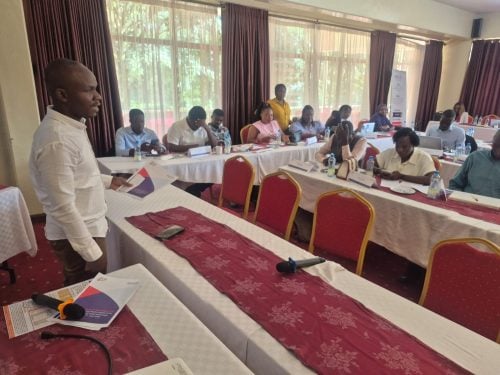
Media Council of Kenya Press Freedom and Advocacy Manager Rebecca Mutiso said media coverage has for years focused largely on the negative aspects of mental health, reinforcing stigma and discouraging many people from seeking treatment.
She said journalism plays a critical role in shaping public perceptions and can help normalise conversations around mental health by telling balanced, ethical and solution-oriented stories.
Mutiso observed that journalists frequently witness traumatic events in the course of their work and, if they fail to seek help, the emotional burden may affect both their professional performance and family life.
“Partnership with Basic Needs Basic Rights Kenya seeks to ensure journalists report mental health issues ethically while also recognising when they need professional care themselves,” she said.
Mental health awareness gaps highlighted
Basic Needs Basic Rights Kenya Communication, Advocacy and Project Officer Eugene Wanekeya said the organisation partnered with the Media Council after identifying a gap in public awareness caused by limited media coverage of mental health.
He said although many interventions are taking place in communities, the public remains largely unaware because mental health stories rarely receive adequate attention and often focus only on crises.
“Our goal is to help journalists tell more positive and informative stories that show mental illnesses can be treated and managed, allowing people to live productive lives just like anyone else,” he said.
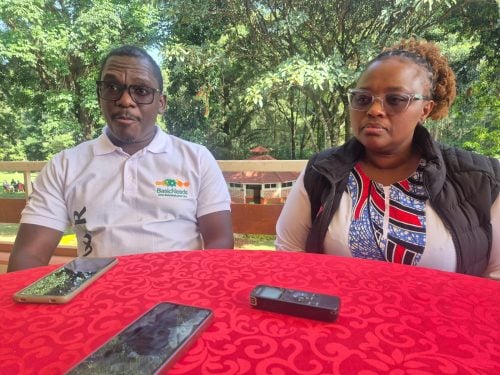
Wanekeya said the training also introduces journalists to global best practices in mental health reporting and encourages them to educate the public on recognising symptoms and seeking timely treatment.
He cited government estimates indicating that one in four Kenyans is likely to experience a mental health condition, saying the country needs more open conversations, especially as election periods often increase stress and anxiety among citizens.
He also expressed concern over the low budgetary allocation to mental health, noting that the sector receives only a tiny fraction of the national health budget despite recommendations that about five per cent be allocated to mental health services.
According to Wanekeya, Kenya loses an estimated Ksh62 billion annually in productivity due to untreated mental health conditions, arguing that increased investment would strengthen healthcare systems, improve access to treatment and reduce economic losses.
Mental health practitioner Caleb Odhiambo urged journalists to prioritise self-care to avoid burnout, depression and trauma associated with reporting distressing events.
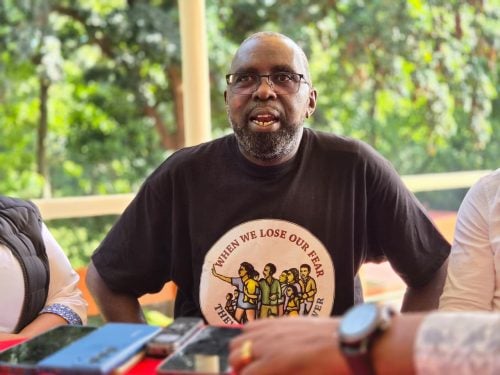
Odhiambo encouraged journalists to take regular breaks, speak openly when overwhelmed and seek professional support before stress develops into more serious mental health conditions.
“I also want to challenge media houses to establish stronger staff wellness programmes by providing counselling services, self-awareness sessions and safe spaces where journalists can unwind after covering traumatic assignments.” he said.
He noted that investing in journalists’ mental wellbeing would not only improve their quality of life but also strengthen the quality of journalism and ensure the country continues to benefit from a healthy and resilient media workforce.