Advertisement
Mbadi defends victims compensation, slams critics over River Yala atrocities
Tuesday 12th August, 2025 05:55 PM|

Treasury Cabinet Secretary John Mbadi has defended the government’s decision to compensate victims of post-election police brutality, insisting the plan is irreversible.
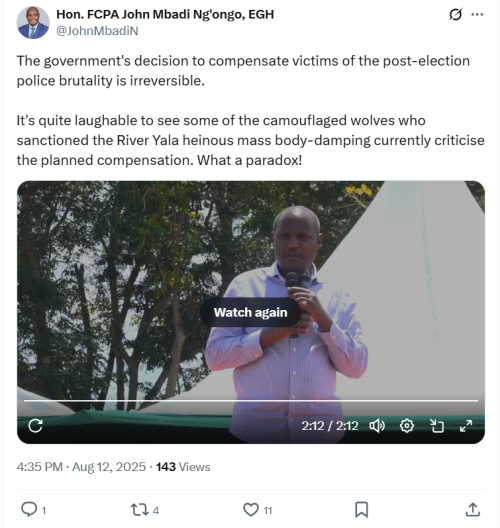
Speaking on the contentious matter on his X on August 12, 2025, Mbadi criticised opponents of the initiative, accusing some of hypocrisy for having sanctioned past state violence.
“It’s quite laughable to see some of the camouflaged wolves who sanctioned the heinous mass body-dumping currently criticise the planned compensation. What a paradox,” Mbadi said, referencing alleged state-sanctioned killings during the 2017 elections.
Constitutional backing
The CS emphasised that the decision is grounded in law, citing Article 223 of the Constitution, which allows the Treasury to allocate funds when an urgent need arises.
You Might Also Like
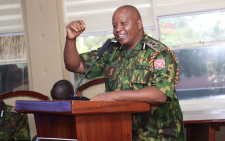
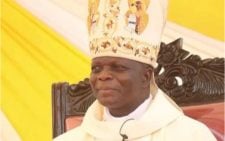
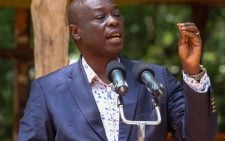
“Read your constitution in Article 223; it gives the CS Treasury, me, the power to allocate funds if a need has arisen. There is a need to compensate these people who are suffering, and I will exercise that authority,” he said.
Mbadi singled out Wiper leader Kalonzo Musyoka, who has questioned the funding source, telling him to “stop questioning where the money will come from.” He said President William Ruto had directed him to ensure funds are available to compensate victims from 2017 to date, including those maimed or who lost their lives.
Plan under presidential advisory
The compensation programme is being coordinated by President Ruto’s advisor, Makau Mutua, who described it as bold, unprecedented, and transformational for Kenya’s human rights culture. The framework targets victims from the 2017 elections onwards, with a 120-day implementation period.
However, the initiative has drawn backlash from opposition leaders. Democracy for the Citizens’ Party deputy leader Cleophas Malala accused the President of attempting to silence potential witnesses in ongoing international investigations into killings over the past year.
“You have seen him already getting scared and wanting to compensate people who died,” Malala claimed in a video on August 11. He also questioned the adequacy of the compensation, asking how much money could be enough to account for a lost life.
Independent oversight
Kalonzo Musyoka and DAP-K party leader Eugene Wamalwa have rejected the current process, calling for the Kenya National Commission on Human Rights (KNCHR) to take charge, arguing that it would ensure impartiality and transparency.
Mbadi maintained that the plan is not merely about money but also about justice and national healing. “This is something that should not be criticised. Some of the people who were killed, people who were found in River Yala, were killed during the other government. All of us are guilty in one way or another because Kenyans have suffered,” he said.
The debate continues to expose the deep political divides over justice, accountability, and the handling of historical human rights violations.
Author
Latest News




Advertisement
More on News