Matatu operators call off planned nationwide strike
By Aloys Michael, February 8, 2026Matatu operators, together with other motorists, have called off a planned nationwide strike after holding talks with the government and security agencies.
The second strike was slated for Monday, February 9, 2026.
Amid pushbacks, the action has been suspended for two weeks to allow continued negotiations and the rollout of agreed safety measures addressing insecurity and attacks on public service vehicles by rogue boda-boda riders.
In a press briefing on Saturday, February 7, 2026, Joseph Kagai of Intercorridor Mobility said the decision was reached in good faith despite some issues remaining unresolved.
“We have had deliberate engagement, and while some things are still unresolved, because of goodwill, we have agreed to suspend the Monday strike and move forward as we address the matters,” Kagai explained.
“We have suspended this strike for two weeks to allow teams to sit at the table, negotiate and iron out all the issues.”

The suspension now brings temporary relief to commuters across the country who were stranded last Monday and hit with increased fares when the Matatu owners made good their threat.
On his part, the Motorist Association of Kenya representative, Peter Murima, warned that if any other vehicle is touched, they are on standby to take action.
“This decision has been informed by the seriousness we have seen from the government that action will be taken. This is criminal, and anyone captured on camera touching a vehicle will be charged,” he said.
Moreover, Matatu Owners Association chairman Albert Karakacha confirmed that operators had agreed to give dialogue a chance.
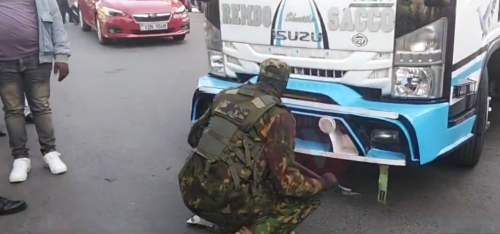
“We have suspended the strike for 14 days as we wait for the government to see how we can work together to deal with these criminals,” Karakacha said.
According to Traffic Commandant Frederick Ochieng, the consultations yielded positive outcomes, with officials now focusing on sustainable solutions to improve order in the transport industry.
“We have had very fruitful discussions with matatu stakeholders, and I have been able to share the strategy we agreed on with the boda boda sector, including self-regulation,” Ochieng said.
“We have also engaged the boda boda industry following an accident involving a matatu and a boda boda, and we will work to ensure there is a lasting solution in the transport sector.”
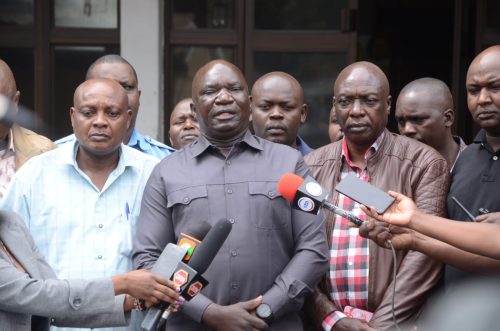
Operators grievances
Transport sector players warned the shutdown would mark the beginning of a major protest if decisive action is not taken to restore law and order on the roads, particularly following a spate of violent attacks targeting vehicles.
However, Regional Police Commander George Seda said law enforcement agencies would ensure accountability and uphold the rule of law, noting that they held a meeting and agreed on the way forward.
“Kenya is a functional state. If an accident has occurred, there are steps that must be followed. Let us stop taking the law into our own hands.”
Seda revealed that police had obtained video evidence of individuals involved in attacks on vehicles.
“Once the process is completed, they will be charged,” he said, adding that police were also working to ensure the boda boda sector operates within the confines of the law.
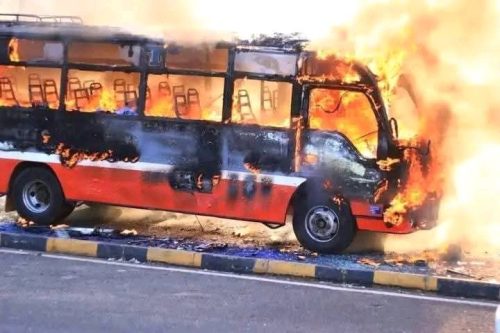
According to the operators, at least nine vehicles, including matatus, buses, trucks and private cars, have been torched by mobs within a single month. Several of the cases followed road incidents involving pedestrians or boda boda riders in areas such as Juja, Luanda in Vihiga County, and along the Thika Superhighway.
The transporters said the attacks have caused millions of shillings in losses, destroyed livelihoods and placed passengers, drivers and bystanders at serious risk, arguing that the lack of apprehension and prosecutions has encouraged further excesses by the riders.
They further warned that mob justice is increasingly replacing due process, creating fear among motorists and undermining confidence in law enforcement agencies tasked with maintaining order.
Matatu Owners Association, together with PSV operators, first declared the strike, faulting the government for failing to safeguard their vehicles even though the sector ranks among the country’s top taxpayers.
The operators said many matatus are uninsured and depend on government protection, adding that while they continue paying taxes and fuel levies that support road maintenance and other public services, their businesses remain exposed to destruction.