Advertisement
Ledama Olekina proposes relocation of Kenya’s capital from Nairobi
Thursday 28th May, 2026 08:19 AM|

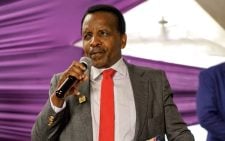
Narok Senator Ledama Ole Kina has reignited a national debate on Kenya’s capital city structure, proposing the relocation of the seat of government from Nairobi to alternative strategic locations such as Mosiro in Kajiado County or Isiolo.
In a statement shared on his X account on Thursday, May 28, 2026, the senator argued that Nairobi can no longer sustain the growing political and economic demands placed on it, warning that continued concentration of power and services in the capital is deepening congestion and slowing balanced national development.
“Nairobi cannot continue carrying the full weight of Kenya’s political and economic life. If we are serious about restoring order and unlocking real growth, we must take bold action and relocate the seat of government,” he stated.
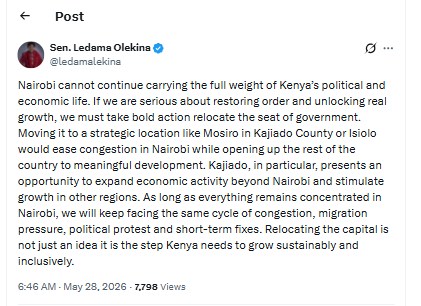
Ledama suggested that shifting the capital would ease pressure on Nairobi’s infrastructure while opening up other regions of the country to meaningful investment and development. He singled out Kajiado County, particularly Mosiro, as a viable option with potential to stimulate economic expansion beyond the capital.
You Might Also Like
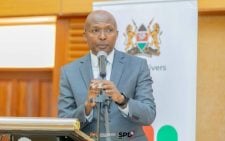
He further argued that Kenya’s current development model has over-centralised opportunities in Nairobi, creating a cycle of congestion, migration pressure, political tension, and short-term policy responses that fail to address structural challenges.
“As long as everything remains concentrated in Nairobi, we will keep facing the same cycle of congestion, migration pressure, political protest, and short-term fixes,” he added.
Concerns over governance and service delivery
The proposal comes against a backdrop of broader concerns raised by the senator over governance efficiency and the sustainability of state operations. In recent remarks, Ledama warned that delayed payments and strained support systems affecting Kenyan staff in diplomatic missions abroad could be a reflection of deeper inefficiencies within government institutions.
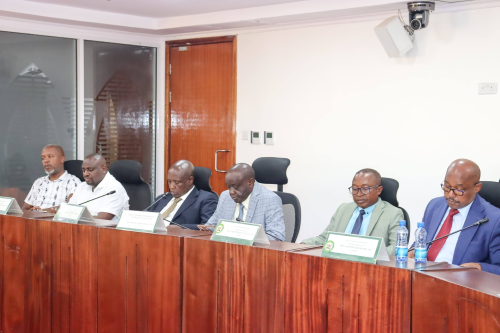
He argued that such challenges point to financial pressure and systemic weaknesses that require urgent policy attention to prevent further erosion of Kenya’s international standing.
The senator has also been vocal on wider national issues, calling for unity, economic reform, and reduced ethnic mobilisation in politics ahead of the 2027 general election.
His latest remarks now add to a growing debate on whether Kenya should consider a decentralised governance model, with some leaders advocating for structural reforms to reduce Nairobi’s dominance in political and economic affairs.
While the proposal is likely to spark further political discussion, it raises longstanding questions about equitable development, urban congestion, and the long-term sustainability of Kenya’s capital city.
Author
Latest News








Advertisement
More on News