Advertisement
KWS issues dire warning over unsafe Lake Nakuru fish
Tuesday 24th March, 2026 04:31 PM|
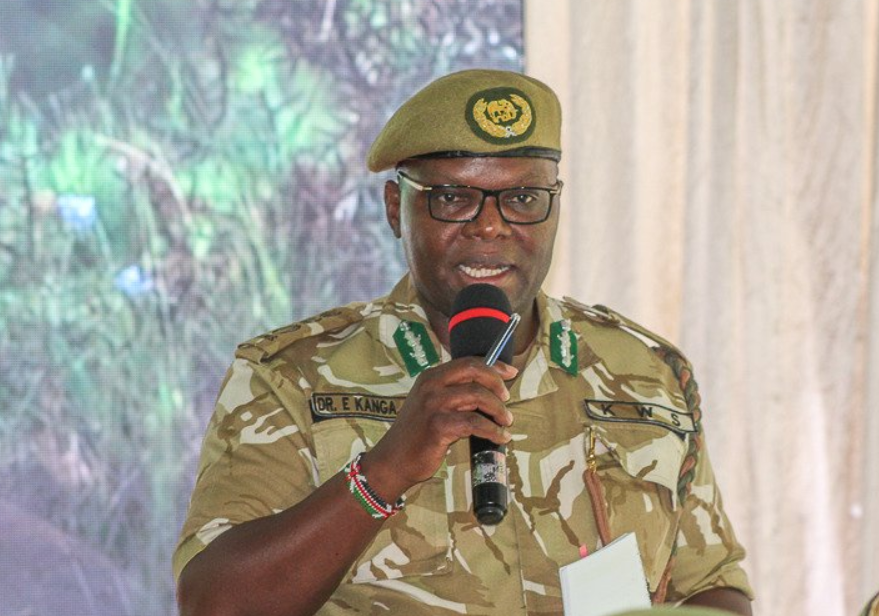
The Kenya Wildlife Service (KWS) has warned Kenyans against eating fish from Lake Nakuru, saying contaminated catch is spreading across the country and posing a serious health risk.
Erustus Kanga, General Director of KWS, told the Senate on Tuesday, March 24, 2026, that fish declared unfit for human consumption is leaving Nakuru and entering markets in Nairobi and other cities. He said officials have seen tilapia being sold.
“We are killing Kenyans,” Mr Kanga said. “Anybody who is taking tilapia in this country, unless it is reported that this tilapia is from Lake Victoria, should be wary that that tilapia is coming from Lake Nakuru. Very soon they will get into various diseases including cancer.”
Kanga told senators that the situation amounts to a national health crisis. He said the fish from Lake Nakuru has been declared unsafe because of pollution in the water. He explained that sewage seepage into the lake has contaminated the ecosystem, making organisms in the water unfit for people to eat.
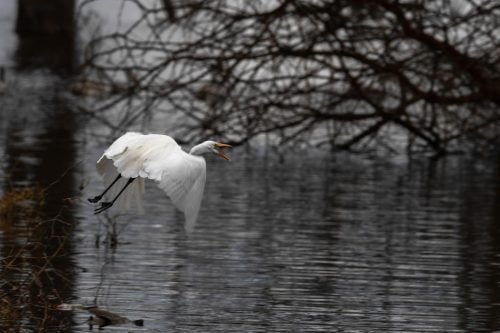
llegal fishing threatens consumers
You Might Also Like



Despite laws that ban fishing in Lake Nakuru National Park, he said illegal fishing continues. He blamed the expansion of the lake’s banks for complicating enforcement. Some people now collect fish from areas near their homes, believing they do not breach protected zones.
“Everything possible to prevent the illegal fishing has been done,” Kanga said. “However, because the lake has expanded its banks, we are seeing people collecting fish from their own homesteads. The only people that have returned from coming in are the ones that breach the boundary of the lake.”
He stressed that fish from the lake is making its way into supply chains and that consumers do not always know the origin of the fish they buy.
“People are selling poisoned fish to unsuspecting Kenyans, particularly in Nairobi and other cities,” he said. “I hope the Senate is going to take up that matter.”
Lake Nakuru National Park, a protected area that covers about 30‑60 square kilometres, is meant to be free from fishing to protect biodiversity. Kanga said enforcement efforts have been ongoing, but activists and others continue to push fish from the area into markets.
Author
Kenneth Mwenda
Kenneth Mwenda is a business, sports, and politics digital writer with over seven years of experience in journalism, covering breaking news, feature stories, and in-depth analysis across a range of beats.
For inquiries, he can be reached at [email protected]
View all posts by Kenneth MwendaLatest News







Advertisement
More on News