Advertisement
Kivutha Kibwana blames executive and legislature for failed constitutional implementation
Wednesday 27th August, 2025 09:40 AM|
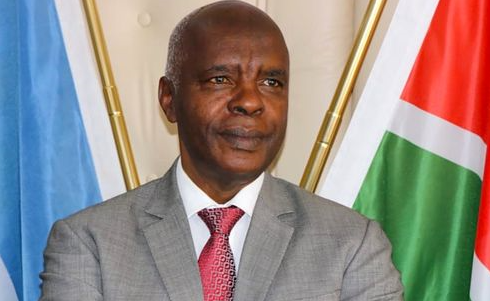
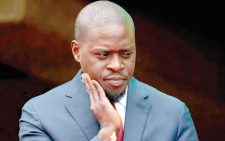
Former Makueni Governor Kivutha Kibwana has described the two arms of government, the executive and the legislature, as the weakest links in the implementation of the 2010 Constitution.
Speaking on a local radio station on Wednesday, August 27, 2025, as the nation marks the 15th anniversary of the 2010 Constitution, dubbed Katiba Day, Kibwana shared his view on the achievements of the current constitution as Kenyans mark 15 years after its promulgation.
Amid the heightened political temperatures in the country, the former governor has faulted the Presidency and the Parliament for failure to uphold the rule of law in accordance with the 2010 Constitution.
Constitutional implementation hurdles
”The executive and legislature are the weakest links in the implementation of the constitution,” Kibwana said.
You Might Also Like


Kenya’s 2010 Constitution promised a clean break with impunity through devolution, checks and balances, a justiciable Bill of Rights, and stringent integrity rules for public office. Fifteen years on, former Makueni Governor and long-time constitutional scholar Prof. Kivutha Kibwana argues that implementation has stalled.
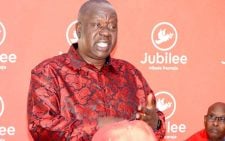
At the same time, Jubilee Party Secretary General Jeremiah Kioni has also argued that the current government could have been even worse in governance policies if not for the 2010 promulgated Constitution.
Speaking on a local radio station on Wednesday, August 27, 2025, as the nation marks the 15th anniversary of the 2010 Constitution, Kioni said Katiba Day is a watershed moment in Kenya’s history, a time to revisit the vision it carried. His view on the achievements of the current constitution comes amid public outcry against today’s government’s failure to rule in accordance with the particular historic document.
”If it weren’t for the 2010 Constitution, which we must celebrate, and which Kenyans should continue to understand how to make use of its provisions, with the kind of Executive we have today, we would be worse off than we are now,” Kioni said.
Lifeline
Kioni asserted that the Constitution provides a lifeline, but its value is only as strong as the political will and institutional integrity behind it. He also pointed to some of the Constitution’s hallmark achievements, the creation of various commissions intended to act as guardians of democracy and rights. Yet, their potential remains largely untapped.
Kenya’s constitutional architecture established independent commissions such as the IEBC (Independent Electoral and Boundaries Commission), EACC (Ethics and Anti-Corruption Commission), NRC (National Land Commission), KRHRC (Kenya National Human Rights Commission), SRC (Salaries and Remuneration Commission), and more, all central to preserving the checks and balances vital in modern governance.
“We had many constitutional commissions that were meant to be a major achievement for us as a country. But those entrusted with running them have failed us by not exercising the authority granted to them by the Constitution.”
Author
Latest News



Advertisement
More on News
