Kingi urges Parliament to enact bold laws to cut methane emissions
By Emmanuel Rono, May 15, 2026African parliaments have been challenged to enact bold legislation and strengthen oversight to tackle methane emissions as the continent intensifies efforts to address climate change and promote sustainable development.
Speaking during the opening of a regional seminar themed “African Parliaments for Climate Action: Reducing Methane, Promoting Development” on Friday, Senate Speaker Amason Kingi said lawmakers must take decisive action in confronting methane pollution.
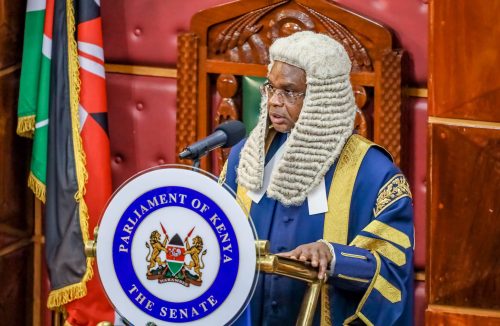
The speaker’s speech was delivered by Mohamed Faki, who chairs the Senate Committee on Lands, Environment, and Natural Resources.
Climate pollutant
Speaker Kingi described methane as a short-lived but potent climate pollutant, citing scientific evidence that it is over 80 times more potent than carbon dioxide over a 20-year period.
According to Kingi, cutting it is among the fastest ways to slow near-term warming while also tackling ground-level ozone, which harms human health and depresses crop yields.
The Speaker noted that between 55 and 65 per cent of Kenya’s methane emissions come from livestock production, according to data from the Food and Agriculture Organization (FAO). Other contributors include waste management, manure handling, and rice cultivation.
He called for investments in improved livestock feeds, adoption of better animal breeds, expansion of biogas technology, landfill gas-capture systems, and water-efficient rice-farming methods.
“Citing FAO data, the Speaker noted that roughly 55 to 65 per cent of Kenya’s methane emissions originate from livestock, with smaller shares from waste, manure, and rice cultivation. He urged investment in improved animal feeds, better breeds, biogas, landfill gas capture, and water-saving rice practices, arguing these measures could cut emissions while boosting incomes, energy access, and jobs,” statement by Parliament of Kenya read.
Climate action and regional cooperation
Kenya outlined ongoing mitigation efforts, including the installation of more than 21,000 household biogas digesters since 2009, with a target of 80,000 units to support the clean energy transition. The country is also implementing the National Cooking Transition Strategy aimed at achieving universal clean cooking access by 2028.

Additional measures include improved waste management systems to capture methane emissions, expansion of ecosystem restoration under the Presidential 15 Billion Trees initiative, and efforts to enhance livestock productivity to reduce emissions intensity.
The three-day seminar, organised by the Parliament of Kenya in partnership with the Inter-Parliamentary Union and Climate Parliament, focuses on strengthening legislative roles in climate governance, enhancing climate finance mobilisation, and promoting technology transfer across African countries.