Advertisement
Kenya’s nurses want more than applause as pressure mounts on healthcare system
Thursday 14th May, 2026 12:21 PM|

For many Kenyans, a nurse is the first face they meet in a health crisis and often the last one standing in an overstretched hospital ward.
Yet behind the compassion, resilience, and dedication celebrated during International Nurses and Midwives Day 2026 lies a profession grappling with staff shortages, burnout, stalled career growth, and mounting pressure from a healthcare system struggling to meet growing demand.
The launch of the Nurse of the Year Awards (NOYA) in Nairobi this week may have offered a rare spotlight on the profession, but it also exposed a deeper national conversation about whether recognition alone is enough for a workforce that forms nearly 70 per cent of Kenya’s healthcare system.
Crucial roles
Mary Muthoni, Principal Secretary, State Department for Public Health and Professional Standards, acknowledged the central role nurses continue to play in sustaining healthcare delivery across the country.
You Might Also Like

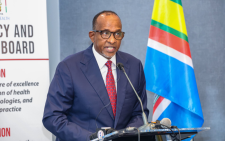

“Nurses constitute the largest proportion of the health workforce, accounting for nearly 70 per cent of all healthcare workers,” she said, noting that they remain “the first point of contact for patients” in both urban and rural Kenya.
Her remarks reflect a reality visible across the country’s hospitals and clinics. In remote dispensaries, nurses often work as clinicians, counsellors, pharmacists, and administrators simultaneously. In referral hospitals, they shoulder growing patient numbers amid limited staffing and resource constraints.
Kenya’s nursing profession has evolved significantly over the last decade. Increasing numbers of nurses are pursuing advanced education, moving into leadership positions, engaging in research, and contributing to health policy discussions. But healthcare experts warn that professional growth has not always translated into better working conditions on the ground.
At the national celebrations in Nairobi, Aden Duale, Cabinet Secretary for Health, admitted that many nurses continue to work under difficult circumstances.
“Many of our nurses and midwives continue to serve under immense pressure, understaffed facilities, heavy workloads, and profound emotional demands,” he said during his keynote address.
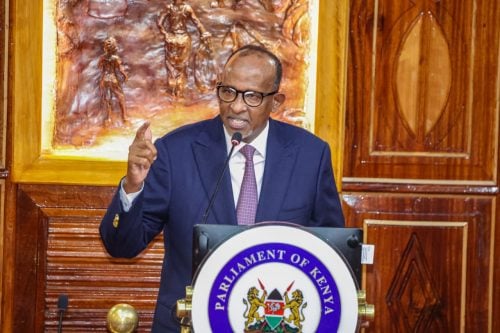
The statement marked one of the clearest public acknowledgements by government officials of the strain facing frontline health workers. It also highlighted the contradiction at the heart of Kenya’s healthcare system: nurses are increasingly recognised as the backbone of healthcare delivery, yet many still struggle with delayed promotions, short-term contracts, poor mental health support, and migration pressures.
Across Africa, wealthier countries continue recruiting trained nurses to fill labour shortages in Europe, North America, and the Middle East. Kenya has become one of the continent’s major exporters of healthcare workers, raising concerns about brain drain within already strained public hospitals.
Retention and health reforms
Health sector analysts say this migration trend reflects deeper frustrations within the profession. While many nurses pursue opportunities abroad for better pay and improved working conditions, those who remain often face increased workloads as staffing gaps widen.
The Ministry of Health now says it is prioritising reforms aimed at improving retention and professional development.
According to Mary Muthoni, Principal Secretary, State Department for Public Health and Professional Standards, the government is “working to expand and improve nursing training and professional development, enhance working conditions and ensure safe environments for practice,” while also improving “the absorption and retention of qualified nurses within our public health system.”
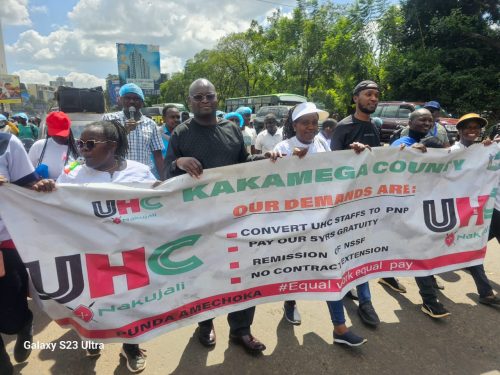
The government’s emphasis on digital health training also signals how rapidly the profession is changing. Nurses are increasingly expected to adapt to electronic medical systems, telemedicine platforms, and data-driven healthcare models while continuing to provide bedside care in overcrowded facilities.
But beyond policy reforms, many within the profession argue that public perception of nursing must also change.
For decades, nursing in Kenya has often been viewed through a narrow lens focused mainly on bedside care. Yet modern nurses are now leading specialised clinics, managing health facilities, conducting research, and mentoring future professionals. Others are venturing into entrepreneurship by establishing community-based healthcare services that help bridge gaps in underserved areas.
Aden Duale, Cabinet Secretary for Health, described nurses and midwives as “the human face of healthcare,” adding that their contribution “transcends statistics” and is “built on patience, sustained by resilience, and elevated by compassion.”
His remarks resonated with many healthcare workers who say nurses often absorb the emotional burden of an overstretched healthcare system without sufficient institutional support.
Mental health concerns among frontline workers have increasingly become part of Kenya’s healthcare debate following the COVID-19 pandemic, which exposed the psychological toll carried by medical staff working long hours under intense pressure.
Even so, nursing leaders believe the growing visibility of the profession could help inspire a younger generation to join healthcare careers at a time when Kenya urgently needs more skilled health workers.
As Kenya pushes toward universal health coverage, the future of healthcare may depend less on buildings and equipment and more on whether the country can retain, support, and empower the nurses already carrying its hospitals on their shoulders.
Author
Lavender Kusimba
View all posts by Lavender KusimbaLatest News






Advertisement
More on News