Kenyans voice fears over pricing, control as MPs hear views on Safaricom divestiture
By Cy Muganda, February 3, 2026Members of the public have raised concerns over the potential loss of government control and possible price increases following the proposed partial divestiture of the government’s shareholding in Safaricom PLC.
In a statement posted on its Facebook account on Tuesday, February 3, 2026, Parliament disclosed that the Joint-sitting of the Departmental Committee on Finance and National Planning and the Select Committee on Public Debt and Privatisation had commenced public participation at the Mavoko National Government–Constituency Development Fund offices in Machakos County, on Sessional Paper No. 3 relating to the proposed divestiture.
“Before the commencement of the session, members of the public were taken through the facts about the proposed divestiture to facilitate an informative participation,” the statement reads.
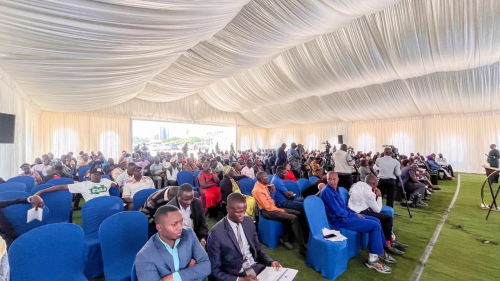
Concerns over loss of control
According to Parliament, the residents raised concerns about the impact of losing the government’s majority shareholding in Safaricom PLC, particularly regarding the pricing of the telco’s services.
They also questioned whether reducing government control in Safaricom could expose consumers to higher costs.
“Are Kenyans safe if the government loses majority shareholding in Safaricom? Are we likely to see an increase in transaction costs if foreigners gain control of the telco?” Rev Zach, a resident of Mavoko, asked.
Parliament stated that some residents urged Parliament to ensure that ordinary Kenyans are not locked out of the deal, while others proposed that a portion of the shares earmarked for sale be reserved for local investors through the Nairobi Securities Exchange.
“Why can’t Parliament make an intervention to apportion at least 5 per cent of the 15 per cent proposed to be sold to Vodafone, for purchase by Kenyans through the Nairobi Securities Exchange,” Rev Daniel Mutua submitted.
Treasury accountability concerns
While some participants backed the divestiture as a way of unlocking resources for development, questions were raised about how the proceeds would be managed.
Several residents argued that directing the funds to the National Treasury would enhance accountability.
“I support the proposed sale of the government’s stake in Safaricom since it will help accelerate infrastructure development; however, why can’t the proceeds be directed to the National Treasury rather than the proposed Fund, to promote accountability?” Ms Mutui said.

Some residents proposed that the proceeds should not only fund infrastructure projects but also support struggling sectors such as health.
“While it is a great idea to direct the proceeds of the proposed sale to infrastructure, could we also consider directing some of the money to support cancer treatment, for instance?” Mary Wanza asked.
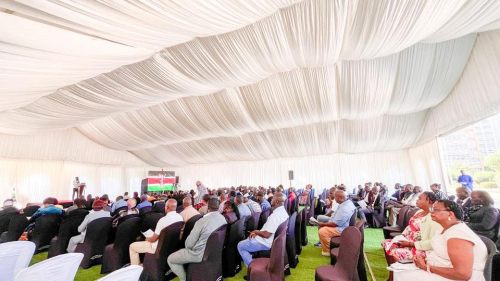
Concerns were also raised about possible job losses once the three-year employee protection window lapses, with residents calling for safeguards to protect workers if the sale goes through.
Some participants warned that Safaricom, as Kenya’s most profitable company, should be carefully safeguarded and proposed that the government instead consider privatising underperforming parastatals.