Advertisement
Kenya signs Ksh375B deal with Chinese firm to modernise JKIA after Adani fallout
Thursday 11th June, 2026 11:51 AM|
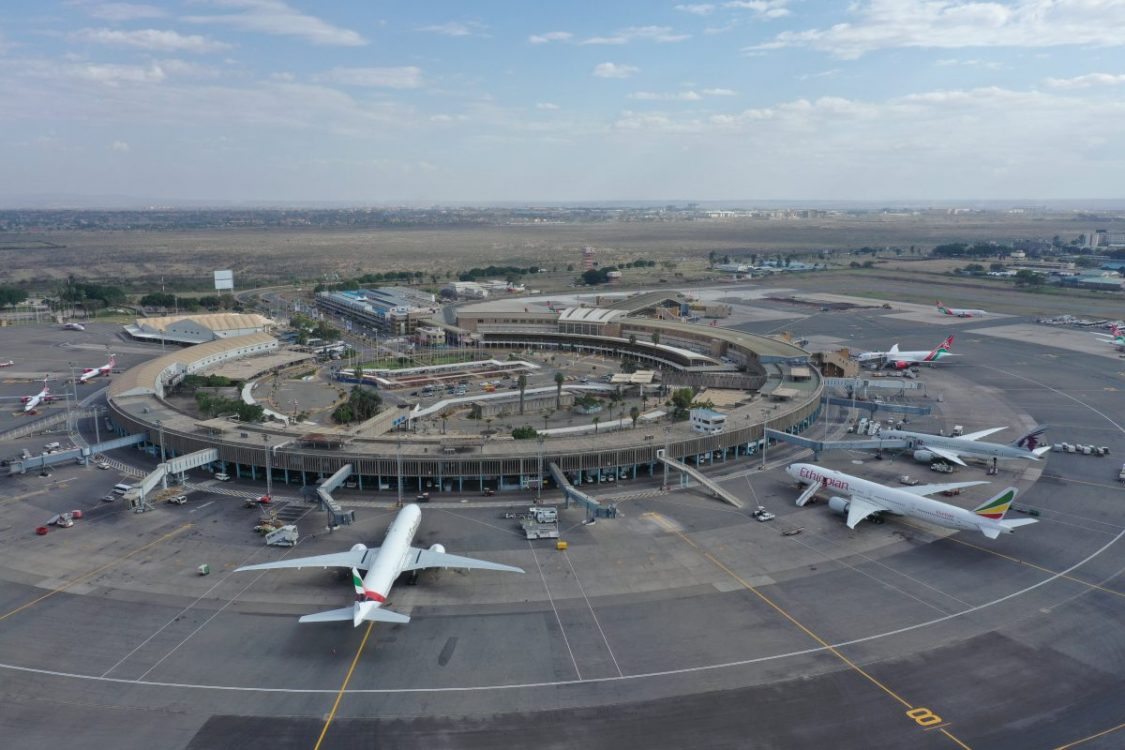
Jomo Kenyatta International Airport is set for a major facelift following the award of a Ksh375.4 billion upgrade and expansion contract to China Communications Construction Company through the National Infrastructure Fund (NIF).
The contract awarded to the Chinese state-owned firm paves the way for one of Kenya’s largest aviation infrastructure projects, with construction expected to begin this month. The government is yet to formally announce the deal publicly.
According to Bloomberg, the agreement signals a renewed push for large-scale infrastructure development involving Chinese contractors after the collapse of a planned airport concession deal with India’s Adani Group two years ago.
The project forms part of JKIA’s 20-year master plan extending to 2045, which outlines phased expansion of airport facilities, investment requirements and long-term financial projections.
You Might Also Like



Under the plan, the redevelopment will be undertaken in two phases aimed at boosting passenger capacity, modernising operations and improving service delivery.

The first phase will focus on upgrading existing infrastructure, including taxiways, passenger processing areas, access roads and airport digital systems. Once completed, the improvements are expected to increase the airport’s annual passenger handling capacity to 12 million within 18 months.
The second phase will involve extensive expansion works, including the construction of a new 4,500-metre parallel runway and a 230,000-square-metre passenger terminal. The terminal, designed in an X-shaped configuration to improve passenger movement and operational efficiency, is expected to accommodate an additional 10 million passengers annually.
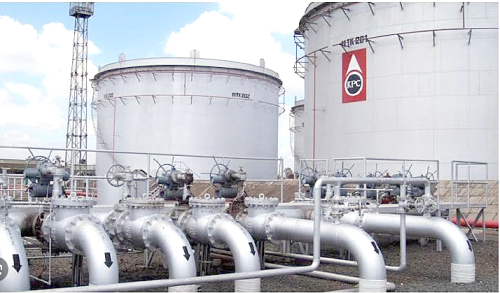
The tender award comes months after President William Ruto announced that construction would commence in June 2026 following the government’s receipt of seed capital for the NIF from the privatisation of Kenya Pipeline Company (KPC).
While the project cost has been estimated at Ksh375.4 billion, it remains unclear how the government intends to secure or bridge the remaining funding requirements, with questions lingering over the financing structure for the massive undertaking.
Chinese contractors continue to play a dominant role in Kenya’s infrastructure sector, having delivered or participated in projects such as the Nairobi Expressway, the Standard Gauge Railway, and the ongoing Rironi-Mau Summit highway expansion, among other major developments.
Author
Latest News




Advertisement
More on News