Advertisement
Kenya, Eastern Africa region listed on global drought map
Thursday 03rd July, 2025 07:20 AM|

Kenya and the Eastern Africa region continues to suffer from some of the most widespread and damaging drought events in recorded history that have taken place globally since 2020, leaving severe impacts on economic and human rights.
Over 90 million people across Eastern and Southern Africa face acute hunger, with some areas enduring their worst ever recorded drought.
The revelation was made in the Global Drought Hotspots Report, prepared by the US National Drought Mitigation Centre (NDMC) and the United Nations Convention to Combat Desertification (UNCCD), which was launched yesterday, with support from the International Drought Resilience Alliance (IDRA).
“This was the worst famine ever in one of the most vulnerable parts of the world in Eastern Africa,” said NDMC Assistant Director, drought impacts researcher and co-author of the report, Dr Kelly Helm Smith, in an exclusive interview with People Daily, accompanied by UNCCD drought specialist Daniel Tsegai.
You Might Also Like
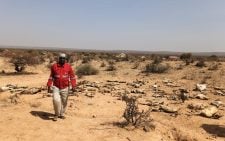
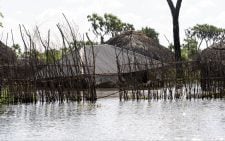
Widespread and damaging drought events in recorded history have intensified globally since 2023, fuelled by climate change and relentless pressure on land and water resources, according to the new study.
The report, released at the ongoing Finance for Development Conference in Seville, Spain, catalogues food, water and energy crises between 2023 and 2025 and provides a comprehensive account of how droughts compound poverty, hunger, energy insecurity, and ecosystem collapse, causing severe suffering and economic damage.
Gradual calamity
“Drought is a silent killer. It creeps in, drains resources, and devastates lives in slow motion. Its scars run deep,” said UNCCD Executive Secretary Ibrahim Thiaw ahead of the launch.
He explained that drought is no longer a distant threat, but one that is escalating and demands urgent global cooperation. According to Thiaw, when energy, food and water all go at once, societies start to unravel.
“This is not a dry spell,” echoed Dr Mark Svoboda, report co-author and NDMC Founding Director. “This is a slow-moving global catastrophe, the worst I’ve ever seen. This report underscores the need for systematic monitoring of how drought affects lives, livelihoods, and the health of the ecosystems that we all depend on.”
Dr Smith said that in Kenya and the Eastern Africa region, the strong El Niño climate pattern had left severe impacts on economic and human rights.
“This was a perfect storm,” she added. “El Niño added fuel to the fire of climate change, compounding the effects for many vulnerable societies and ecosystems past their limits.”
“The big takeaway from the report is that millions of people are suffering from droughts caused by warm, intense climate – everyone across the world is affected.
Dr Tsegai, who said he is particularly concerned since he comes from the region, concurred: “The economic impacts of the severe drought have been profound, especially in the climate-vulnerable countries such as those in the Horn of Africa. The systemic risks have been much more comprehensive, longer term, with a wider impact,” he said.
Global Drought Hotspots Report lead author, NDMC drought impacts researcher Paula Guastello, told People Daily that greenhouse gas (GHG) emissions caused by fossil fuels (owned by people outside the most affected countries) had contributed to global warming and drought.
They have also led to a drop in hydropower generation. However, some countries had responded to drought impacts with strong mitigation measures.
“Kenya, for example, has improved in its drought resilience by investing in renewable sources of energy – solar, wind and geothermal energy. Solar energy, though, is expensive, especially in the initial capital investment due to the high cost of equipment such as solar panels. So, this is an issue which needs to be addressed since renewable energy has great potential in Africa”.
Severe drought has left a major impact on food security across the African continent. Southern Africa, already drought-prone, was devastated, with roughly one-sixth of the population (68 million) needing food aid in August 2024.
In Ethiopia, Malawi, Zambia and Zimbabwe, maize and wheat crops have failed repeatedly. In Zimbabwe alone, the 2024 corn crop was down 70 per cent year on year, and maize prices doubled while 9,000 cattle died of thirst and starvation.
In Somalia, the government estimated 43,000 people died in 2022 alone due to drought-linked hunger. As of early 2025, 4.4 million people – a quarter of the population – face crisis-level food insecurity, including 784,000 expected to reach emergency levels.
“This was the worst drought in the Horn of Africa, especially in Kenya and Somalia, thousands of people dying of hunger, 1.7 million children were malnourished, livestock populations perished, and school dropouts,” says Tsegai.
“Preparedness is a necessity through international and regional cooperation on drought resilience in a more sustainable manner,” he adds.
To curb the impacts of drought on food security, Tsegai calls for the reform of agricultural practices through policy measures such as the promotion of agroforestry, water storage and increased research on and growing of indigenous crops such as cassava and yams.
The cost of water mismanagement and land degradation, the economic costs, are enormous, as is the cost of inaction, reflected in the human impacts and wildlife loss.
Zambia suffered one of the world’s worst energy crises as the Zambezi River in April 2024 plummeted to 20 per cent of its long-term average. The country’s largest hydroelectric plant, the Kariba Dam, fell to 7 per cent generation capacity, causing blackouts of up to 21 hours per day and shuttering hospitals, bakeries, and factories.
The 2023–2024 El Niño event amplified already harsh climate change impacts, triggering dry conditions across major agricultural and ecological zones. Drought’s impacts hit hardest in climate hotspots, regions already suffering from warming trends, population pressures, and fragile infrastructure.
Most vulnerable to the effects of drought are women, children, the elderly, pastoralists, subsistence farmers, and people with chronic illness. Health risks include cholera outbreaks, acute malnutrition, dehydration, and exposure to polluted water.
The report highlights in particular the disproportionate toll on women and children. In Eastern Africa, forced child marriages more than doubled as families sought dowries to survive.
Though outlawed in Ethiopia, child marriages more than doubled in frequency in the four regions hit hardest by the drought. Young girls who marry can bring their family income in the form of a dowry while lessening the financial burden of providing food and other necessities.
In Zimbabwe, entire school districts saw mass dropouts due to hunger, costs, and sanitation issues for girls.
TOMORROW: How Report looks at the ripple effects, economic cost of droughts
Author
Alberto Leny
View all posts by Alberto LenyLatest News








Advertisement
More on News