KEMRI: Kenya has capacity and personnel to test and diagnose Ebola virus
By Ndiritu Wanjiru, June 3, 2026The Kenya Medical Research Institute (KEMRI) has confirmed that Kenya has the capacity, infrastructure, and trained personnel required to test and diagnose the Ebola virus.
Speaking in an interview with a local TV station on Wednesday, June 3, 2026, Victor Ofula, who is a senior research scientist at KEMRI, said the country has invested significantly in laboratory systems and human resource training, enabling it to detect and diagnose the virus when necessary.
“We have the capacity and personnel to test and diagnose Ebola. We have about six laboratories in Kenya that have the capacity to test for this virus,” Ofula said.
He explained that Ebola is classified as a highly dangerous pathogen that requires specialised containment facilities for safe handling and testing.
“Not all laboratories can test for this virus because this is what we call a BSL-3 or BSL-4 pathogen. Only laboratories that are designated and designed for such work can test for Ebola, and we have about six of them in the country,” he added.
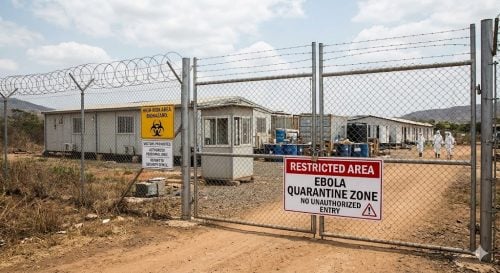
The scientist noted that while Ebola testing requires highly specialised infrastructure, Kenya has, over the years, developed the necessary expertise to conduct the tests and respond effectively in the event of an outbreak.
Kenya’s professional skills
According to Ofula, the country currently has more than 40 professionals who have been specifically trained in Ebola testing and diagnosis. He added that these experts have continuously transferred skills to other health workers, further strengthening the country’s preparedness.
“When somebody asks whether we have the capacity to test for Ebola, the answer is yes. Right now in the country, we have more than 40 people who are trained because we continue passing on the skills to other people. So we have the capacity to test,” he stated.
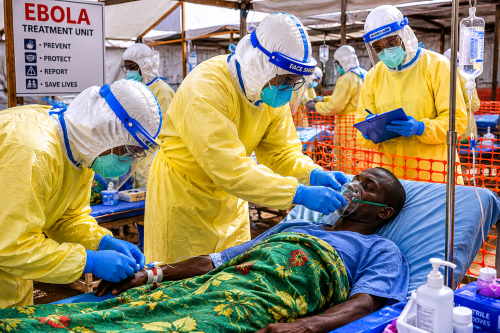
His remarks come at a time when concerns have been raised over Kenya’s readiness to handle infectious disease outbreaks, particularly following recent public discussions surrounding the establishment of an Ebola treatment and quarantine facility in the country.
The health expert has maintained that preparedness measures, including laboratory capacity, trained personnel, surveillance systems, and treatment facilities, are critical in preventing the spread of infectious diseases and protecting public health.
Ofula emphasised that Kenya’s laboratory network and trained workforce place the country in a strong position to detect and respond to Ebola cases should they arise, underscoring the importance of continued investment in disease surveillance and outbreak preparedness.