Karen Nyamu proposes Ksh5M fine in bill seeking to regulate AI use
By Ndiritu Wanjiru, March 30, 2026Nominated Senator Karen Nyamu has proposed the creation of an office of the Artificial Intelligence Commissioner to regulate the growing use of AI in Kenya in a bill that imposes penalties of a fine of up to Ksh5 million, a jail term not exceeding two years, or both for non-compliance.
Speaking in an interview with a local TV station on Monday, March 20, 2026, Karen said that under the proposed Artificial Intelligence Bill, 2026, the commissioner will be appointed by the president and approved by Parliament, with powers to inspect AI systems, summon individuals, and access records or data upon notice. The office will also develop ethical guidelines, classify AI systems based on risk, and issue enforcement notices.
“Ksh5 million is very little money. We’re not after the Ksh5 million; we are after deterring individuals from going against the provisions of the bill. We are thinking of how we can even find them heavier,” Karen said.
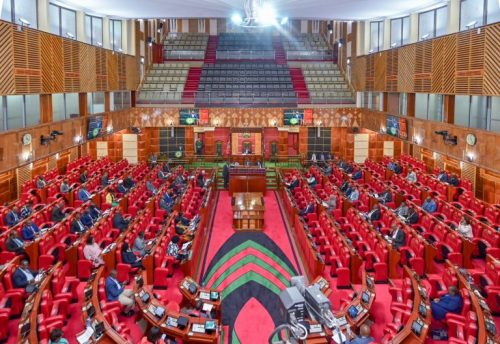
The Bill further establishes an advisory committee comprising representatives from the ICT Ministry, the Office of the Data Protection Commissioner and the National Commission for Science, Technology and Innovation, alongside members from county governments, the private sector and civil society.
The proposal comes amid increased adoption of AI across sectors, including manufacturing, media, transport and hospitality, raising concerns over the lack of a regulatory framework.
The proposal introduces stiff punishment for people who abuse AI systems. Anyone found guilty of using artificial intelligence to produce misleading or harmful content could face a fine of up to Ksh5 million, imprisonment, or both.
According to the bill, the commissioner would have the power to investigate complaints, impose penalties, and require companies to make changes to the way their algorithms function.
Bill aims to protect individuals from automated decision-making
The bill also introduces criminal liability for individuals or organisations that generate or distribute AI material using someone else’s image, voice, or likeness without permission. Such content would be considered unlawful where it leads to misinformation, harm, defamation, or violation of privacy.
The proposed legislation also introduces protections for individuals affected by automated decision-making. Citizens would be entitled to human review of such decisions, the opportunity to express their views, and the right to challenge outcomes produced by AI systems.
This would apply to situations where automated systems influence important decisions, such as employment screening, loan approvals, welfare support, and insurance assessments.
The Bill further requires companies deploying AI systems to clearly explain how the technology operates. They must disclose the system’s purpose, its limitations, and the extent to which decisions are made automatically.
They must also explain the measures taken to identify and address bias within the system. Failure to provide this information would attract penalties of up to Sh1 million.
The artificial intelligence commissioner would also be tasked with investigating harms linked to AI systems, including discrimination, bias, and violations of individual rights.