Advertisement
It baffles Kenyans are dying of hunger
Wednesday 13th April, 2022 12:00 AM|
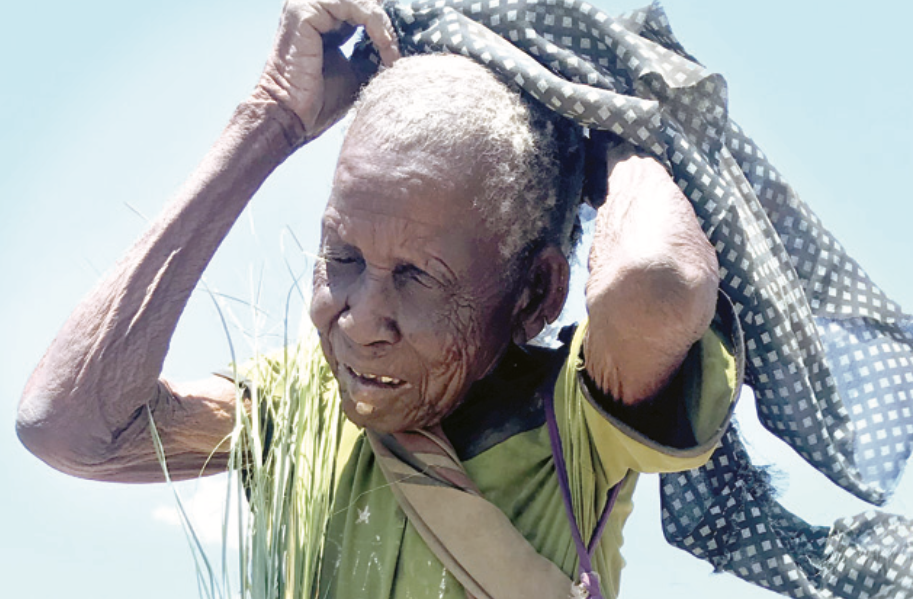
It is depressing that more than 3.5 million Kenyans are facing starvation. Drought has become an annual ritual in the country and taking pictures flagging relief food is seen as a panacea.
Year in year out, the country has been told of the many people and livestock dying as a result of lacking food and clean water. Temporary measures such as food donations and rallying calls have always been the simple solution.
The government and donor agencies have always come up with ideas and initiatives to end this malaise but it seems it has always been for the cameras. There are government departments formed to address this problem. Research has always been presented on new varieties of food that are drought resistant, water projects initiated to combat drought.
Unfortunately, none seems to work. So, what is the problem? The government’s pet project Galana Kulalu was dubbed the silver bullet to ending food shortage; it did not materialise in spite of the billions spent on it. Poor planning and lack of foresight, corruption and a cavalier attitude towards the regions that feel the pinch, most are to blame.
We call to account the government and the specific national agencies tasked with drought and disaster management, to stop sitting on their hands. They should be at the forefront to address such issues and not wait until it is too late to save the Kenyan people.
It is a shame that we make a ceremony out of disbursing foods to the needy when the time and money can be used to make the life of a hungry Kenyan better. How does the government sit and hope that it rains?
We must also keep in mind the messages from experts that the situation could be worse in the coming months. The relevant stakeholders should heed this call and ensure they prepare in advance.
While there have been concerted efforts to bring on board various stakeholders including the private sector and the media to mitigate the current situation, the only solution to the perennial problem is long-term planning. Kenya is 80 per cent arid, which means programmes to address the challenges that come with this must be in place for both short term and long term.
We must act now to save Kenyan lives and empower them to be resilient, protect our environment from ravages of drought that may impact on its arability, and make our country more food secure.
Author
Editorial.Team
View all posts by Editorial.TeamLatest News








Advertisement