Advertisement
Inside state’s tough new measures to curb gambling
Saturday 02nd August, 2025 12:40 AM|
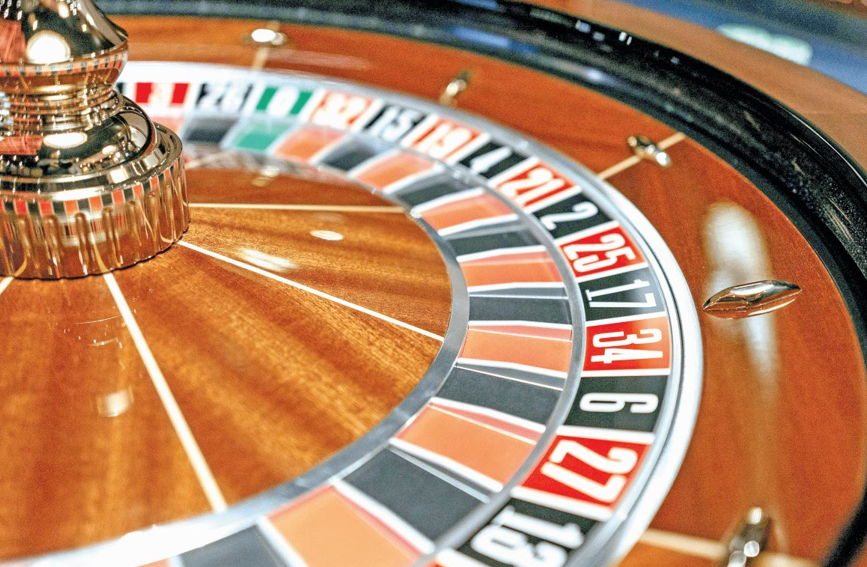
The government has formulated tough rules to deal with gambling, which, if assented to, will stop the use of celebrities and public vehicles to promote gambling.
The mediated version of the Gambling Control Bill also requires advertisers to indicate the addictive nature of gambling, include clear messages prohibiting children from participating in the activity, and ensure deceptive messages are not used to encourage participation.
Those who contravene the provisions will be liable to a fine not exceeding Ksh20 million or imprisonment for up to 20 years.
The bill provides that celebrities may only be used in advertisements with express authority granted by the Gambling Regulatory Authority of Kenya, which will take over from the Betting Control and Licensing Board once the bill becomes law.
You Might Also Like


The authority will be empowered to regulate and control gambling activities, issue licences, monitor the implementation of gambling policies at both national and county levels, and develop standards and norms for betting, lotteries, casinos, and other forms of gambling.
Reads the bill: “A person who contravenes the provisions of this section commits an offence and shall, on conviction, be liable to a fine not exceeding twenty million shillings or to imprisonment for a term not exceeding twenty years, or to both.”
The bill, which was passed by the National Assembly, will also require advertisers to notify players to gamble responsibly, prohibit the erection of advertisement billboards near learning institutions, ban broadcasting of gambling ads on television or radio between 6 am and 10 pm (unless during live sporting events), and mandate that 20 per cent of aired advertisements promote responsible gambling.
Public placards
It also prohibits the promotion of gambling through electronic or other forms of communication by anyone advertising or promoting such activities without approval, including any public placards intended to entice the public.
Additionally, the bill bans gambling advertisements through organising, promoting, or sponsoring sporting events, trade fairs, exhibitions, shows, cultural, artistic, recreational, educational, or entertainment programmes, or any other events.
It also prohibits the public display of any written or printed notice related to games of chance.
To ensure compliance with these new rules, the Cabinet Secretary in charge will be required to draft regulations specifying the circumstances under which national lotteries and licensed gambling activities may be advertised, what information must be included, and the locations and manner in which signage may be displayed.
Other provisions include conditions requiring advertisements to be published only to specific audiences, inclusion of mandatory wording in ads, prohibition of certain content or placement in certain publications or media, and approval of content by the Authority.
Leader of the Majority in the National Assembly, Kimani Ichung’wah, said there is an urgent need to regulate the gambling industry.
He said: “Betting has become a menace in our society, contributing to rising delinquency among our youth. This vice must be curbed, and the betting industry strictly regulated to protect our youthful, energetic, and innovative generation from destruction.”
Funyula MP Wilberforce Oundo lamented that a section of the population has turned gambling into a profession.
He said: “Some have, so to speak, turned gambling and betting into a means of laundering illicitly acquired money. I just hope and pray that the provisions of this Bill will address this particular challenge.”
Dagoretti North MP Beatrice Elachi proposed that the minimum amount for placing a bet should be Sh50 to discourage youth from engaging in the activity.
She said: “The minimum amount to place a bet should be Sh50 so that we discourage young people from engaging in it, because getting Sh50 is a bit hard. It’s like these people are so powerful that they can convince the government until a bill is shaped into what they want. What we are doing to our young people is wrong. Another issue is depression—many have died because of it.”
She added: “This is what I want to tell the President today—you are a President who believes in the Bible, and you know what’s good and what’s bad for the country. We need to build an age limit on gambling in Kenya. Just like we’ve done with alcohol, that 21-year age limit should also apply to gambling.”
Seme MP James Nyikal also emphasised the need for an age limit to deter young people from participating.
He said: “We must put an age limit on gambling and impose sanctions on operators who allow young people to gamble. Secondly, set a limit on how much one can gamble so that we try to cut it away from young people.”
False statements
The bill has also proposed a number of penalties and fines to be imposed on advertisers and promoters who fail to comply with its provisions.
According to the bill, anyone who makes a false statement in an application for the issuance or renewal of a licence or permit, transfers a licence without the authority’s approval, or fails to submit required financial statements will be liable upon conviction to a fine not exceeding Sh1 million or imprisonment for up to one year, or both.
Conducting any form of gambling without a valid licence will attract, upon conviction, a fine not exceeding Sh3 million or imprisonment for up to three years, or both, for a first offence; and up to Sh5 million or five years’ imprisonment, or both, for subsequent offences.
Reads the bill: “A person who prints, publishes, or causes to be printed or published an advertisement or any notice relating to an unauthorized lottery, or relating to the sale of a ticket or chance in any such lottery, commits an offence and shall be liable upon conviction to a fine not exceeding one million shillings or to imprisonment for a term not exceeding one year, or to both.”
In the case of children, anyone who bets with a child, employs a child in licensed betting premises or in connection with a pool betting scheme, receives or negotiates a bet through a child, or sends any betting-related communication to a child, commits an offence and shall be liable upon conviction to a fine not exceeding Ksh1 million or imprisonment for up to one year, or both.
Author
Mercy Mwai
View all posts by Mercy MwaiLatest News






Advertisement
More on News