Advertisement
Inside, MPs push for stronger enforcement of Disability Act
Monday 13th April, 2026 05:05 PM|
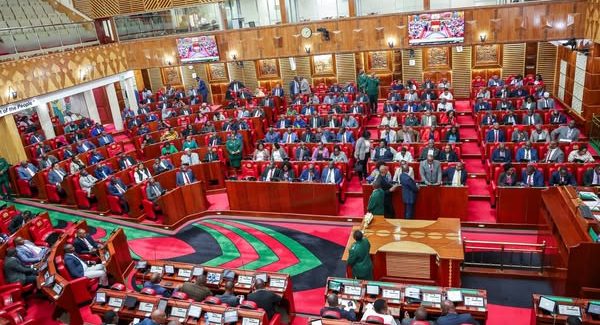
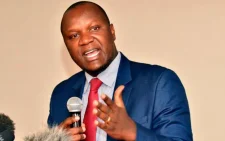
Nominated MP Harold Kipchumba has rallied stakeholders to push for stronger enforcement mechanisms in the implementation of the Persons with Disabilities (PWD) Act, 2025, warning that legal progress alone is not enough without accountability.
Speaking during a virtual panel discussion hosted by the Centre for Parliamentary Studies and Training (CPST) on Monday, April 13, 2026, Kipchumba said Kenya risks failing persons with disabilities if institutions continue to treat inclusion as a formality rather than a binding obligation.
He noted that while Parliament has already enacted the PWD Act, 2025, the country still lacks a clear and robust framework to ensure compliance across government institutions and agencies.
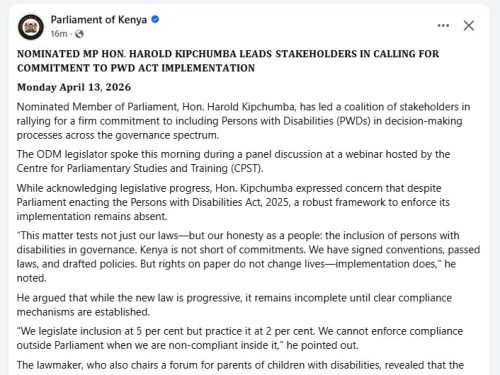
“This matter tests not just our laws, but our honesty as a people: the inclusion of persons with disabilities in governance. Kenya is not short of commitments. We have signed conventions, passed laws, and drafted policies. But rights on paper do not change lives; implementation does,” Kipchumba noted.
Establish all mechanisms
You Might Also Like

He argued that while the new law is progressive, it remains incomplete until clear compliance mechanisms are established.
“We legislate inclusion at 5 per cent but practice it at 2 per cent. We cannot enforce compliance outside Parliament when we are non-compliant inside it,” he added.
Kipchumba, who also chairs a forum for parents of children with disabilities, revealed that the Kenya Disability Parliamentary Association (KEDIPA) has already engaged the Speaker of the National Assembly to advocate for a dedicated oversight body.
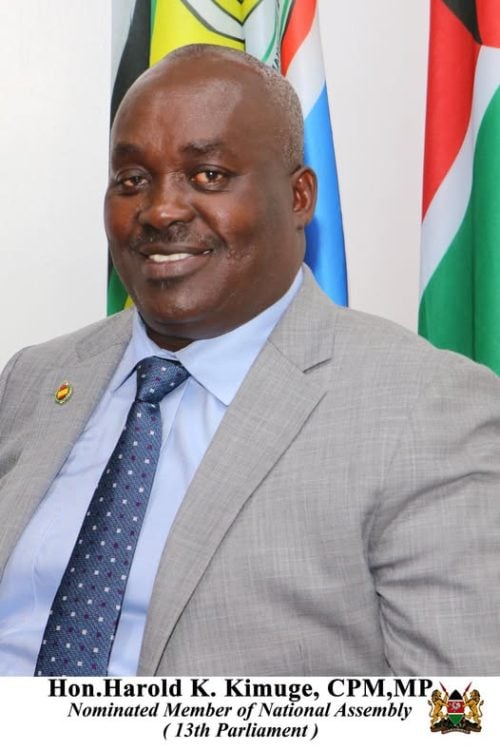
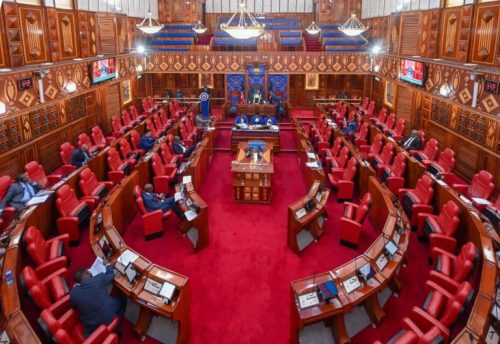
“As KEDIPA, we recently approached the Speaker to push for the establishment of a Disability Inclusion Committee to oversee MDAs on disability inclusion,” the lawmaker revealed.
Proposed amendments
The lawmaker also proposed amendments to the law to introduce punitive measures for institutions that fail to comply with disability inclusion requirements, as well as the creation of designated parliamentary seats for persons with disabilities.
“We need to amend the law to introduce punitive measures for non-compliance because compliance without consequences is compliance without commitment. Secondly, I propose that we create designated seats for persons with disabilities, because you cannot achieve 5% representation through a system designed to dilute it”, he submitted.
The forum also amplified the need to address the underrepresentation of persons with psychosocial, intellectual, and neurodevelopmental disabilities who continue to face stigma based on the medical and pathologizing model of disability.
Participants highlighted that perhaps if the demographic was brought together, it could make disability inclusion more feasible. Participants also called for fresh data to be collected to ascertain the real statistics of people with disabilities. They also called for meaningful engagement rather than one meant to tick boxes.
“When it comes to meaningful inclusion, Parents and Caregivers of Persons with Disabilities should not just be invited to comment after a policy is drafted, but they should be included in the room when priorities are set. They should have real power in planning, budgeting, and monitoring”, Redempta Mbugua, a participant, noted.
Author
Emmanuel Rono
Rono is a digital journalist with a proven track record in newsroom leadership and content creation. Currently a Digital Writer for People Daily Digital, Emmanuel’s career is rooted in a lifelong passion for storytelling. Let's talk here: [email protected] or [email protected]
View all posts by Emmanuel RonoLatest News


Advertisement
More on News