Inside KEMRI’s move to integrate herbal medicine into healthcare in Elgeyo Marakwet
By Eric Mutai, March 21, 2026Elgeyo-Marakwet County is set to become a key centre for herbal medicine research following a new partnership with the Kenya Medical Research Institute (KEMRI)
aimed at integrating traditional remedies into the country’s healthcare system.
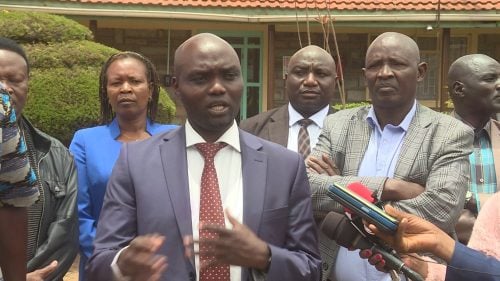
The collaboration was announced after a high-level meeting between Governor Wisley Rotich and a KEMRI delegation led by Acting Director General Prof. Elijah Songok on Thursday, March 19, 2026, and seeks to improve treatment options for chronic illnesses, including cancer.
“Our goal is to integrate traditional medicine into mainstream healthcare,” Prof. Songok stated. “Through extensive research, we have identified Elgeyo-Marakwet as one of the most suitable regions where medicinal plants thrive.”
KEMRI researchers have documented more than 140 medicinal plant species in the county, underscoring its rich natural resources. Out of these, six plant species have
been prioritised for scientific studies targeting cancer treatment.
The institute has already developed six potential anti-cancer herbal drugs, which are expected to undergo pilot testing in referral hospitals starting in July 2026. Clinical trials will be conducted at Iten County Referral Hospital to assess the safety, effectiveness, and correct dosage of the treatments.
Ministry of Health 2028 plan
The initiative aligns with a national plan announced by Health Cabinet Secretary Aden Duale to integrate traditional medicine into Kenya’s healthcare system by 2028.
The plan focuses on policy recognition, regulation, quality assurance, and research to ensure herbal products meet modern medical standards. Governor Rotich welcomed the partnership, describing it as a major step in recognising indigenous knowledge.
“Since time immemorial, our people have relied on traditional medicine, especially in treating chronic illnesses like cancer,” he said. “This initiative ensures that such knowledge is scientifically validated and safely incorporated into our healthcare system.”
He added that the programme will also help address healthcare access challenges in rural areas, where conventional treatment can be costly or limited. Beyond healthcare, the partnership is expected to create economic opportunities for local communities.
Farmers will be trained and supported to grow medicinal plants identified by KEMRI, providing an alternative source of income.
“We are exploring sustainable ways to engage our farmers in cultivating these medicinal plants,” Rotich said. “This will not only support conservation efforts but
also improve household incomes.”
KEMRI is working with the Kenya Forest Service and community groups to establish nurseries, including one in Msekekwa, Keiyo North, to supply seedlings to farmers.
Experts say the integration of traditional medicine into formal healthcare could expand treatment options and make services more culturally relevant.
If successful, the programme could serve as a model for other counties and position Kenya as a regional leader in herbal medicine research and development.