Advertisement
Inside EACC’s fresh plan to curb forging of academic certificates
Wednesday 25th February, 2026 09:04 AM|
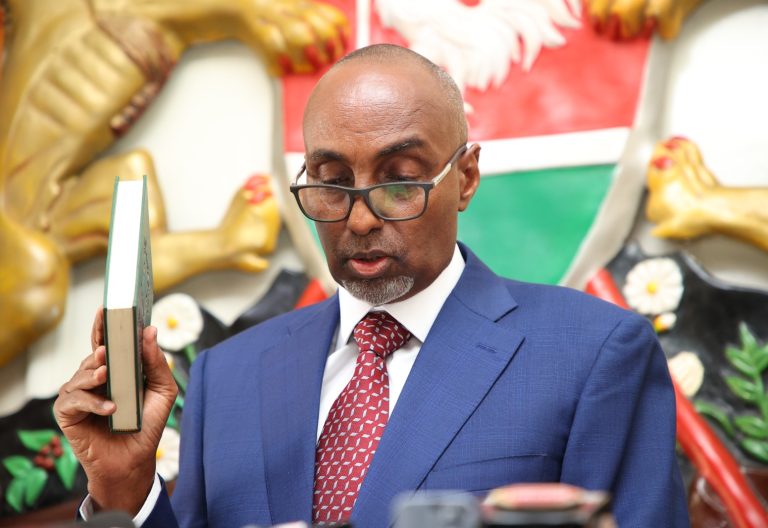
The Chief Executive Officer of the Ethics and Anti-Corruption Commission (EACC), Abdi Ahmed Mohamud, has presented an innovative initiative that will address the problem of corruption on a fundamental level.
According to the CEO, there are strategies to set up a specialised organ that will authenticate academic and professional certificates, besides monitoring how the school and professional programmes incorporate ethics and integrity.
In an interview on a local radio station on Wednesday, February 25, 2026, Abdi Mohamud stated that the relocation follows increasing alarm about the incidence of bogus credentials in the workforce, which the EACC attributes to being one of the facilitators of corruption.
“To tackle corruption at its roots, we have established an organisation focused on verifying certificates and overseeing curriculum development. By ensuring integrity in education and professional qualifications, we aim to prevent fraudulent practices early,” he stated.
You Might Also Like



“Every individual, students, educators and professionals alike, has a critical role to play in this ongoing fight against corruption. If the constitution allows politicians to sit in office even after being charged with corruption, there’s nothing any constitution can do,” the CEO added.
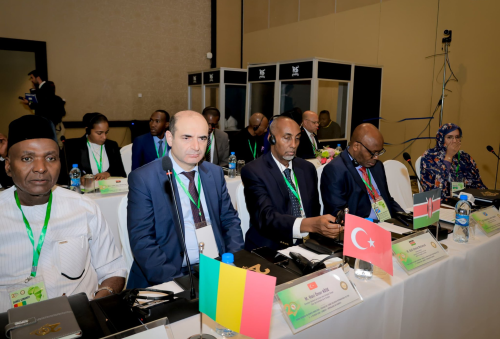
The EACC CEO clarified that fake certificates and exaggerated credentials do not just undercut meritocracy but also enable unqualified people to take up power and authority positions and pose systemic risks to governance and the confidence of the populace.
Agency aims to seal corruption loopholes
The proposed agency aims at sealing loopholes that enable fraudulent qualifications to be passed on by authenticating certificates and credentials before their acceptance to be employed or registered. He also contended that the action is mandatory so that both the government and non-governmental bodies maintain maximum integrity standards.
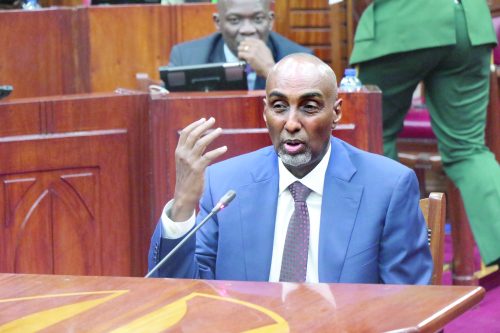
The EACC, via its boss, emphasised that it aims to work together with educational institutions to inculcate ethics, integrity, and anti-corruption awareness within curricula. The commission believes that bringing up these principles early in the learning process will produce a generation of citizens and professionals who are aware of the ethical consequences of their choices and are not prone to corrupt practices.
Author
Latest News








Advertisement
More on News
