Advertisement
IMF favouring wealthy nations at the expense of poor countries – Ruto
Wednesday 24th September, 2025 08:12 PM|
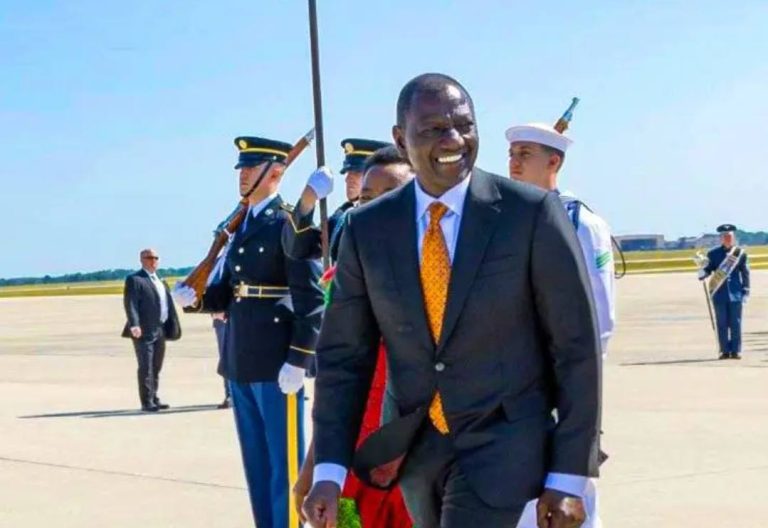
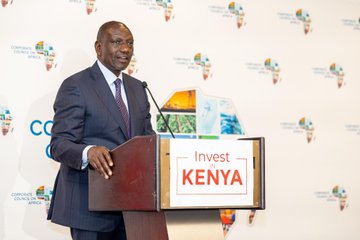
President William Ruto has criticised the IMF and World Bank for biased lending practices that favour wealthy nations over poorer countries.
While speaking during the United Nations General Assembly on Wednesday, September 24, 2025, Ruto said the IMF was originally tasked with upholding the gold standard exchange rate system, while the World Bank was established to finance Europe’s reconstruction.
He noted that although both institutions have since evolved into development finance organisations, their structures, decision-making, and governance remain dominated by wealthy nations.
According to Ruto, the global context is now vastly different. He pointed out that the gold standard collapsed five decades ago and Europe has long been rebuilt, yet the governance of these institutions has not kept pace with the realities of a multipolar world, particularly the needs of poor and developing nations.
You Might Also Like
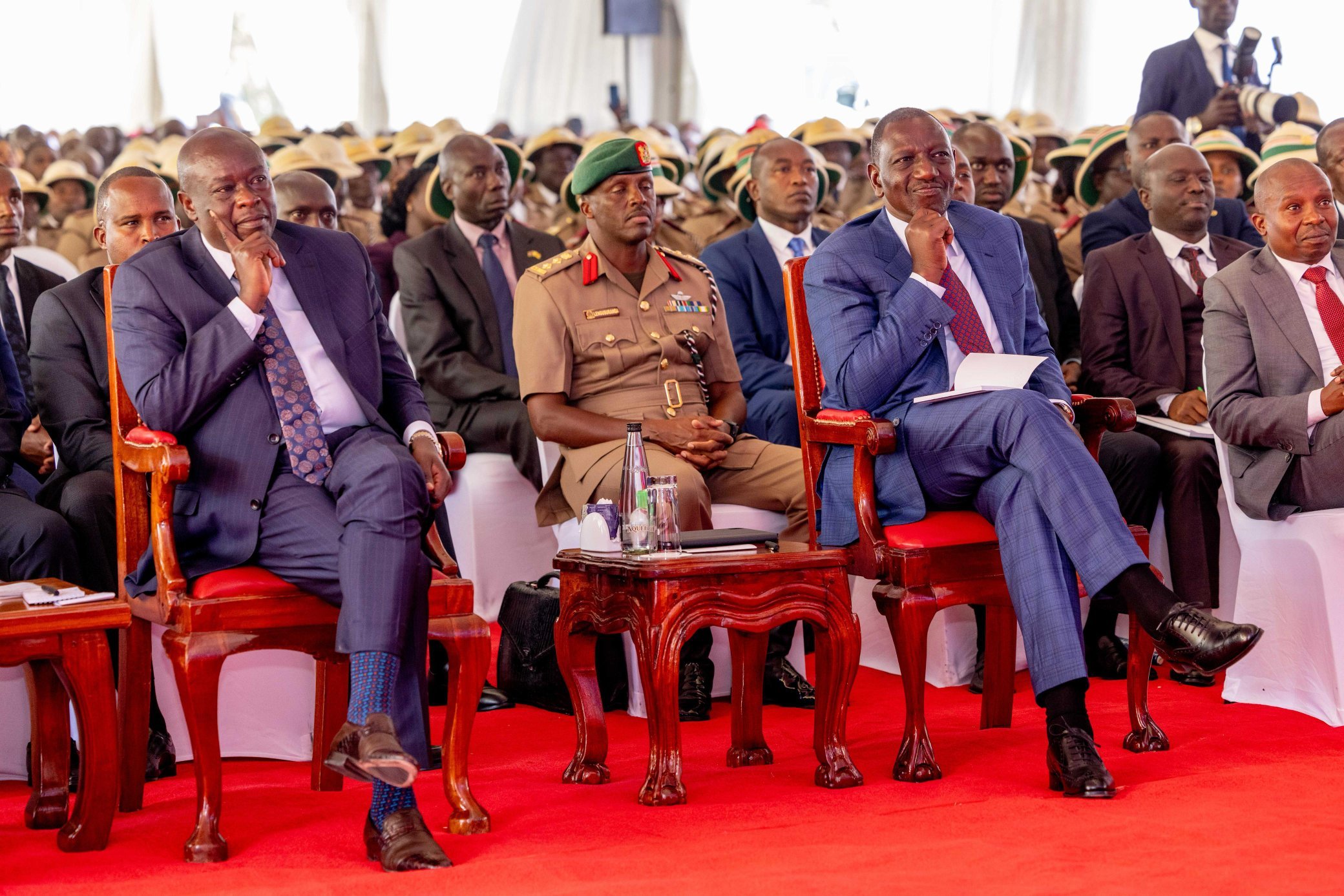

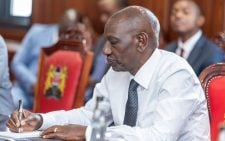
He argued that this has created a stark mismatch between shareholders and stakeholders.
IMF’s recent allocation
Ruto cited the IMF’s recent allocation of Special Drawing Rights as an example, explaining that 64 per cent went to wealthy nations with little need for liquidity support, while poorer countries received only 2.4 per cent.
He said this imbalance highlights how institutions created to safeguard global financial stability often end up perpetuating inequality and instability.
“The mismatch between shareholders and stakeholders has become starkly visible. For instance, during the IMF, the recent allocation of special doing rights, 64% went to wealthy nations. Just imagine 64% with little need for liquidity support. They didn’t need the money anyway, but they got 64% while the poorer countries received just 2.4% which a disconnect,” Ruto stated.
The plight of poor nations
Ruto stressed that the current global financial architecture punishes poor countries with high interest rates and harsh conditionalities, while rewarding rich nations with lower rates and softer terms.
He added that such priorities and allocation mechanisms consistently favour already prosperous states while trapping vulnerable economies in cycles of debt, high borrowing costs, and inadequate access to emergency support and concessional funding.

“Priorities and allocation mechanisms consistently favour those already prosperous, while trapping vulnerable economies in cycles of debt, high borrowing costs and inadequate access to emergency support and concessional funding, “ he added
The president emphasised that it is imperative to transform these institutions into genuinely independent, apolitical global bodies aligned with their original mandates.
He said such a shift would democratize decision-making, restore credibility, and enable the IMF and World Bank to serve all nations fairly.
Ruto has also slammed the United Nations for excluding African countries in key decision-making issues, especially in the security sector.
Author
Latest News




Advertisement
More on News