IEBC Report: What political parties must change before fielding candidates in 2027
By Ndiritu Wanjiru, July 9, 2026Political parties seeking to field candidates in Kenya’s 2027 General Election will be required to make significant changes to their nomination processes, with compliance with the constitutional two-thirds gender rule emerging as a key requirement.
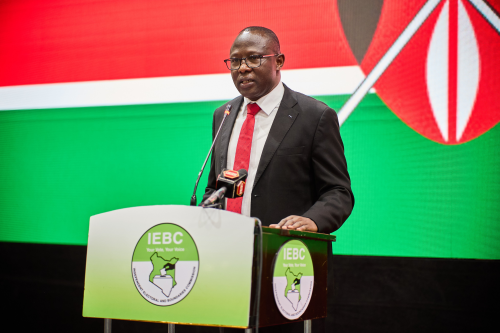
The recommendations are contained in the Independent Electoral and Boundaries Commission’s (IEBC) Pre-Election Dispute Resolution (Pre-EDR) Report, released on Thursday, July 9, 2026, following a review of disputes that characterised the 2022 election cycle.
“Based on electoral reform reports and proposals preparing for the 2027 General Election, the primary constitutional requirement that political parties must comply with before submitting candidate lists is the two-thirds gender principle. Specifically, political parties must adjust their internal nomination processes to ensure that the total names of party candidates submitted to the Independent Electoral and Boundaries Commission (IEBC) for parliamentary elections do not consist of more than two-thirds of the same gender,“ the report stated.
Gender rule takes centre stage
According to the report, parties will be expected to restructure their nomination systems to ensure that no more than two-thirds of their parliamentary candidates are of the same gender before submitting their lists to the IEBC.
The commission argues that compliance with the constitutional requirement at the nomination stage will reduce legal disputes and prevent last-minute changes to candidate lists.
Wider reforms proposed
Beyond the gender requirement, the report says legislative reviews spearheaded by the Office of the Registrar of Political Parties (ORPP) are pushing for broader reforms aimed at strengthening internal party governance ahead of the 2027 polls.
The proposed changes include improving the management of party membership registers and party lists to enhance transparency, establishing clearer coalition agreements and rules to prevent arbitrary party switching, and strengthening internal party democracy during nominations.

The IEBC says these reforms are intended to minimise disputes that often end up before political party tribunals and courts after party primaries.
The commission’s review of the 2022 nomination period found that weak internal party systems, disagreements over membership records, coalition arrangements and nomination procedures contributed significantly to pre-election disputes.
With preparations for the 2027 General Election underway, the report recommends that political parties implement the proposed reforms early to ensure credible nominations, reduce litigation and enhance confidence in Kenya’s electoral process.