Advertisement
How NCIC plans to use social media monitoring to curb hate speech ahead of 2027 polls
Wednesday 21st January, 2026 08:25 AM|

With roughly 15 months to the 2027 General Election, the country’s political temperature is rising fast, parties are mobilising, alliances are shifting, and campaigns are gearing up for a fiercely contested battle.
Campaign talk is beginning to spill into rallies, churches, community meetings, and increasingly, social media.
As this happens, the National Cohesion and Integration Commission (NCIC) is stepping in with a new plan: closely monitoring digital platforms to curb hate speech, ethnic incitement, and radical ideologies before they explode into real-world violence.
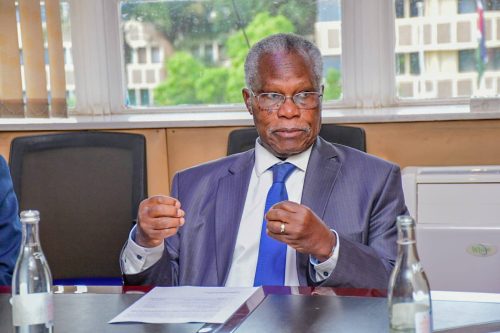
This comes amid growing concerns over the escalation of violent conflicts in different parts of the country, with the watchdog warning leaders against propagating chaos from their utterances.
You Might Also Like



While much of this unrest has been linked to the poor 2025 short rains, which intensified competition over scarce resources, the commission says politics is making an already bad situation worse.
For instance, NCIC on Tuesday, January 20, 2026, condemned statements attributed toNakuru West MP Samuel Arama, describing them as ethnic contempt likely to deepen divisions.
The commission warned that suggestions of discriminatory access to public resources violate constitutional values and may breach the National Cohesion and Integration Act.
The social media monitoring
The commission has rolled out new social media monitoring guidelines, marking a significant shift in how it plans to police online spaces.
For years, NCIC has struggled to successfully prosecute hate speech cases, not necessarily because the content did not exist, but because of weak evidence. In the fast-moving digital world, posts are deleted, accounts disappear, and screenshots often fail to meet the legal bar required in court.

“One of our biggest challenges in handling hate speech cases has been evidence. As the law stands, you cannot simply take a screenshot and present it in court. It does not work like that. There must be proper forensic evidence that meets the legal threshold for prosecution,” the commission said on X.
The new framework seeks to fix this problem. It outlines clear processes and legal limits for tracking online activity, while emphasising how to identify, preserve, and present admissible digital evidence.
In simple terms, NCIC wants to ensure that when someone is accused of hate speech online, the evidence collected can stand up in court. This includes preserving digital trails, verifying sources, and working closely with other agencies involved in cybercrime and digital forensics.

Tightening the noose
According to the commission, this move comes at a critical time. Social media platforms have become deeply woven into the country’s political life.
They are powerful tools for mobilisation and debate, but they are also increasingly used to spread ethnic contempt, misinformation, and inflammatory rhetoric.
In a politically charged environment, such content can quickly fuel fear, anger, and violence.

NCIC insists that the guidelines are not meant to silence Kenyans or clamp down on free speech. Instead, the goal is balance, protecting constitutional freedoms while shielding the public from speech that promotes hatred, discrimination, or violence.
The commission argues that free expression does not include the right to endanger national cohesion or human dignity.
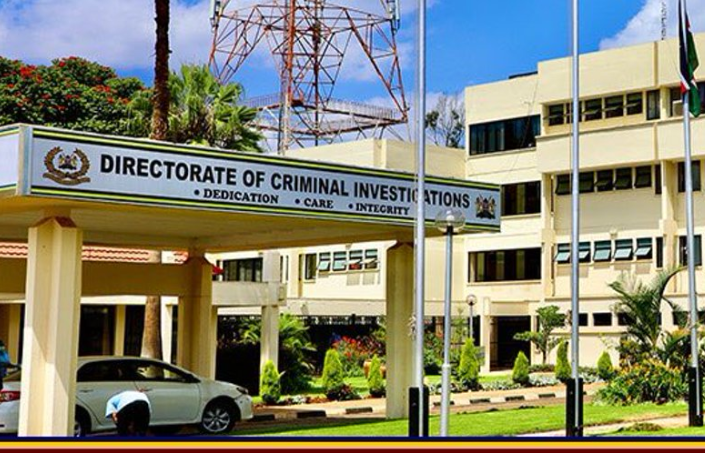
The urgency behind the guidelines is depicted by recent events. NCIC has already summoned several political leaders and social media users over hate speech-related accusations, while others are in court.
Author
Latest News







Advertisement
More on News