Advertisement
How I convert bamboo into elegant furniture pieces
Friday 25th March, 2022 09:19 AM|
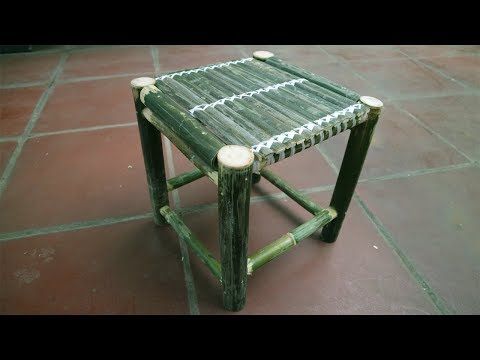
Why did you choose to use bamboo for your work and not other solid woods?
I realised there is a lot of potential in the bamboo sector. I have a lot of passion for bamboo too. The best thing about bamboo is that it is a woody grass and not a tree, it is tough, grows faster than other solid woods and has different cellular structure. This makes its products strong and unique. The raw materials are also readily available.
Where do you source your raw materials from?
I get the raw materials through the support of International Bamboo and Rattan Organisation (INBAR) an intergovernmental organisation registered with the United Nations that promotes the growing of bamboo and rattan for economic and environmental gains in partnership with Eco Green Kenya. We have also managed to sensitise the entire community at large here in Busia and other parts of Kenya on the importance of bamboo, and supporting them with seedlings to be planted for some years now, so we also get raw materials from our farmers.
What is the future of bamboo in the construction industry?
The future looks bright. Bamboo is going to be the perfect natural building material. This will be possible, because the green building standards of today are taking bamboo construction to the next level.
Bamboo as a building material is stronger than steel, more robust than concrete and more flexible than wood so most developers are willing to start incorporating it in projects. It’s also one of the most sustainable building materials available today.
The world bamboo market is also growing, because of the increasing demand for sustainable products in Europe and the United States. According to INBAR, the global bamboo economy is now valued at US$60 billion (Sh6.8 trillion) and is a potential income generator for rural communities. This is why they are committed to ensure bamboo complete value chain is in place.
What are some of the challenges you have faced along the way and how have you managed to deal with them?
The biggest challenge is the outdated belief that bamboo attracts dangerous wild animals, such as snakes. However, we continue to sensitize Kenyans on the importance of bamboo, and as they see and feel bamboo products the notion changes and response from the customers is positive as well.
Are there opportunities that are yet to be tapped on matters bamboo?
Bamboo has an impressive list of over 2,000 uses and we have barely scratched the surface. With depleting natural resources and changing policy scenarios, such as the ban on single-use plastic, bamboo is increasingly being looked upon as the most preferred alternative wood material. If the government supports our communities to venture into this sector, there will be bigger opportunities for job creation, which will lead to poverty reduction.
Why is it that despite the benefits the bamboo possesses, people are yet to embrace it?
The bamboo industry in the country is still at a nascent stage. Bamboo products are still new in the Kenyan market and many are yet to discover them.
However, slowly things are changing and people have started appreciating the benefits of the woody grass. But a lot more needs to be done to ensure people are aware of these products.
How can one care for bamboo furniture?
Bamboo furniture can be taken care of like any other wood furniture although before making any bamboo products, the material needs to go through chemical treatment to enable it last longer than even normal solid untreated woods. They can last more than 30 years, depending on the species of bamboo used, but not less than 15 years.
Author
Milliam.Murigi
View all posts by Milliam.MurigiLatest News








Advertisement