Advertisement
Havi says Ruto’s fallout with MPs affirm constitutional strength
Wednesday 27th August, 2025 10:05 AM|

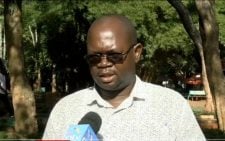
Former Law Society of Kenya (LSK) President Nelson Havi has described the apparent fallout between President William Ruto and some Members of Parliament as evidence that Kenya’s constitutional framework remains resilient despite attempts to circumvent it.
Speaking on a local media station on Wednesday, August 27, 2025, Havi suggested that Ruto’s complaints about MPs indicate that his previous relationships with legislators have become unsustainable.
“It has reached a point in time where things must fall apart, because the cost of managing this relationship has become too expensive for the president to continue with it,” Havi said.
“It tells you that the structure that was set up in the Constitution can sustain despite all deliberate efforts to go around it, to countermand it, to contravene it, to violate it. I think it’s a good debate,” he stated.
You Might Also Like


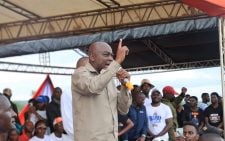
Havi acknowledged that while many MPs are hardworking and honest, some have been susceptible to influence from the executive.
“There are so many hard-working, honest members of Parliament. But there are also some. A lot. A lot who are susceptible. They are pliable. They are elastic. Those are the ones that have been dealing,” he explained.
Impeaching Ruto
Referencing Suba South MP Caroli Omondi, Havi called for legislators to directly confront Ruto over his recent assertions of MPs receiving bribes.
“How I wish that we could have 15 Caroli Omondis just to come out and say, Look, Mr. President, you are wrong. We have not received bribes. Tell us who is this that has been receiving bribes,” he said.
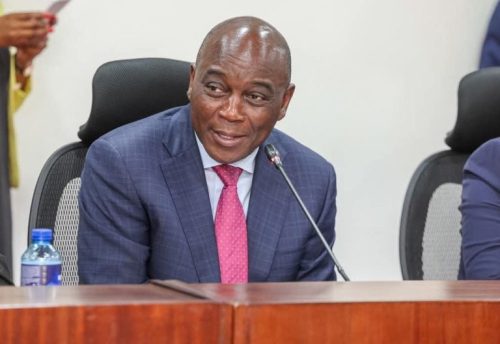
Havi argued that if the head of state cannot substantiate his claims, MPs should consider impeachment proceedings.
“And if you don’t tell us who is receiving bribes, you are committing a very serious offence under the laws of the Republic of Kenya and under the Constitution. And we’re going to impeach you. And it’s not a threat. We’re going to do it next day,” he stated.
Constitutional provisions
Drawing from historical precedent, Havi highlighted the powers of Parliament to hold even the highest offices accountable, citing past motions led by former lawmakers such as James Orengo to convey messages to the executive, regardless of the likelihood of success.
“James Orengo passed or moved several motions to say the president, the vice president. Of course, he knew he would not succeed. But the message was passed,” Havi noted.
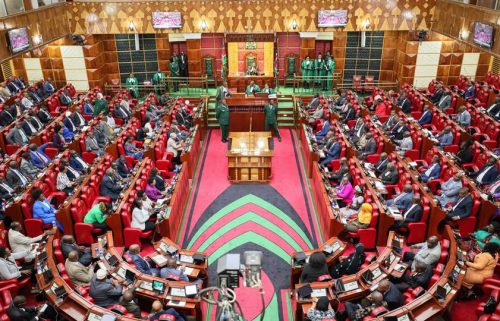
“At one point in time, he lamented, I mean, how come we don’t have a vice president for such a long period of time? Well, President Moi quickly appointed a vice president the following evening, isn’t it?” he said.
Havi emphasised the importance of testing constitutional provisions to ensure they remain functional.
“The only way to know whether a weapon is working is to fire it. You must fire it. So, Caroli, take 15 people, fire this weapon. See if it works,” he urged.
Author
Cy Muganda
View all posts by Cy MugandaLatest News






Advertisement
More on News