Advertisement
‘Nobody is more Kenyan than another’ – Governor Nassir backs Ruto’s move to scrap ID vetting
Sunday 09th February, 2025 05:38 PM|
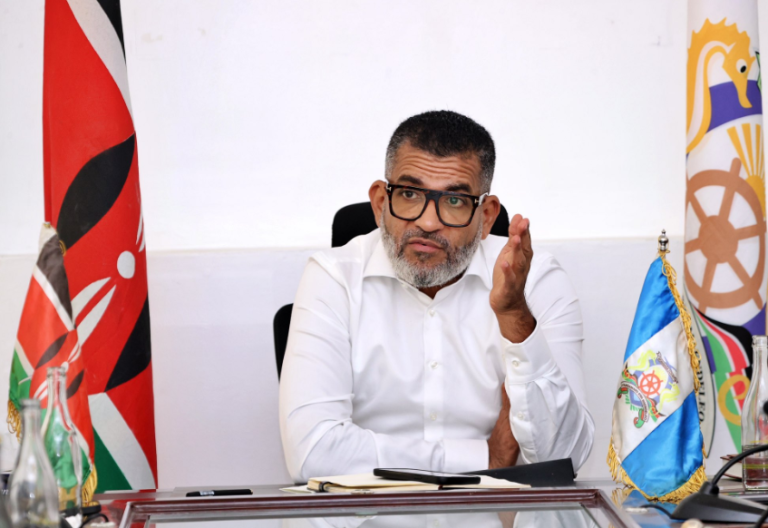
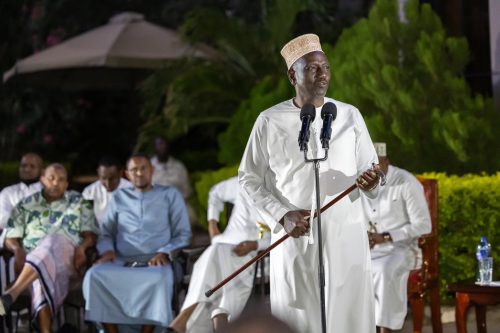
Mombasa County Governor Abdulswamad Nassir has backed President William Ruto’s recent executive order that abolishes the Identification Card (ID) vetting process for residents of the North Eastern region.
Speaking on Sunday, February 9, 2025, Nassir criticized leaders opposing the move, emphasizing that all Kenyans deserve equal treatment regardless of their background. He condemned the discriminatory practices that have historically made it difficult for certain communities to obtain identification documents.
“Unapata viongozi wengine sai wanaanza kulalamika juu jamii nyingine inakubaliwa kupewa ID kama Wakenya wengine. No one has the monopoly of being better than the other. Wapende wasipende, sisi ni Wakenya kama vile wao. Tunawatambua ni Wakenya na watatutambua kama Wakenya. Our numbers will count. How do you take pride in someone else’s misery?” Nassir said.
Loosely translated as;
“You find some leaders now starting to complain about another community being allowed to receive IDs like other Kenyans. No one has the monopoly of being better than the other. Whether they like it or not, we are Kenyans just like them. We recognize them as Kenyans, and they will recognize us as Kenyans. Our numbers will count. How do you take pride in someone else’s misery?”
The county boss highlighted the challenges faced by communities, particularly the Cushitic people, in accessing IDs due to rigorous vetting requirements. He noted that such procedures often force individuals to provide unnecessary documentation tracing back to their grandparents, which is both unreasonable and unfair.
“Hata mimi nina damu ya Cushites. Babu zetu ni watu walikuwa na ngamia, mama ako na mimba, anazaa, kwa sababu mvua inatoka sehemu ile, watu wanaenda sehemu nyingine. Sasa mtu kama uyo uanze kumwambia atoe birth certificate ya babu yake, ya mamake. You have all gone through that problem. Wapende wasipende, tutahesabika kama Wakenya wowote katika taifa hili la Kenya,” he added.
Loosely translated to;
“Even I have Cushite blood. Our ancestors were people who had camels. When a woman was pregnant and gave birth, because the rains would move from one place to another, people would migrate to different areas. Now, for someone like that, you start asking them to produce the birth certificate of their grandfather or their mother. You have all faced that problem. Whether they like it or not, we will be counted as Kenyans just like any other citizens of this nation of Kenya.”
No ID vetting
President Ruto, in his announcement of the new directive, emphasized the importance of equality and fairness in the registration and issuance of national IDs, particularly in border counties. According to President Ruto, the Proclamation aims to eliminate the discrimination that residents of Northern Kenya have faced for years.
“If it’s about vetting, let all children of Kenya be vetted equally without any discrimination. We want the people of Northern Kenya to feel equal to the rest of the country,” the President stated.
Speaking on Wednesday, February 5, 2025, at Orahey Grounds in Wajir Town, the Head of State highlighted that residents of North Eastern Kenya have long faced challenges such as extra-vetting and ethnic profiling when applying for birth certificates and national identity cards.
This came as part of President Ruto’s four-day development tour of North Eastern Kenya.
Opposition
Some ledears like Mumias East MP Peter Salasya and Trans Nzoia Governor George Natembeya have publicly opposed the move. Natembeya described it as a blunder which could allow Al-Shabaab to infiltrate different sectors.
“One day we are going to have an Al-Shabaab as the president’s escort. Before they make any decisions, think. That’s why even Trump, as we talk now, is deporting people. There was a time when I think it was Uhuru who tried to put a barrier between Kenya and Somalia. What was the reason? This policy decision is a disaster. I’ve got a particular issue with even the recent removal of vetting of people before they are given identity cards,” he said.
He pointed out that vetting helped separate civilians from criminals maintaining that Ruto’s decision was ill-advised.
Author
Ascah Mwango
View all posts by Ascah MwangoLatest News






Advertisement
More on News