Advertisement
Get immunised, give your system a fighting chance
Wednesday 04th May, 2022 11:00 AM|
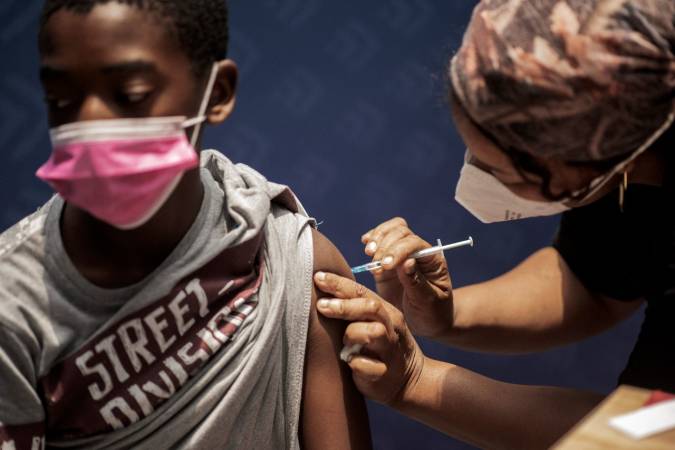
The world marked World Immunisation Week last week, which presents us the opportunity to remind ourselves of the lessons learnt from the Covid-19 pandemic.
The crisis could provide useful lessons for longer-term change to build greater resilience in the systems that support well-being over time.
When vaccination services are disrupted, even during emergencies, the risk of vaccine-preventable disease outbreaks increases. Without vaccines, outbreaks of the diseases may result in increased illness, worsen malnutrition and even deaths among children and further burden the health system already under pressure due to Covid.
Official data by WHO and UN International Children’s Emergency Fund (Unicef) shows a majority of countries experienced drops in childhood vaccination rates in 2020 due to global service disruptions caused by the pandemic. With many resources and personnel diverted to support the Covid response, there were significant disruptions to immunisation service provision in many parts of the world.
Without the relevant vaccinations, outbreaks of vaccine-preventable diseases may result in increased illness, deteriorating malnutrition and even deaths among children. This will, in turn, place a greater burden on the health system.
According to WHO director-general Tedros Ghebreyesus, it is more urgent than ever to invest in childhood vaccination to ensure every child is reached, as multiple disease outbreaks would be catastrophic for communities and health systems battling Covid.
Community Acquired Pneumonia (CAP) exerts a substantial burden on older adults, with incidence rates varying from about 200 to 7,000 cases for every 100,000 people in some countries. CAP is a serious disease that has a large impact on both the healthcare system and individuals and is by far more common in sub-Saharan Africa than in Europe or North America.
A rise in the aging population in Kenya is increasing the need for pneumococcal adult vaccination. The most common risk factors for acquiring CAP and invasive pneumococcal disease (IPD) included Diabetes mellitus, alcohol misuse disorders, chronic obstructive pulmonary disease (COPD), asthma, smoking, cancer, cerebrovascular disease, chronic kidney disease and HIV infection.
The comorbidities and risk factors are on the rise in the Kenyan adult population. Having two or more comorbid conditions drastically increases the incidence of pneumococcal CAP.
The incidence of pneumococcal pneumonia among adults is often underestimated as many affected people are treated outside of a hospital setting, and it is challenging to collect samples to identify the cause of the infection.
Even within the hospital, diagnosing what is causing the infection can still be difficult.
While children need immunisation, it is clear that adults need protection too, whether it is in the form of an annual flu vaccine or where they may be at risk of vaccine-preventable diseases as a result of their age, job, lifestyle, travel or health conditions.
And, let’s face it, adults with busy lives do not want to be laid low by an illness that could have been prevented as this could mean missed work, high medical bills and not being able to fulfil their day-to-day commitments.
Immunisation against infectious diseases, prevents deaths every year in all age groups from diseases like diphtheria, tetanus, pertussis (whooping cough), influenza and measles. It is one of the most successful and cost-effective public health interventions.
Vaccines work with your body’s natural defenses to help you safely develop immunity to disease. This lowers your chances of getting certain diseases and suffering from their complications.
You have a busy life and too much responsibility as an adult to risk getting sick. Vaccines can help you stay healthy so you don’t miss work. If you can avoid getting sick, you will have more time for your family, friends and hobbies.
Adults need to keep their vaccinations up to date because immunity from childhood vaccines can wear off over time. You are also at risk for different diseases as an adult. Remember, vaccines are used to boost your immune system and prevent serious, life-threatening diseases.
Even though getting the necessary vaccines during the pandemic may seem challenging at times, getting recommended vaccines can give you some peace of mind.
You will have protection available against a number of serious diseases.
Give your immune system a fighting chance.
— The writer is Pfizer Kenya Country Manager and East Africa Cluster Lead
Author
PD columnist
View all posts by PD columnistLatest News







Advertisement
More on News