Gakuya openly differs with Ruto over new procurement rule
By Kiprono Keileb, September 2, 2025Embakasi North Member of Parliament James Gakuya has faulted President William Ruto’s approach to the rollout of the e-procurement system, warning that the initiative risks failing if it is imposed on Kenyans without consultation.
Speaking on Tuesday, August 2, 2025, during a political talk show aired by a local television station, Gakuya called out the president for sidelining due process and public participation in the push for digital procurement reforms.
“President Ruto is wrong to force the e-procurement system down people’s throats without following due process and public participation,” he said.
The legislator noted that successful implementation requires wider dialogue, particularly with those who will be directly involved in using the system.
“He should consider the element of signals if he wants this system to be effective and should consult with service providers,” Gakuya added.

Ruto’s digital reform push
Over the weekend, President Ruto reaffirmed his commitment to digitising government procurement, emphasising that the shift is crucial to curbing corruption and closing loopholes in the tendering process. The Head of State insisted that e-procurement would enhance transparency and efficiency by reducing human interference in the awarding of contracts.
Ruto’s remarks were part of his broader plan to digitise government services, including revenue collection and public records, to limit opportunities for graft and ensure accountability. However, his critics argue that the process has been rushed and does not factor in the readiness of both institutions and service providers.
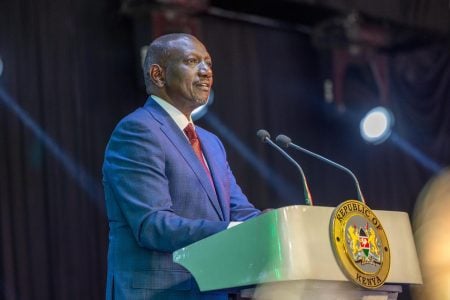
Gakuya’s remarks underscore growing unease among leaders who argue that the e-procurement agenda should not be rushed. He cautioned that rolling out the system without sufficient stakeholder engagement could backfire, creating new loopholes instead of sealing existing ones.
His warning comes at a time when questions are being raised about the preparedness of counties and ministries to integrate their systems with a centralised e-procurement platform. Concerns include a lack of infrastructure, inadequate training, and poor connectivity in some regions.
Supporters of the President argue that resistance to the system is being fueled by those who benefit from opaque procurement deals. Still, Gakuya maintained that consultation and public participation remain constitutional requirements that cannot be ignored.
As the debate continues, it remains clear that the success of e-procurement will depend not only on political will but also on how inclusive and consultative the rollout process becomes.