TIFA: Increasing fuel VAT is worst provision of Ruto’s budget
By Joel Sang, July 4, 2023An increase in Value Added Tax (VAT) on fuel is the worst provision in President William Ruto’s first budget, a survey conducted by Trends and Insights Africa Research (TIFA) shows.
Raising VAT on petroleum products is one of the measures the government has undertaken in order to raise revenues through taxation.
The research outcome has been revealed following a recent survey conducted between June 23 and June 30 this year.
Worst move
However, 24% of Kenyans interviewed pointed out that such a measure to increase the fuel VAT is the worst move by the Kenya Kwanza administration. Another 10% feel that Ruto has scored poorly following increased taxation on basic foods, and another 10% claim the housing levy is a negative score for the current government.
The Finance Bill 2023, which proposed the addition of taxation on fuel products, was passed by the Kenya Kwanza-allied Members of Parliament.
Members allied to the opposition attempted to block the passage of the bill without the amendments, but the National Assembly Speaker, Moses Wetangula, blocked all those attempts.
Specifically, Wetangula blocked changes to Clause 28, which increased VAT on petroleum products. The former Bungoma Senator ruled that any changes to a Money Bill that imposes taxes can only go on after taking into account the views of the Cabinet Secretary responsible for finance in line with Article 114 of the Constitution.
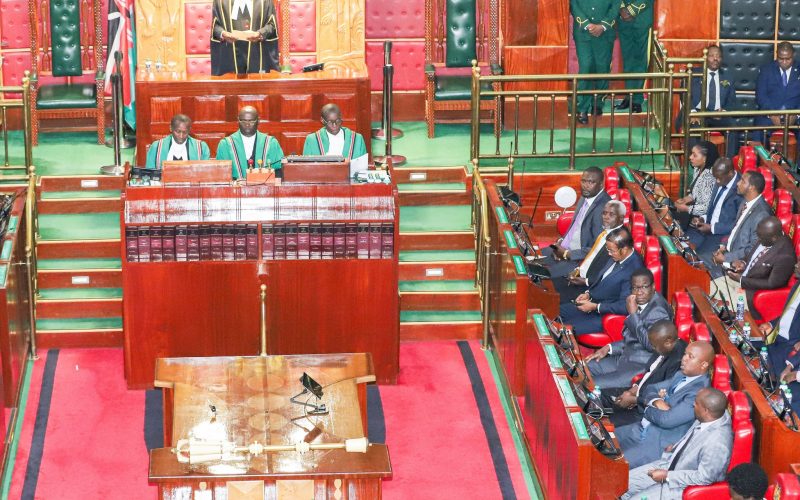
Wetangula’s ruling effectively put an end to the changes to the bill, and thereafter, the government-allied MPs ended up using their numerical strength in the House to pass the controversial bill.
One of the fiercest supporters of the bill is Kikuyu MP and Majority Leader Kimani Ichungwah, who dismissed attempted changes and said Ruto’s government has cushioned the common Mwananchi by reducing the Import Declaration Fee from 3.5 to 2.5% of the customs value of imported goods and the Railway Development Levy from 2.5 to 1.5%.
Increased taxation
The Finance Bill was designed to increase taxation from 8 to 16% on petroleum products, and this, according to those who backed it, is aimed at helping the government raise funds for Ruto’s Ksh3.6 trillion budget.
The opposition to the bill did not only manifest itself on the floor of the house; there was also opposition from other quarters. Top audit firms PwC and KPMG argued that the bill would have adverse effects on the economy.
“We expect to have a significant adverse effect on the cost of living, taking into consideration Kenya’s dependency on fossil fuels and the already high global oil prices,” PwC said.
“This proposal is likely to impact the prices of transport and production of goods, increasing inflationary pressure in the economy,” KPMG argued.
Suspension
After the passage of the controversial bill, its implementation was suspended by a court order. The suspension came after a court application was filed by Peter Agoro, who claimed the Finance Bill was illegal because it goes against the constitution.

The suspension order, by Justice Mugure Thande, was given on June 30 this year. Thande’s suspension order was the second on the Finance Bill after the judge, who had also granted the same following an application by Busia Senator Okiya Omtatah.
Omtatah said the bill is illegal because the Senate was not involved in its debate and eventual passage. The two applications are set to be mentioned on Wednesday, July 5.
Despite the court order, the Energy and Petroleum Regulatory Authority (EPRA) announced an increase in the price of petroleum products.