Advertisement
Forex trading vs. stock trading: Understanding the key differences
Wednesday 13th April, 2022 12:26 AM|
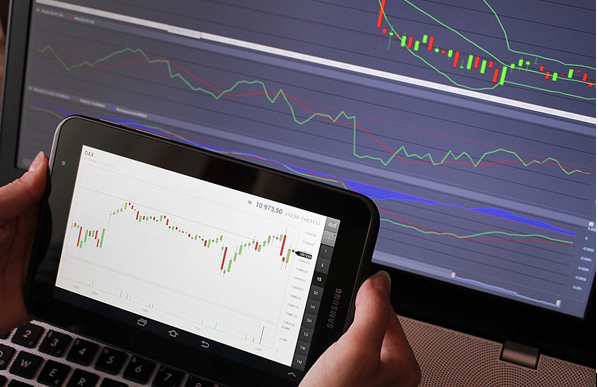
Forex trading and stock trading are two popular investment avenues that attract people from all walks of life. Both have their unique features and benefits, but they also differ significantly in many ways. In this post, we’ll explore the key differences between forex trading and stock trading, helping you understand which option might be best suited to your investment needs.
Trading hours
One of the most significant differences between forex trading and stock trading is the trading hours. Stock markets operate on a fixed schedule and are usually open during regular business hours, from 9:30 AM to 4:00 PM EST. In contrast, forex trading is a 24-hour market, and you can trade currencies around the clock from Sunday night through to Friday afternoon. If you use a platform like MT4, you can access it anywhere, at any time, so get started with an MT4 download.
Market size
Another significant difference between forex trading and stock trading is the size of the market. Compared to the stock market, the forex market is the largest financial market in the world, with daily trading volume exceeding $6 trillion.
Volatility
Forex trading is generally considered to be more volatile than stock trading. Currencies can fluctuate wildly in response to news events and economic data releases, and it’s not uncommon for a currency pair to move several hundred pips in a single day. In contrast, stock prices tend to be more stable, with less frequent and less significant price swings.
Leverage
Leverage refers to the ability to trade with borrowed funds. Both forex and stock trading offer leverage, but the levels of leverage available differ significantly. In forex trading, it’s not uncommon to find brokers offering leverage of 100:1 or even 500:1. This means that you can control a large portion with a relatively small amount of capital. On the other hand, the level of leverage available in stock trading tends to be much lower.
Trading costs
The costs of trading differ significantly between forex and stock trading. In forex trading, the spread is the primary cost, which is the difference between the bid and ask price of a currency pair. The spread can vary between brokers and currency pairs. Stock trading, in contrast, involves commissions, which can add up quickly – especially when trading frequently.
Market access
Forex trading is accessible to anybody with an internet connection and a computer or mobile device. There are no minimum capital requirements, and you can start trading with as little as a few hundred dollars. However, stock trading is very different, with a significant amount of capital necessary to get started, with minimum balance requirements to open an account with a broker.
Market correlations
Forex trading and stock trading are also correlated in various ways. In general, currencies tend to be positively correlated with commodities, and negatively correlated with equities. This means that if you are trading forex and commodities, you may be able to reduce your risk and benefit from diversification. On the other hand, stock prices are usually positively correlated with economic growth and can be affected by a range of factors including interest rates, earnings reports, and geopolitical events.
While forex trading and stock trading are both viable investment options, they differ significantly in many ways. By understanding the key differences between the two, you can make an informed decision regarding the best investment avenue for you.
Author
Story Agencies
View all posts by Story AgenciesLatest News








Advertisement
More on News