Advertisement
Education expert Davies Okombo casts doubt on Ruto’s free university funding plan
Tuesday 28th July, 2026 01:31 PM|
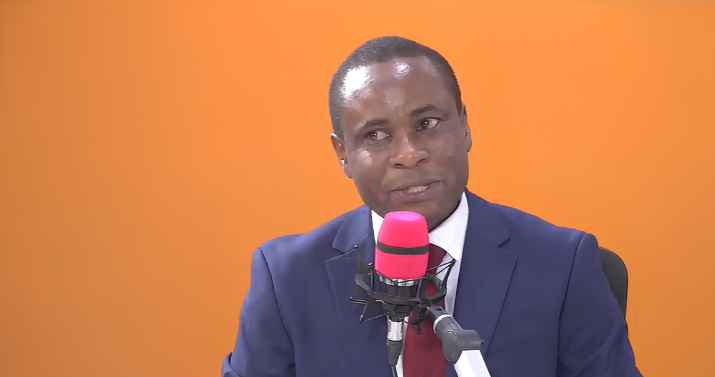
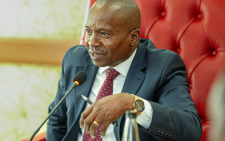
Education expert Davies Okombo has questioned President William Ruto’s promise to fully fund all students admitted to universities and colleges.
Okombo told a local radio station on Tuesday, July 28, 2026, that the proposal was more political than strategic.
He said the government had not presented a clear financial plan to support universal higher education.
He acknowledged that the July 21 announcement could expand access to education for qualified students at universities and in Technical and Vocational Education and Training.
Education expert questions Ruto
You Might Also Like
However, he argued that the 2026/27 Budget does not provide enough money to implement the promise.
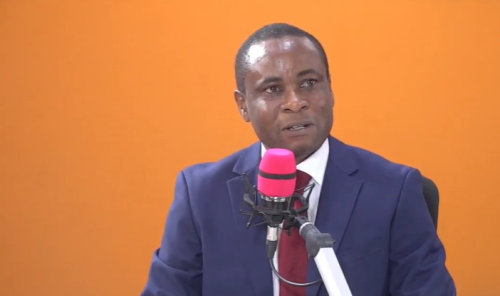
“The statement, in my view, was more political than a strategic plan to advance universal university education in Kenya,” Okombo said.
He accused the government of making promises aimed at attracting voters before the 2027 General Election.
Okombo said the education sector received 28 per cent of the national budget. However, he argued that the allocation represents only 3.8 per cent of Kenya’s gross domestic product.
He compared the figure with 2005, when he said education spending reached 7.5 per cent of GDP.
“This clearly shows that Kenya’s education sector is heavily underfunded,” he said.
Okombo estimated that the government would require about Ksh133 billion to provide universal university and college education.
He said the government must explain where the additional funding will come from. It must also clarify whether support will be provided through scholarships or repayable student loans.
Ruto’s promise on education funding
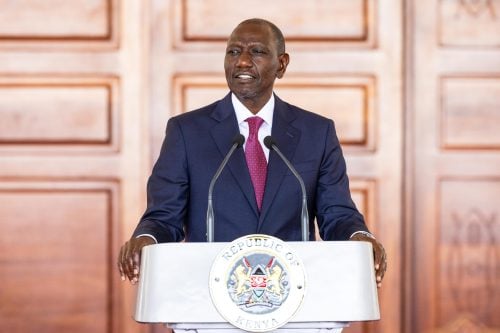
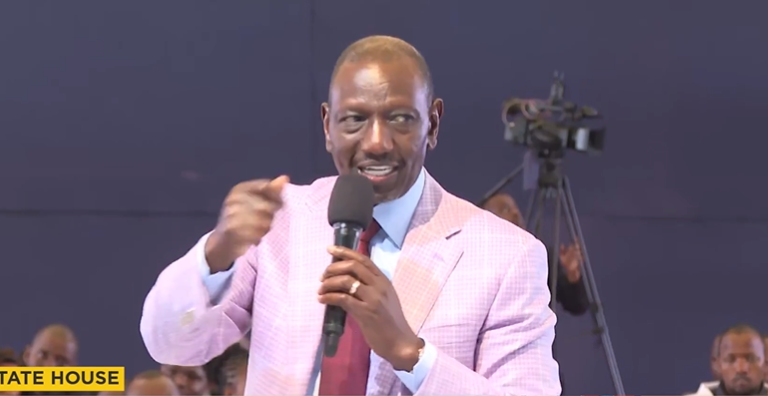
“Going forward, any student, so long as they have passed their examinations and they have been placed in a college or university,” Ruto said.
The President added that every qualifying student would receive full government funding. Parents would only contribute if they chose to do so.
The proposed system is expected to begin in September 2026. Its implementation will depend on Parliament approving amendments to the Higher Education Loans Board Act.
The plan would replace the current model, which divides support between government scholarships, HELB loans and household contributions based on assessed financial need.
Okombo said expanding higher education access was necessary.
However, he maintained that the government must first provide a realistic budget and implementation framework.
Author
Latest News




Advertisement
More on News