Advertisement
Drought situation in Kenya to persist, experts caution
Monday 29th August, 2022 05:40 AM|

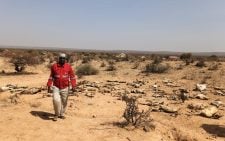
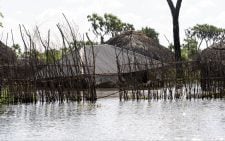
The drought situation ravaging parts of Kenya is bound to worsen, dimming expectations of recovery for the region that has experienced famine for over three years, experts have warned.
Speaking in Mombasa, climate scientists under the auspices of the Greater Horn of Africa Climate Outlook Forum regretted that the country would record lower levels of rainfall during the months of October, November and December.
The scientists, basing their findings on outputs from eight Global Climate Centres, say the situation will be devastating for the millions of people who are already living through the longest drought.
Kenya Meteorological Department deputy director in charge of Climate Services, Dr David Gikungu, asked farmers to plant drought-resistant crops that will survive the drought situation.
You Might Also Like
“We have never experienced a worst La Nina situation like this one we are about to witness, this will be the worst for the past 50 years,” said Dr Gikunda who had attended the just-concluded conference in Mombasa.
Speaking on the sidelines of the 62nd IGAD Forum in Mombasa, IGAD Climate Predictions and Applications Center (ICPAC) director Guleid Artan warned that drought conditions in Kenya, Sudan Uganda, Somalia and Ethiopia would continue.
In Kenya, the forum announced that about four million people are already affected by the drought according to the latest figures, mostly in the northern regions that are marginalised.
“Climate forecast for the October to December rainy season 2022, indicates that the greater Horn of Africa is bracing for a fifth consecutive failed season. The drought is expected in regions of Ethiopia, Kenya and Somalia,” said Guleid.
Longest drought
Guleid said the prospect of a fifth consecutive failed rainy season will be devastating for the millions of people who are already living through the longest drought in 40 years.
“We have around 40 million people who are in need of humanitarian aid in the region, already without adding those who will be affected in the few months to come, we need to act first to avert loss of lives,” said Guleid.
According to IGAD, programme manager for disaster risk unit Dr Ahmed Amdihun, asked respective governments to increase their support and employ mitigation measures to climate change.
“We shouldn’t wait for people to die to act, we need to act immediately, the mitigation measures have not been enough, we need to skill much more, “said Amdihum.
The official said that since climate extremes emerged, in northern Africa over 7 million have perished, calling on development partners to chip in and provide funding for the situation.
“Malnutrition is affecting children below five years who are paying the price for the situation, so we ask governments to take the prime responsibilities by acting early to mitigate the situations,” he added.
Eunice Koech, a climate scientist from IGAD Climate Predictions and Applications Center (ICPAC) said Kenya should brace for a La Nina season in the last quarter of the year.
La Nina refers to the periodic cooling of ocean surface temperatures in the central and east-central equatorial Pacific. Typically, La Nina events occur every 3 to 5 years or so, but on occasion can occur over successive years.
“La Nina has a direct impact on the rains of our region, and therefore has an impact on our seasons, the cumulative impact is that it will extend and unreliable rains will continue to be experienced,” said Koech.
The region is also expected to be generally warmer than average as high temperatures are predicted across GHA.
The scientists were drawn from Djibouti, Kenya, Uganda, Ethiopia, Eritrea, Tanzania, Rwanda, Burundi, South Sudan and Sudan among other countries.
Author
Harrison.Kivisu
View all posts by Harrison.KivisuLatest News






Advertisement
More on News